

Ever caught your window glowing with the flutter of feathered friends, but wondered why the birds vanish when the sun dips? That’s the classic window‑mounted bird feeder dilemma. The good news? You don’t have to let your porch or living room go dark for nature’s daily show. I’ve spent countless evenings watching sparrows hop from frame to frame, and the trick is simple: blend a little light, a pinch of patience, and a touch of clever design.
The first thing to consider is placement. A window‑mounted feeder should sit about two feet from the glass and level with the birds’ eye‑line. If you’re a first‑time online shopper, the easiest route is a ready‑made PVC feeder that slides straight onto most frames. If you’re looking for a sturdy, stylish option, check out our PVC bird feeder – it’s built to last and fits right on a window frame.
But placement alone won’t keep the birds coming in the evenings. Birds are sensitive to light cues; a sudden flare from a streetlamp or your own porch light can scare them away. The trick is low‑intensity, warm‑tone illumination. A simple battery‑powered LED strip or a small solar lantern positioned just outside the window can create a soft halo that invites birds without dazzling them.
Here’s a quick checklist you can follow:
- Choose a feeder that’s at least 6 inches wide to give birds room to land.
- Mount it so the feed opening faces the sky, not directly into the window.
- Use a clear or frosted glass pane to reduce glare.
- Install a low‑power LED light on the exterior side, angled toward the feeder.
- Keep the feeder clean and refill with seed each morning.
Still feeling unsure about lighting? For a cozy twilight watch, you might also want to add some ambient lighting. A professional touch from LED Artistry can illuminate your setup without disturbing the birds, turning your window into a birdwatching hotspot 24/7. And remember—every window frame is a potential gallery; all it takes is a little tweak to open it up to the world outside.
TL;DR
Discover how a window‑mounted bird feeder can turn your living room into a nightly nature show—no extra wiring, just a few smart tweaks that keep the feathered guests coming. With low‑intensity lighting, a wide feeding opening, and daily seed refills, even first‑time online shoppers can enjoy a steady stream of sparrows without losing sleep at night.
Step 1: Selecting the Ideal Window Placement
Let’s cut to the chase: if you want your window‑mounted bird feeder to be a nightly show, the first thing you gotta nail is where you put it. Think of your window like a stage—birds want the right spotlight, the right angle, and a spot that feels safe.
Why Placement Matters
Birds are visual creatures. They’ll only flock to a feeder if they can spot it, feel confident landing, and not worry about traffic, pets, or bright lights that glare off the glass. A mis‑placed feeder is like a bad set‑up: the whole performance collapses.
Here’s the low‑down on positioning, broken into bite‑size steps you can follow tonight:
- Distance from glass: Aim for 12–18 inches. Too close and birds might think you’re a mirror; too far and you lose the “window‑view” vibe.
- Height: Keep the feeder’s mouth level with the middle of the bird’s eye line—usually about 6–8 inches above the bottom of the frame. This is the sweet spot for most sparrows and finches.
- Orientation: Face the opening toward the sky, not straight into the glass. That way birds can see the horizon and feel more at ease.
- Glare control: If your window has a reflective tint, consider a frosted film or a small shade on the inside. A clear pane is fine if you’re adding subtle lighting.
- Accessibility: Position the feeder so you can reach it easily for refills and cleaning—no more than a single step away from the door.
- Pet safety: If you’ve got a curious cat or dog, set the feeder out of reach or add a guard rail. Cats love perching, and you don’t want them turning your bird‑watching into a snack hunt.
Once you’ve nailed the placement, think about lighting—yes, even after dark, you can keep the birds coming. A subtle glow not only invites them but also keeps the feeder safe from night‑time predators. LED Artistry offers professional outdoor lighting that’s gentle enough for feathered friends but bright enough for you to enjoy a twilight window show.
Watching that demo video, you’ll see how a simple battery‑powered LED strip can wrap around a window frame. The key is to keep the light low‑intensity—think sunset tones, not a spotlight. That way, the birds feel comfortable, and you get to watch them without the glare that would ruin your evening coffee.
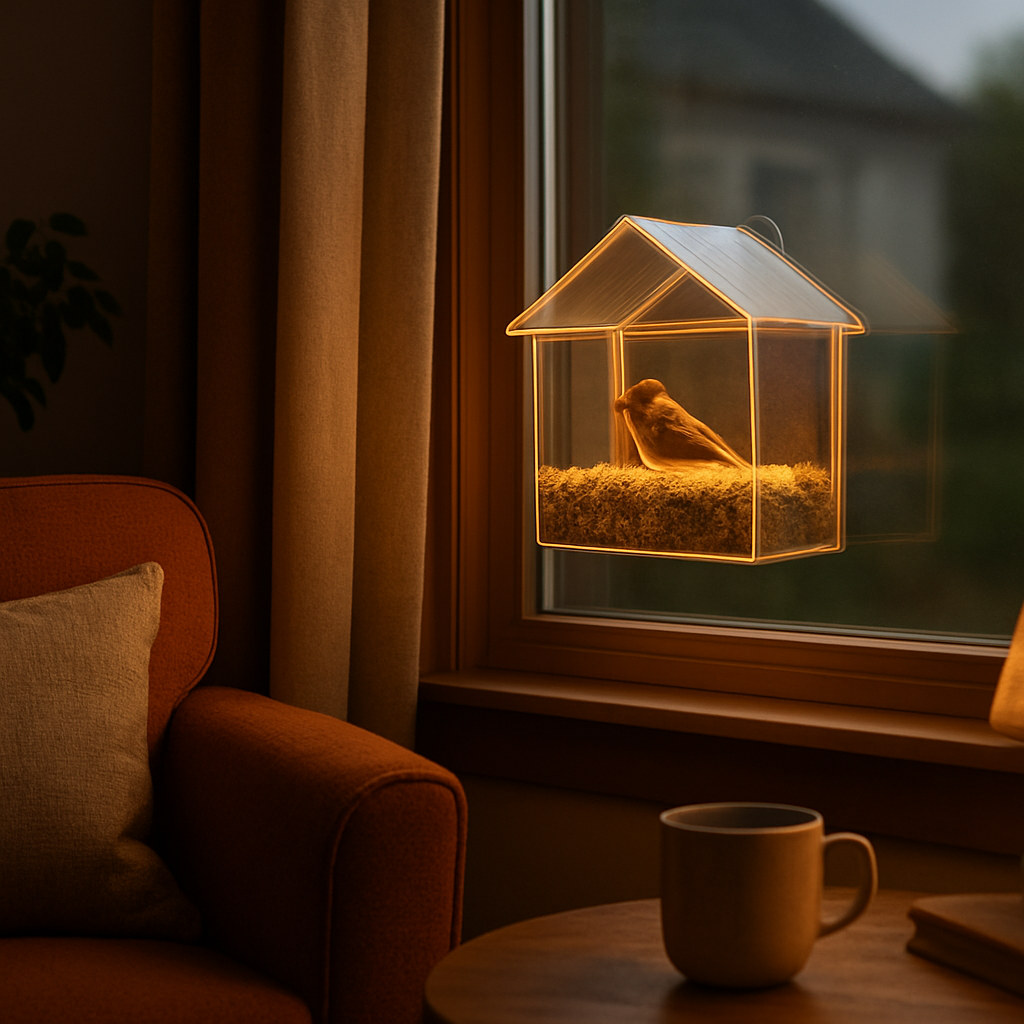
Now that you’ve got the setup, you might wonder about décor. A window‑mounted bird feeder isn’t just a feeding station—it’s a statement piece. Pair it with nature‑themed art prints or botanical wallpaper to amplify the vibe. Check out wildlife art prints that match the color palette of your feeder for a cohesive look.
Last but not least, if you’re looking for the feeder itself, the PVC bird feeder is a solid, budget‑friendly choice that fits most frames. Its wide opening lets birds land comfortably, and the PVC material is durable enough for both indoor and outdoor use. Plus, it comes with a clear guide for quick assembly.
So, are you ready to transform your window into a bird‑watching stage? With the right placement, a touch of gentle lighting, and a dash of nature décor, your feathered friends will be humming a tune while you sip your tea. Happy feeding!
Step 2: Choosing the Best Feeder Design for Your Birds
Picking the right feeder is like picking the right seat for a dinner party—you want comfort, visibility, and a dash of style. Below are five key categories to help you decide which window‑mounted feeder will make your feathered friends feel at home.
1. Feed Tray Size and Shape
Think about the birds that’ll visit. Tiny chickadees need a shallow, wide tray, while larger cardinals love deeper, more generous bowls. A 6‑inch wide tray is a sweet spot for most sparrows and finches.
For families that want to attract a mix of species, look for a feeder with a removable tray so you can swap in a larger one when the cardinals show up.
2. Material Matters
Clear acrylic gives you a crystal‑clear window to the action, but it can fog in humid climates. PVC is sturdier and less prone to cracking, yet still lets light in. If you’re on a budget, a good PVC feeder offers durability without the high price tag.
When you’re ready to upgrade, check out this How to Stop a Cat from Scratching Furniture: A Practical Step‑by‑Step Guide. It’s a handy reminder that a feeder’s placement matters to keep curious cats at bay.
3. Perch Placement and Design
A built‑in perch keeps birds safe from the wind and gives you a close‑up view. The perch should be about 12‑18 inches high from the tray and angled slightly toward the window so the bird can land easily.
Some feeders come with a mini‑roof that shelters birds from rain. That’s a bonus in the rainy season and a nice visual touch.
4. Easy‑to‑Clean Features
Bird droppings can turn your glass into a sticky mess. Feeder models with a sliding tray or a detachable cup make cleaning a breeze. Aim for a tray that you can lift off and rinse in a sink.
Cleaning once a week keeps the feeder inviting and the seed dry. A quick swipe with a damp cloth will keep the glass crystal clear for those late‑night visits.
5. Weather‑proof and Squirrel‑proof Options
Most window feeders are designed for indoor use, but if you live in a humid area, look for a model with a sealed base or a built‑in drainage system. That keeps seeds dry and prevents mold.
To keep pesky squirrels out, choose a feeder with a baffle or a higher mounting position. Some feeders have a “squirrel stop” feature built right in, which is perfect for apartment dwellers.
Ready to power up your feeder’s tech side? Plug in a smart timer or a wireless camera to track visitor patterns without stepping on the glass. You can find useful gadgets at Plug & Carry—they specialize in home gadgets that keep your windowsafe and your feeder running smoothly.
Last but not least, let your own curiosity guide the choice. A feeder that fits your space, your budget, and the bird species you love will make the nightly show feel like a personal concert. Once you’ve got it set, grab a notebook and start noting the visitors—your window‑mounted feeder will soon become the highlight of your evenings.
For more insight on how window feeders perform in real life, Birding Depot highlights the benefits of staying close to your birdwatching spot. Check out their guide at Birding Depot for tips on maximizing your view and keeping birds comfortable.
Step 3: Installing the Feeder Securely and Safely
Ready to turn that idea into action? Installing a window‑mounted bird feeder feels a bit like setting up a tiny stage for feathered actors. The key is a firm grip on the glass and a safety net for the birds.
Choose a sturdy bracket
First thing you ask yourself: “What’s going to hold everything in place?” Most folks gravitate toward suction‑cup brackets that snap onto the frame. The Roamwild bracket, for example, uses dual suction cups that stay glued even in a breeze. It’s rated for 2.5 kg, enough for most feeders, and the design keeps the glass view intact.
Mark the mounting spot
Take a piece of masking tape and press it to the window. Slide the bracket over the tape, then pull back. The bracket should sit about 18–24 inches from the glass—close enough that the bird can spot you, but far enough that you can reach it without stretching.
Test the suction before you load it
Give the bracket a gentle tug. If it wobbles, wipe the glass with a damp cloth and reapply the suction cups. Clean glass means stronger suction. A quick test will save you a frantic afternoon of re‑mounting.
Secure the feeder itself
Most window feeders come with a small mounting plate or a set of hooks. Attach the feeder to the bracket first, then slide the feeder into the window frame. If the feeder has a built‑in spring‑loaded clip, snap it into place. For feeders that just hang, use a lightweight zip tie to fasten the tray to the bracket—just enough to hold the weight but not so tight that it crushes the seed.
Check for wind and weather
In windy corners of the house, a small gust can shift the feeder. Add a secondary safety by placing a rubber band around the bracket’s edge and the window frame. This adds a little friction and keeps the bracket from sliding sideways.
Keep it clean and dry
Once installed, the feeder’s surface is a magnet for bird droppings and rainwater. Clean it every two weeks with a mild soap solution and a soft cloth. If you notice any moisture pooling, add a small towel under the tray to absorb the water.
Set a routine for refilling
Birds love routine. Fill the feeder at the same time each day, ideally in the morning when the birds are most active. A light mist of water on the tray before refilling can keep the seed from clumping in hot weather.
What if the feeder keeps tipping?
Sometimes the design of the feeder itself can cause instability. Look for models with a wider base or a built‑in perch that lowers the center of gravity. If the feeder has a plastic or metal tray, consider swapping to a heavier glass dish—just remember to adjust your mounting plate to accommodate the extra weight.
Final safety check
Before you settle back into your living room, give the whole setup a once‑over. Make sure the bracket isn’t loose, the feeder isn’t dangling, and nothing is pointing directly at the glass that could cause glare. If all feels solid, you’re good to go.
Now sit back, maybe sip a coffee, and watch the evening show begin. Birds will come, stay, and you’ll have the peace of mind that your window‑mounted bird feeder is safe, secure, and ready to welcome its tiny audience.
For a visual walkthrough of the mounting process, check out this handy video guide.
YouTube video guideStep 4: Choosing the Right Food & Maintenance Tips
When it comes to a window‑mounted bird feeder, the food you offer is the first invitation the birds read. A little mix‑up can keep the crowd diverse, and a steady upkeep routine means the feeder stays a favorite instead of a trash bin.
First, think about the species you want. If you’re hoping for sparrows, chickadees, or small finches, a 1‑to‑2‑inch seed mix with millet, cracked corn, and nyjer is a hit. For cardinals or blue jays, add a handful of sunflower seeds or safflower. The trick is to keep the mix bright and fresh—replace it every week if it smells off.
Hummingbirds are a whole different ballgame. They crave a 2‑part sugar solution (one part white sugar to two parts water) that you can pour into a clean, shallow dish or a hummingbird‑specific feeder. Keep the nectar fresh by changing it daily; old nectar attracts mold and can make the birds sick.
Water is the silent star. A small dish or even a shallow tray can make a big difference in hot or dry seasons. Change it at least twice a week to prevent algae and keep the birds hydrated.
Cleaning is the unsung hero of bird feeding. Use a mild soap and warm water to wipe down the feeder once a week, scrubbing away any residue that could attract pests. A quick rinse before refilling each morning also keeps the seed dry and the feeder safe.
Containers matter. A removable or sliding tray is a lifesaver because you can lift it out, clean the bottom, and refill without spilling. If your feeder has a built‑in perch, make sure it’s about 12‑18 inches above the tray so birds can land safely.
Keep an eye on which species keep coming back. A quick journal or a simple note on your phone helps you spot trends—maybe robins love a particular seed, or cardinals prefer the higher perch. Adjust your mix or location based on that data.
Weather changes can trip up even the best‑planned schedule. In winter, a heavier seed bag or a glass feeder that resists cracking can keep the birds fed through the cold. In summer, add a small shade cloth or move the feeder slightly away from direct sun to keep the seed from overheating.
Natural cover is a subtle but powerful pull. Hang the feeder near a window that opens to a tree or shrub; the birds will feel safer and more likely to linger. If you’re in an apartment, a balcony plant or a nearby fence can serve the same purpose.
Budget‑friendly doesn’t mean compromising. A simple PVC feeder from Nina‑Bazaar can hold a full ½‑lb seed bag and is easy to clean. Pair it with a glass dish you already own, and you’ll have a fully functional station for under $30.
Our favorite tip? Rotate your seed bag every few days if you’re seeing a drop in visits. Fresh, clean seed is a magnet. Don’t forget to add a little extra water in the middle of a heatwave—birds will thank you.
Now that you’ve got the food and maintenance playbook, it’s time to put it into action. Pick the seed mix that matches your bird pals, set a weekly cleaning ritual, and watch as your window‑mounted bird feeder turns into a nightly nature theater.
| Food Type | Typical Mix | Maintenance Frequency | Notes |
|---|---|---|---|
| Seed | Millet, cracked corn, nyjer, sunflower | Weekly | Replace when stale; keep dry |
| Nectar | 1 part sugar : 2 parts water | Daily | Change every 24 hours; avoid mold |
| Water | Shallow dish or tray | Twice daily | Prevent algae; keep birds hydrated |
Need a quick source for a reliable seed mix? Check out the Perky‑Pet guide on window feeders, where they outline exactly which seeds pair best with each bird type.
Step 5: Enhancing the Experience with Accessories
After you’ve nailed the feeder’s placement and food routine, it’s time to sprinkle a little extra flair that keeps the birds coming back for more. Accessories aren’t just add‑ons—they’re the secret sauce that turns a simple window‑mounted bird feeder into a living, breathing habitat.
Think of each accessory as a little invitation to your feathered guests: a soft light, a cozy perch, or a splash of water. When you curate these touches thoughtfully, the whole experience feels intentional and welcoming.
Lights and Luminance
- LED strip—battery‑powered, warm‑tone, and easy to wrap around the frame. A gentle glow keeps birds curious without startling them.
- Solar lantern—placed just outside the window, it charges during the day and lights the feeder in the evening, giving you an eco‑friendly, hands‑free glow.
- Dusk lamp—placed inside the room, it mimics sunset and creates a natural cue for birds to gather before night falls.
In our experience, pairing a solar lantern with a low‑intensity LED strip gives the most consistent attraction. It also keeps the feeder visible during cloudy evenings, which many first‑time online shoppers worry about.
Perch and Shelter
Birds need a safe landing spot, especially when wind picks up. A small wooden perch that’s 12–18 inches off the tray gives them confidence. Some models come with a mini‑roof that shelters them from rain—perfect for humid climates.
If you’re in an apartment, a vertical “perch wall” built into the window frame can double as décor while providing a stable landing spot.
Watering Station
Even the simplest bird feeder can transform into a hydration station with a shallow dish or a drip‑feed system. A cup with a drip spout keeps the water from stagnating while still being easy to refill.
During hot summer months, add a small shade cloth over the water dish to keep the surface from evaporating too fast. For first‑time buyers, a reusable silicone basin is cheap and cleans up quickly.
Cleaning Tools
A tidy feeder is a happy feeder. Keep a small brush and a microfiber cloth—both are inexpensive and fit neatly into a pocket or tote. A quick wipe each morning keeps seed dry and droppings from building up.
We recommend a detachable tray, which makes rinsing a breeze. If you prefer a DIY approach, a silicone strip can hold the tray in place and let you slide it out for a full clean.
Decorative Touches
Accessories that look good also feel good. A vintage tin lantern, a set of mini succulents, or a framed bird illustration can turn the feeder area into a mini gallery. The key is to keep the décor low‑profile so it doesn’t block the birds’ view.
Some people love a tiny wind chime—just make sure it’s wind‑tolerant and won’t frighten the birds during gusty evenings.
Tech Extras
For habitual online shoppers who enjoy data, a small wireless camera can record feeding times and help you track visitor patterns. Pair it with a smart timer that turns lights on and off, saving energy and giving birds a predictable routine.
A quick Google search for “bird feeder camera” will reveal many budget options, and the Amazon Best‑Sellers list is a handy starting point for picking a reliable model. Check the top picks here.
Now, let’s see how these accessories look in action.
After watching the video, you’ll get a feel for how a few thoughtful touches can turn a simple feeder into a bustling hub of wildlife.
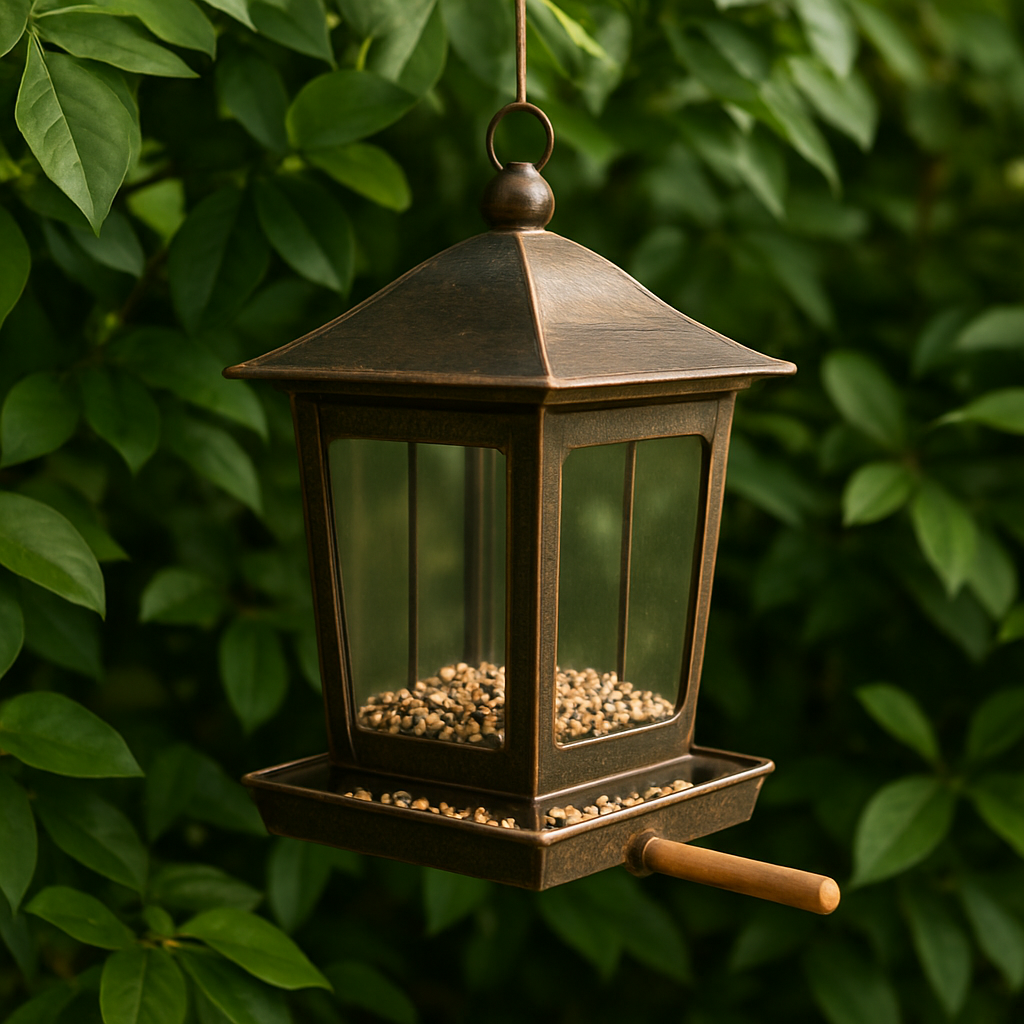 [p]Take a minute to inventory what you already have at home—often a spare LED strip, a small bowl, or a decorative candle can double as a feeder accessory. Then, as you add new items, keep the overall vibe cohesive; the goal is to create a natural, low‑stress environment for your feathered guests.
Remember, the goal isn’t to create a showroom—just a welcoming spot that invites birds to visit day and night. By layering these accessories thoughtfully, you’ll build a backyard that feels alive and, most importantly, keeps the birds coming back for years to come.
Step 6: Troubleshooting Common Problems
Okay, you’ve got the feeder hanging, the lights set, and the seed bag full. If birds are still playing hard to get, don’t sweat it—most hiccups are easy to fix. Here’s a quick play‑by‑play of the most common snags and how to patch them up.
1. The Feeder Won’t Stay Put
First up, the classic “suction cup slide” problem. If the bracket feels loose or the feeder wobbles, grab a damp cloth and wipe the glass. A clean, dry surface gives suction a better grip. If that doesn’t do the trick, try adding a rubber band or a bit of silicone sealant around the cup. A small amount of pressure can keep the bracket from slipping, especially in humid climates.
2. Too Much Glare, Too Little Light
Birds are light‑sensitive creatures. A bright streetlamp or a harsh interior bulb can create a glare that scares them. The trick is low‑intensity, warm‑tone illumination. If your LED strip feels too bright, reduce the brightness setting or add a thin frosted diffuser. If the light is still too strong, move it a foot farther out—sometimes a small shift can make the difference between a curious sparrow and a startled finch.
3. Seed Keeps Sinking or Sticking
Ever notice your seed bag turning into a soggy mess? That usually means the tray is too shallow or the seed type is too sticky. Try a slightly deeper tray or add a layer of crushed corn kernels on top; they act as a spacer and keep the seed dry. If you’re using a glass dish, wipe it with a damp cloth before refilling—dust and oils can cause seed clumping.
4. The Feeder Attracts Predators
Raccoons, squirrels, or even hawks can find a window feeder irresistible if it’s too exposed. To keep the critters at bay, place a small fence or a tall plant directly behind the window. The foliage offers a natural hide‑out for birds and a visual barrier for predators. If you live in an apartment, a lightweight screen or a decorative curtain can do the trick without blocking the view.
5. Birds Keep Landing on the Glass
When the glass acts like a mirror, birds can misjudge distance and land on it—nervous and often injured. A quick solution is to add a subtle white or gray strip along the edge of the glass. The strip breaks the reflective surface and gives birds a cue that they’re not stepping into a window. You can use a small strip of painter’s tape or a thin piece of cardboard—whatever works with your décor.
6. The Feeder’s Seal Is Leaking
If water drips into the tray or seed bag, it’s usually because the seal between the tray and the frame is weak. A silicone gasket can be slipped around the rim before you slide the tray in. That tiny ring of silicone does a great job keeping moisture out, especially after a rainy night.
7. The Light Turns Off Randomly
Battery‑powered LED strips can die on a bad day. Keep a spare battery pack handy and check the wiring for loose connections. If the LED is a solar lantern, make sure the panel is unobstructed and clean—sunlight is the only battery source here. A quick swipe with a microfiber cloth can clear dust and restore brightness.
8. Birds Seem Bored or Skipping Out Early
Sometimes the problem is not the feeder itself but the surrounding vibe. If the window area is too noisy, add a small sound dampener like a towel or a decorative panel behind the window. A calm environment makes birds feel safe and encourages them to stay longer. Also, rotate the seed type every week—mixing millet, nyjer, and sunflower seeds keeps the menu fresh and intriguing.
Quick Checklist to Keep Things Running Smoothly
- Wipe glass, reapply suction if needed.
- Adjust light intensity and distance.
- Deepen tray or add spacer if seed soggy.
- Add a visual barrier for predators.
- Use a strip to break glass reflection.
- Seal tray with silicone gasket.
- Check batteries and solar panel cleanliness.
- Keep the feeding zone quiet and rotate seed mix.
Remember, every little tweak can turn a lukewarm birdwatching session into a full‑blown backyard concert. If you’re still stuck after trying these fixes, reach out to the support team at Nina‑Bazaar—they’re always ready to help first‑time buyers troubleshoot.
Conclusion
We’ve taken a walk through every corner of setting up a window‑mounted bird feeder, from choosing the right spot to keeping the feed clean and the birds happy. Now, let’s pull the thread together.
First, remember that the feeder is a living invitation, not a static display. Treat it like you would a window seat for guests—make the space welcoming and low‑stress.
Second, routine wins. A quick daily check: refill the tray, wipe a smudge, and swap seed types every week. Those little habits keep the birds coming back without you having to do a deep clean every month.
Third, safety is a quiet ally. A small perch, a subtle shade cloth, and a barrier against predators turn a simple feeder into a safe haven for feathered friends.
So, what’s the takeaway? Treat your feeder like a living room extension: tidy, well‑lit, and inviting. When the birds keep returning, you’ll have a nightly show right in your living space.
Now, take that checklist, give it a test run, and watch the birds show up. The real reward is the quiet buzz that turns your window into a living canvas.
FAQ
How do I choose the right window mount for my feeder?
Start by checking the window’s frame. Most feeds fit with suction‑cup brackets that snap onto the glass or the frame’s edge. If your window has a metal rim, a rubber‑cushioned clamp works great. Test the suction in a dry spot—wipe the glass first, then apply the cup. A firm grip lets the feeder stay put even in a breeze. If you’re still uneasy, a small cable tie can add a bit of extra security.
Can a window mounted feeder attract predators?
Predators like hawks, raccoons, and squirrels can eye a feeder if it’s too exposed. Keep the unit at least three feet up and place a tree, shrub, or even a sturdy screen behind the window. This gives birds a quick escape route. If you live in an apartment, a lightweight decorative curtain can act as a visual barrier without blocking the view. Remember: a little cover can make a big safety difference.
What seed mix keeps different birds coming back?
Most common backyard birds love a simple blend of millet, cracked corn, and nyjer. Add a few sunflower seeds for cardinals or blue jays. If you want to attract finches or chickadees, a handful of canary seed works well. Keep the mix fresh—replace it every week—and switch up the proportions based on what you notice. A rotating menu signals to the birds that the feeder is a reliable source of food.
How do I keep the feeder clean without a lot of effort?
Choose a model with a sliding or detachable tray. When you refill, wipe the tray with a damp cloth and let it dry before reassembling. A weekly rinse with warm, mild soap removes any residue that could attract pests. If the glass gets smudged, a quick wipe with a microfiber cloth keeps the view crystal‑clear for the next feathered visitor.
What should I do if the feeder keeps tipping or moving?
Check the suction first; clean the glass if needed. If it’s still loose, add a rubber band around the bracket and the frame to add friction. For a more permanent fix, consider a bracket with a weighted base or a clamp that grips the window frame. A slightly lower perch also helps stabilize the feeder by lowering the center of gravity.
Is a window mounted feeder safe during winter or rain?
Most feeders are designed for indoor use, but look for a sealed base or a drainage channel to keep seeds dry. If you live in a wet area, a feeder with a small roof or a rain cover keeps the food dry and reduces mold. Keep the tray clean and dry, and change the seed at least once a week to avoid dampness and attractants.
Can I add lights to my feeder without scaring birds?
Low‑intensity, warm‑tone LEDs work best. Place them just inside the window frame, angled toward the feeder, and keep them dim. If you use a solar lantern outside, make sure it’s positioned to glow without shining straight into the birds’ eyes. A gentle glow signals “good to go” without the harsh glare that can startle even the most curious robin.
How can I tell which species are visiting my feeder?
A quick journal or a simple note on your phone works wonders. Write down the bird’s name, the time, and any notable behavior. Over a month, you’ll notice patterns—perhaps robins frequent at noon or sparrows at dawn. If you’re unsure about a species, a smartphone app with a built‑in photo guide can help you identify them on the spot.


