

Let’s be honest: that scratch‑mark on the sofa is not just a tiny doodle—it’s a sign that your kitty is craving a surface that feels like home.
Ever wonder why a cat will tear up a couch even though it’s got a perfectly good scratching post at the back of the room?
What if I told you you can keep the furniture looking fresh while still giving your cat the outlet it needs, all without spending a fortune on premium toys?
There are simple tricks—like swapping out a dull rug or adding a discreet scent barrier that work wonders. And if you’re looking for a low‑budget, eco‑friendly solution, a round cardboard scratcher can do the trick. 10 Reasons to Choose a Round Cardboard Cat Scratcher for Your Feline Friend dives into why this shape is a game‑changer for both claws and wallets.
At the same time, if you’re curious about the big‑picture gear that keeps active cats satisfied, you might want to peek at this guide on cat scratching posts—it breaks down height, material, and placement so you can pick a post that lasts and keeps the furniture safe.
But you don’t need to become an expert in feline psychology before taking action. In the next sections, we’ll walk through a step‑by‑step checklist: where to place the scratcher, how to train your cat, and the one tiny tweak that can double the scratcher’s life.
Ready to stop the claws and start enjoying a sofa that stays pristine? Stick around, because we’re about to turn that scratch‑sacred dilemma into a simple, practical solution.
And if you’ve already tried a post that just stays on the floor or a brand that keeps curling out of the corner, you’re not alone. Many pet parents report that a small change—like a few sheets of sisal rope or a dash of citrus spray—can redirect claws back to the scratcher and keep the couch in one piece.
TL;DR
If you’re tired of claw marks and want a budget‑friendly fix, we’ve got a game‑changing tip that turns a cardboard box into a cat‑approved scratching hub. By adding a splash of citrus spray and few sisal strips, the cat’s claws will stay happy on the surface, keeping your sofa months.
Step 1: Identify the Triggers Behind Your Cat’s Scratching
So, you’ve already seen those fresh paw prints on your sofa and you’re ready to stop the drama. The first thing you need to do is step back and think—what’s really making your kitty claw that fabric?
Most people jump straight to scratching posts, but if you ignore the root cause, you’ll be fighting a moving target. Think about the last time your cat dashed in a sudden sprint, pawing at the walls. Was it a new couch? A new person? A neighbor’s dog? That’s the first clue.
1. The Territory Marker
Every cat has a little scent gland in its paw pads. When they scratch, they leave a chemical trail that tells other felines, “This is mine.” If your cat’s scratching is triggered by a new piece of furniture, it’s probably just marking it. The key is to give them a better marker.
2. The Stretch and Flex
Scratching isn’t just about territory. It’s a full‑body workout—think of it as a yoga session for their claws. If your cat feels cramped, they’ll look for any surface to stretch out. Notice if they’re more active in the morning or after playtime; that timing can tell you a lot.
3. The Nail‑Care Routine
Cats grow nails all the time. Scratching keeps the tip from over‑growing, which can hurt them. A cat that’s constantly clawing at a couch may just be trying to keep its nails at a comfortable length. If you can’t spot a scratching post, the cat will improvise.
Now, let’s talk about how you can spot the real triggers.
Spotting the Signs: Where and When They Scratch
Take a quick walk through your living space and map out the scratching hotspots: the back of the sofa, the stair riser, the baseboard near the window, or that high shelf your cat loves to perch on. Mark those spots on a piece of paper. Then, start a 48‑hour observation journal. Note when the scratching happens, what’s happening in the house, and what the cat’s mood seems to be.
For example, if your kitty starts scratching the window frame every time the doorbell rings, that’s a clear cue that the new arrival is a trigger. Or if scratching spikes after you rearrange the furniture, the change itself is the culprit.
Quick Checks for Stress Triggers
Stress is a silent saboteur. A sudden change—a new pet, a new baby, even a new plant—can set your cat on edge. Keep a routine: feed at the same time each day, keep their litter box in a quiet corner, and give them a safe hide‑away.
If you notice a spike in scratching after you’ve moved a couch or added a new rug, you’ve found a trigger. The fix isn’t to throw the furniture away; it’s to provide a better outlet.
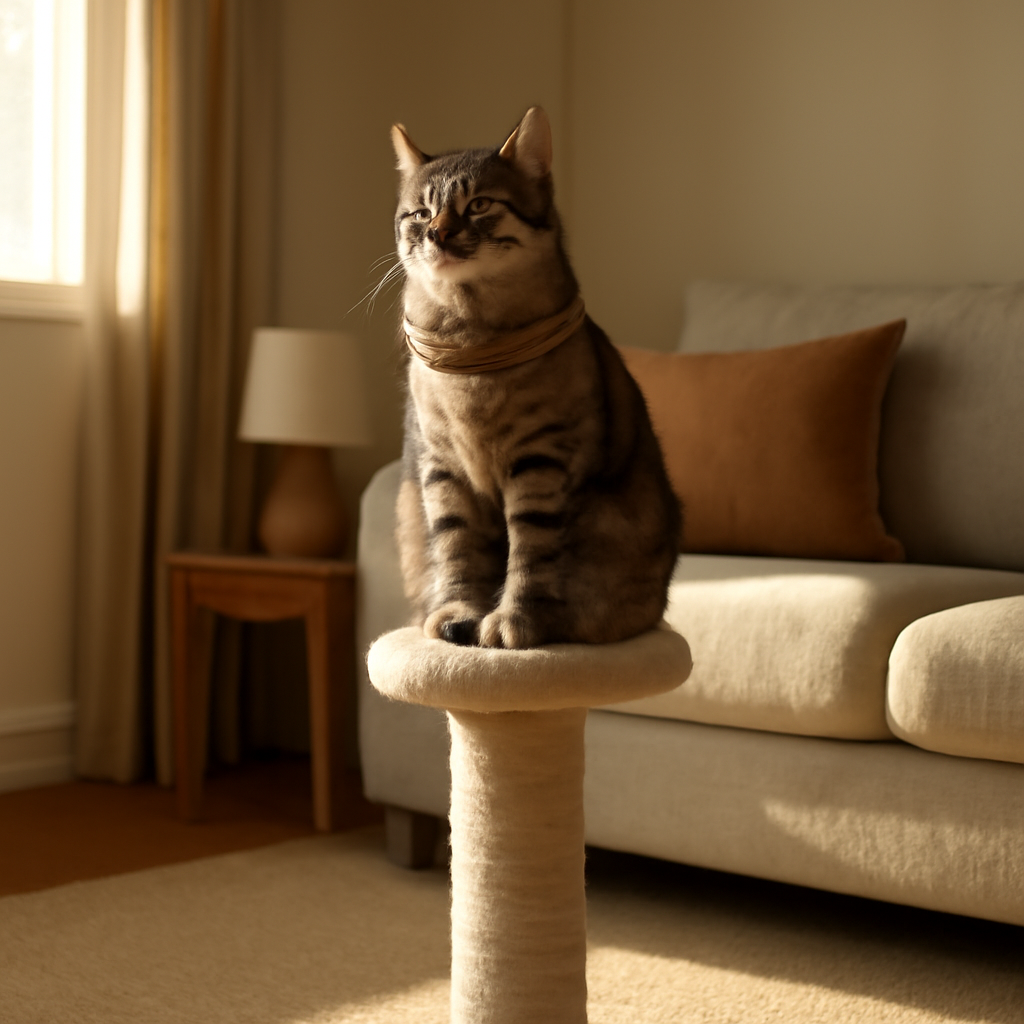
Now, let’s pause and look at a quick visual guide that breaks down what’s happening in a typical cat’s scratching behavior.
After watching that, you’ll see that the cat’s claws are seeking a specific texture and scent. That’s a big hint about what to offer them.
What’s Next? Turning Triggers into Triggers‑Free Zones
Armed with the hotspots and timing, you can start placing alternatives in the exact spots your cat loves. Sisal‑wrapped posts, carpeted pads, or a simple cardboard cylinder—whatever feels natural to your kitty.
We’ve seen first‑time online shoppers look for affordable options that still look good. If you’re hunting for a budget pick that feels sturdy, our Pets Items range has a variety of scratching posts that work well in any décor.
Don’t forget to pair the new post with a scent the cat knows—catnip or a pheromone spray. The scent signals ownership, and the texture gives the claws a satisfying outlet.
Also, consider checking out the Complete Cat Guide article. It dives into the science of scratching and offers a few extra tricks for those stubborn corners.
When you’ve identified the triggers and placed the right alternatives, the next step will be teaching your cat to choose the post over the couch. That’s the plan for Step 2, where we’ll walk through a simple, positive‑reinforcement routine that even first‑time buyers can follow.
Step 2: Offer Engaging Alternatives – Scratch Posts & Pads
So, you’ve mapped out the spots your fur‑ball loves to attack. The next move? Give them a better playground.
Pick the Right Texture
Cat scratching isn’t just about nails; it’s a stretch, a scent spray, and a way to claim space. The good news is you don’t have to buy a pricey tower to keep the sofa safe. A sturdy sisal rope wrapped post or a flat carpeted pad can do the trick.
In our experience, the rough weave of sisal feels like a rug‑to‑scrape combo for most kitties. It’s durable and lets claws do their natural “pull‑off” move without tearing apart. If you’re watching the budget, a simple cardboard cylinder with a layer of sisal on the outside is a cheap, eco‑friendly win. Learn more about the best scratching posts and why sisal wins.
Location is Key
Place the new post right where the claws have been going. If the sofa’s the main target, set a post beside it or even on the same wall. Cats are visual creatures; they’ll notice the new texture if it’s in line with their usual path.
For tight spots, think wall‑mounted. A vertical board that hangs flat against the wall lets the cat stretch up without taking up floor space. Some posts even let you swap out the top panel when it wears down, so you’re not buying a whole thing every year. Explore more wall‑mounted options here.
Make It Tempting
Spray a light coat of catnip or a pheromone spray on the new surface. The scent signals “home” and makes the post feel like its own territory. If your kitty is a bit shy, place a favorite toy near the base and let it chase the dangling string right onto the new pad.
Did you know that a single click of a rubber ball on a scratching pad can double your cat’s interest? Try attaching a small, soft ball to a string and see them jump, paw, and scratch in one go.
Quick Checklist for the First 48 Hours
- Place post/pad beside the current hotspot.
- Sprinkle a light layer of catnip.
- Introduce a toy to lure the cat onto it.
- Watch for the first scratch—give a quick praise.
- Repeat the praise after each successful use.
- Rotate the post’s top panel every few weeks to keep the texture fresh.
So, what should you do next? Keep the post in the same spot until you see the sofa stay clean for a week. If it’s still fighting, try a different texture—perhaps a fabric mat instead of sisal.
When to Call It a Success
You’ll know it’s working when the claws stop dancing on the couch and start dancing on the post. The post will get the scratches, the sofa stays intact, and you’ll feel the stress melt away.
And remember, this isn’t a one‑time fix. Cats grow, habits shift, and the best posts need occasional re‑treating with catnip or a new texture layer. Think of it as a small investment in a happier, furniture‑friendly home.
Step 3: Use Natural Deterrents and Furniture Protectors
Let’s cut the fluff and get straight to the point: you want a tidy sofa and a happy cat. The trick? Give them a place that smells like “home” and feels like a playground.
We’re not talking about some fancy, expensive tower that will sit in your living room like a status symbol. We’re talking about the simple, everyday items you already love and can snag from Nina‑Bazaar’s catalog.
Three pillars keep the claws where they belong: a natural deterrent, a tasty lure, and a sturdy protector. Stick them in that order, and you’ll see the sofa stay spotless in days.
Natural Deterrent—you don’t need a chemical spray that smells like a science lab. Citrus, lavender, or eucalyptus extracts do the trick. Just a light mist on the fabric or the post will have your kitty stepping back like a polite guest.
We’re pulling from the Vet Explains Pets guide, which says natural sprays are a “safe, non‑toxic” way to redirect a cat’s attention. That’s why a quick 30‑second spray is more effective than a costly commercial product that your cat might just ignore. Natural deterrent sprays are easy to apply and have been proven to keep claws off furniture for weeks.
Taste the Lure—cats love the scent of fresh catnip. Sprinkle a light dust on the post or the cardboard and watch curiosity turn into a workout. If your cat is shy, add a small feather toy to make the post a play zone.
We’ve seen first‑time buyers get stuck in a loop of buying a new post only to have the cat ignore it. The trick is to pair scent, texture, and a little visual cue—like a dangling string—to draw the claws in. The result? A post that feels like the cat’s own personal gym.
Furniture Protectors are the unsung heroes that actually shield your sofa from the daily scratch assault. A simple canvas or vinyl rug laid over the sofa’s back can be a low‑budget, high‑impact barrier.
For a more robust option, consider a rubberized “scratch‑proof” sheet. These sheets stick to the sofa with a mild adhesive and are easy to replace when the texture wears out. Many of our customers swear by them after a year of use.
Now, let’s bring it all together with a quick three‑step routine you can run in under five minutes each day.
1️⃣ Spray the chosen post or rug with your natural deterrent. Let it dry for a minute, then sprinkle catnip on top. The scent combo is like a magnet for your kitty’s curiosity.
2️⃣ Place a short strip of sisal or a cardboard cylinder beside the sofa. If you want extra flair, tie a dangling feather to the top. The visual cue nudges the cat to start scratching right where you want it.
3️⃣ Reward each successful scratch with a quick tap of praise, a gentle pet, or a small treat. Positive reinforcement turns the post from a “thing” into a “reward zone.” Repeat daily until the sofa stays clean.
Does that feel like a lot? Not really. Think of it as a gentle coaching session you give your cat while you’re sipping coffee. The key is consistency—do the steps every morning, and the claws will gradually shift.
Still unsure about the right texture? Check out Nina‑Bazaar’s 10 Reasons to Choose a Round Cardboard Cat Scratcher for Your Feline Friend. The round shape keeps claws engaged, and the cardboard is cheap enough to swap out when it’s worn.
Before you head out, here’s a quick table that lays out the three main options side‑by‑side so you can decide what fits your space, budget, and kitty’s personality.
| Feature | Option | Notes |
|---|---|---|
| Material | Cardboard + Sisal | Low‑cost, replaceable |
| Durability | Rubberized sheet | Lasts 12+ months |
| Installation | Wall‑mounted post | Minimal floor space |
Step 4: Positive Reinforcement Training Techniques
Ready to turn that scratch‑battle into a win‑win? Here’s how to use the science of reward to teach your cat where to show off its claws.
1️⃣ Start with the right cue
When your kitty darts toward the sofa, pause. A quick, gentle “come” or a hand‑wave can shift attention. Think of it like calling a friend to your side. The moment they look up, you’re already setting the stage.
2️⃣ The “reward loop”
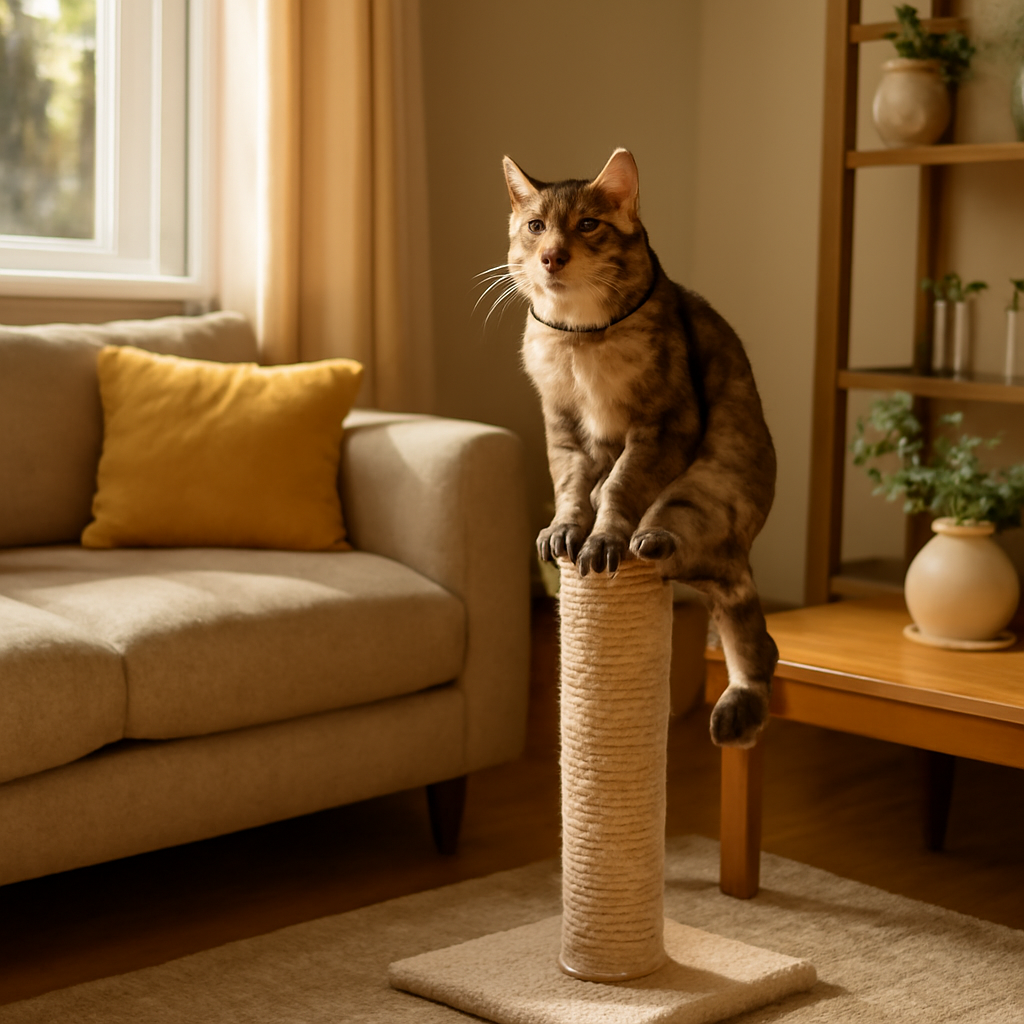
As soon as your cat steps onto the post, give a burst of praise or a treat. The key is timing—no more than a second delay. In the pet‑care literature, immediate reward is cited as the most effective trigger for new habits source.
3️⃣ Sprinkle variety into the mix
Don’t let the post become stale. Rotate a fresh sisal strip or a new toy every two weeks. Cats love novelty, and a new scent or texture keeps them curious.
4️⃣ Make the post “home”
Place the scratching post right next to the sofa’s edge or on the same wall. If the cat feels the post is part of its territory—maybe by adding a small catnip sachet—it’ll feel safe and more likely to use it.
5️⃣ Keep the routine simple
- Morning: tap the post, reward, repeat.
- Afternoon: give a quick play session.
- Evening: let the cat nap beside the post.
6️⃣ Use “play‑in” sessions
Invite your feline to the post with a dangling feather. The movement mimics prey, so the cat is already engaged. Once it paw‑sweeps, reward. The next time it sees the feather, it knows the post is the place to play.
7️⃣ Back‑off if needed
If the cat still claws the sofa, gently pick it up and bring it to the post. Don’t yell or punish; simply redirect. Remember, consistency wins over fear.
8️⃣ Celebrate small wins
Even a single scratch on the post counts. Mark it on a small chart. Over a week, you’ll see a clear shift. This visible progress fuels motivation for both you and your cat.
9️⃣ Check for signs of stress
Sometimes scratching spikes because of anxiety. A calming diffuser or a quiet corner can help. If stress persists, consider a short consult with a vet source.
10️⃣ Keep a Scratch Diary
Grab a notebook or a phone app. Every time your cat uses the post, jot the time and what reward was given. Patterns emerge: maybe they prefer the post after play, or after a snack. Knowing those cues lets you tweak the routine for maximum impact.
11️⃣ Be Patient With the First Few Scratches
Your cat may hesitate at first—maybe it’s testing the new surface or feeling unsure. Don’t force it. Instead, let it explore while you’re nearby. Over a week, most cats transition smoothly. If the hesitation lasts more than two weeks, revisit the texture or scent.
Top 3 Immediate Rewards
- Favorite treat (e.g., a small tuna bite)
- A quick burst of affection (short petting session)
- A fast‑paced play burst with a feather wand
Remember, the goal isn’t to punish but to guide. Over the next month, you’ll see the sofa stay pristine while your cat’s claws are happy and healthy. Stick with the routine, enjoy the play, and celebrate every new scratch on the post as a victory.
Step 5: Consistent Maintenance and Routine Checks
Okay, so we’ve got the post set up, the cat’s getting the hang of it, and the sofa looking a little less scarred. But what happens if you just set it and forget it? That’s where routine checks and maintenance come in. Think of it like car maintenance—skip a tune‑up, and you’ll see problems pop up.
First off, check the claws. If you see the top of the post getting worn, it’s time to flip a fresh sisal strip or replace the cardboard layer. Cats love texture that feels just right. A rough surface that’s too smooth or a worn‑out one that’s frayed can make them bounce to the sofa again.
Second, trim your kitty’s nails every 4 to 6 weeks. Even the best post can’t save a cat who’s got long, sharp claws. A quick snip at the tip keeps nails from digging into fabric. If you’re unsure, ask a vet for a quick demo; it only takes a minute.
Third, keep an eye on the scent. Catnip or pheromone sprays can lose potency. Re‑spray every couple of weeks or replace the sachet. That fresh scent reminds your cat that this spot is “home.”
Now, let’s talk about a simple checklist you can run every morning or evening. It’s quick—just a handful of steps that add up to big results.
Morning Quick‑Check
1️⃣ Inspect the post for visible wear. If the outer layer is frayed, swap it out.
2️⃣ Trim nails if needed.
3️⃣ Give the post a light coat of your chosen scent.
Evening Reward Session
1️⃣ Watch for a scratch. If it happens on the post, give a quick treat.
2️⃣ If the cat skips the post, gently guide it with a toy or a flick of a wand.
3️⃣ Log the session in your scratch diary. Note time, reward, and any hesitation.
Keeping a diary may sound boring, but it turns data into a story. Over a month, you’ll spot patterns—maybe your cat prefers the post after playtime or after a meal. That insight helps you tweak timing or rewards.
Consistency is the secret sauce. A cat’s learning curve is longer than a 5‑minute tutorial. If you skip a day, the cat might forget the cue and revert to the sofa. Try to make maintenance part of your daily routine, like brushing your teeth or watering plants.
What if you’re a first‑time online buyer and the post feels flimsy? Don’t worry. Nina‑Bazaar offers a range of posts that combine durability with affordability. They’re designed to withstand heavy use and still look good in any room. When you’re ready to upgrade, just replace the top panel or add a new sisal layer—no need to buy a whole new tower.
And here’s a real‑world trick: attach a small, soft ball to a string and let your cat chase it on the post. The movement mimics prey and keeps the cat engaged. When the ball stops, the cat often pauses to scratch the post, reinforcing the habit.
Finally, if you notice a sudden spike in sofa scratching, don’t panic. Check for changes in the environment—new toys, a new pet, or a rearranged furniture layout. Those are common stressors. Keep the cat’s routine tight: feed at the same time, keep the litter box quiet, and offer a safe hide‑away.
In short, consistent maintenance keeps the post inviting, the nails safe, and the cat happy. That’s the real path to a scratch‑free sofa and a relaxed cat.
For more detailed instructions on how to protect furniture from cats, check this guide.
Step 6: When to Seek Professional Help
So, you’ve tried every trick in the book and your sofa still looks like a target zone. It’s time to ask for backup.
Know the red flags
If scratching turns into a daily assault that leaves you nursing a bruised arm or a broken cushion, that’s a sign.
Or if your cat is constantly hissing, scratching, and ignoring you after a play session, you might be dealing with anxiety that needs more than a new post.
Another warning? Your kitty starts scratching in new spots—like the bedroom door or your child’s desk—right after a move or a new pet joins the family.
When a vet can help
Professional help shines when scratching is tied to physical pain or a medical issue.
Cats with arthritis, skin allergies, or dental problems often scratch more than usual.
Veterinary Partner explains that underlying health conditions can turn a harmless habit into a serious problem. They advise a full exam if the scratching feels painful or if the cat shows signs of limping, itching, or weight loss.
Veterinary Partner’s guide on scratching behavior
When behaviorists step in
Sometimes the root is a behavioral loop you can’t break.
A certified animal behaviorist can map out triggers and create a custom plan.
They’ll observe your cat’s daily routine, identify stressful moments, and suggest environmental tweaks or training techniques that a vet can’t offer.
Practical steps to take before you call
Gather a little data first. Keep a scratching diary for a week—note time, location, what happened before and after each episode, and any treats or play you gave.
If you see a pattern of stress spikes after a new toy or a change in routine, you can test a quick fix: a calming diffuser, a different scratching texture, or a new hide‑away spot.
If the scratching persists or gets worse, schedule a vet visit. Bring the diary and any photos of the damage; it gives the professional a clear picture.
What to expect during a consult
At first, the vet will perform a quick physical exam—checking for skin lesions, pain points, or signs of arthritis.
They may also run a simple allergy test or a blood panel if they suspect an underlying health issue.
After ruling out medical causes, a behaviorist can help you set up a behavior modification plan.
This might involve scheduled playtimes, pheromone diffusers, or even a temporary relocation of the cat’s favorite spot to reduce anxiety.
Why it’s worth the extra cost
Think of it as a safety net.
A vet or behaviorist can catch subtle issues before they spiral into costly damage or health problems.
It’s also an investment in your cat’s quality of life.
A cat that’s free of pain and stress is more likely to choose your scratching post over the sofa.
And if you’re a first‑time online buyer, you’ll appreciate how a professional opinion can save you from buying the wrong products or repeating the same mistake.
Final check: Are you ready?
Ask yourself a couple of questions. Is your cat scratching more aggressively or in new places? Are there signs of pain or discomfort? Does the problem keep getting worse despite your best efforts?
If yes, it’s time to schedule that appointment. A quick visit can provide clarity, cut down on future damage, and give your cat the peace it needs to enjoy the rest of your home.
FAQ
Q: Why does my cat keep scratching my couch even with a scratching post?
A: Cats have a natural urge to stretch, mark territory, and trim nails. If the post feels too low, too smooth, or is placed too far, the cat ignores it. The couch offers a familiar scent and a comfy spot. Move the post closer to the sofa, add a catnip sprinkle, and let the cat investigate. Patience and positive reinforcement turn the post into a preferred spot.
Q: How can I redirect my cat’s scratching without buying expensive gear?
A: Start with DIY solutions: cover the scratched area with double‑sided tape or a fabric sheet the cat dislikes. Then, provide a budget post—think a cardboard cylinder wrapped in sisal or a simple carpet pad. Pair it with a scent like catnip or a citrus spray to attract curiosity. The combination of deterrent and lure keeps claws where they belong.
Q: What if my cat still scratches after I set up everything?
A: Observe the timing. Cats often scratch after play or a sudden movement. If the scratching spikes during these moments, give a quick play session before offering the post. Also, check if the post is too noisy; cats dislike creaks. A quiet, sturdy material and a scent marker help the cat see the post as safe ground.
Q: How do I know when my cat’s scratching is a sign of pain?
A: Painful scratching shows discomfort: the cat licks the area, withdraws, or hisses. If the behavior persists after environmental changes, schedule a vet check. A quick exam can rule out arthritis, skin allergies, or injury. Early detection saves your sofa and keeps the cat healthy.
Q: Can I use a natural deterrent like citrus spray safely?
A: Yes, most cats dislike citrus scents. A light mist on the couch edge deters scratching without harming the cat. Ensure you use a product specifically labeled safe for pets; avoid human citrus oils in high concentration. Rotate the spray every week to maintain effectiveness.
Q: How often should I replace the top layer of a sisal post?
A: Inspect the outer layer weekly. When it becomes frayed or the texture feels worn, replace or add a fresh sisal wrap. Keeping the surface rough encourages natural scratching. A simple DIY method is to tape a new sisal strip over the old one. Consistent maintenance prevents the cat from seeking other spots.
Conclusion
So, after all the tricks, the big question is: will your sofa stay pristine? The truth is, it’s less about a miracle product and more about a routine you’ll stick to.
First, keep the scratching post where the claws have been going. A simple sisal wrap or a cardboard cylinder—both are budget‑friendly and look good in any room. Sprinkle a light dust of catnip or a pheromone spray; the scent makes the post feel like its own territory.
Next, reward every scratch. A quick tap of praise or a tiny treat right after the post gets a hit turns the post into a positive experience. Over a week you’ll notice the sofa staying clean and your cat happily stretching.
Don’t forget maintenance. Check the surface weekly; if it’s frayed, replace the top layer. Trim nails every four to six weeks—long nails are the real culprits of furniture damage. A fresh scent keeps the post inviting.
What’s the final takeaway? Treat the post as a habit, not a one‑time fix. Consistency beats fancy gear. By sticking to these simple steps, you’ll have a scratch‑free sofa and a cat that feels safe, respected, and ready to show off its claws the right way.


