

Let me be straight—if you’ve ever watched birds peck at a plain metal stand and wondered why the flock never shows up, you’re not alone. That little moment of disappointment is a sign that you’re missing the right kind of feeder.
Think about the last time you tried a plastic or paper bird feeder and it just didn’t hold its own against rain or wind. It’s not the bird’s fault; it’s the design. A well‑built feeder keeps seeds dry, stays sturdy, and, most importantly, looks good enough to make birds feel at home.
So, what makes a PVC bird feeder different? PVC is light, weather‑resistant, and surprisingly tough when it comes to everyday outdoor use. That means no rust, no cracking, and no need to replace the unit every season. It’s the kind of feeder that lets you focus on watching the birds instead of worrying about maintenance.
Here’s a quick checklist you can follow before you pick a feeder:
- Size—Make sure the feeder can hold enough seed for your bird friends. A small model works for a single species, but a larger one is best if you want to attract a variety.
- Attachment—Check for a sturdy clip or hook that can hang from a fence or tree without slipping.
- Accessibility—A wide opening lets birds of all sizes access the seed easily, reducing the chance that they’ll feel cramped.
- Cleaning—PVC is easy to wash, so you can keep it free of mold or mold‑like buildup, which keeps the birds healthy.
What we’ve seen work best for folks who shop on Nina‑Bazaar is pairing a PVC bird feeder with a small, solar‑powered garden light. The light draws the birds in during the early evening and makes the feeder a little extra special. And if you’re looking for a low‑maintenance option that doesn’t skitter off the fence, check out our PVC bird feeder.
But a feeder is only part of the story. Placement matters. Hang it a foot off the ground, away from pet access, and close to a source of cover so the birds feel secure. If you have a balcony, the feeder can double as a centerpiece that turns the space into a mini‑wildlife park.
Now, let’s talk about the night shift. Even the most durable feeder can look dull in low light. That’s where a small LED light comes in handy. A simple solar panel on the feeder’s frame keeps the lights on without draining batteries. It also helps attract insects, giving the birds extra food during cooler evenings.
And if you’re thinking about lighting up the area, our partner Outlook offers great garden fixtures that complement the feeder’s aesthetic while staying energy‑efficient.
In short, a PVC bird feeder is a win‑win: durable, affordable, and ready to welcome a chorus of birds without the hassle of frequent replacements. It’s the kind of product that lets your backyard feel alive, without extra upkeep.
So, grab a PVC bird feeder, choose the right spot, add a little light, and soon you’ll be hearing the familiar chirp of a happy flock in your own yard. The only thing left to do is sit back, relax, and enjoy the show.
TL;DR
A PVC bird feeder gives you a durable, weather-resistant way to invite feathered friends into your yard without the fuss of rust or frequent replacements, letting you focus on watching them instead of maintenance.
Pair it with a simple solar light to keep it glowing in the evenings and attract extra insects, turning every night into a mini-wildlife show.
Choosing the Right PVC Bird Feeder Materials
So you’ve decided a feeder is the answer, but now you’re stuck staring at a sea of tubes, sheets, and plastic. The first thing to ask is what your birds actually need, not what the seller thinks.
PVC is the champion of backyard feeders because it stays light, dries fast, and doesn’t rust. It also keeps seeds dry even when a drizzle turns into a downpour. That’s why PVC bird feeders feel like a reliable friend.
If you’re going beyond the basic, look at the wall‑thickness and the finish. A 2 mm wall is fine for a small seed pouch, but a 4 mm wall gives extra resilience for windy spots.
Here’s a quick material cheat sheet: PVC – light, weather‑proof, no rust; PET – similar but heavier, often cheaper; Acrylic – great for display, but cracks if dropped. Pick the one that matches your climate, your budget, and your aesthetic.
Lighting is the secret sauce for night‑time visits. A small solar LED light can make your feeder a beacon for insects and a halo for the birds. For a polished look, check out the outdoor lighting solutions from Outlook.
And if you’re a pet owner, you might also want to keep your furry friends safe. A quick browse of the cat scratching post guide helps you find a spot that keeps cats entertained without disturbing the birds.
Now that you’ve got the right material, the right lighting, and the right safety plan, you’re ready to assemble your feeder. Keep it off a sturdy branch, leave a little gap for birds of all sizes, and watch the magic happen.
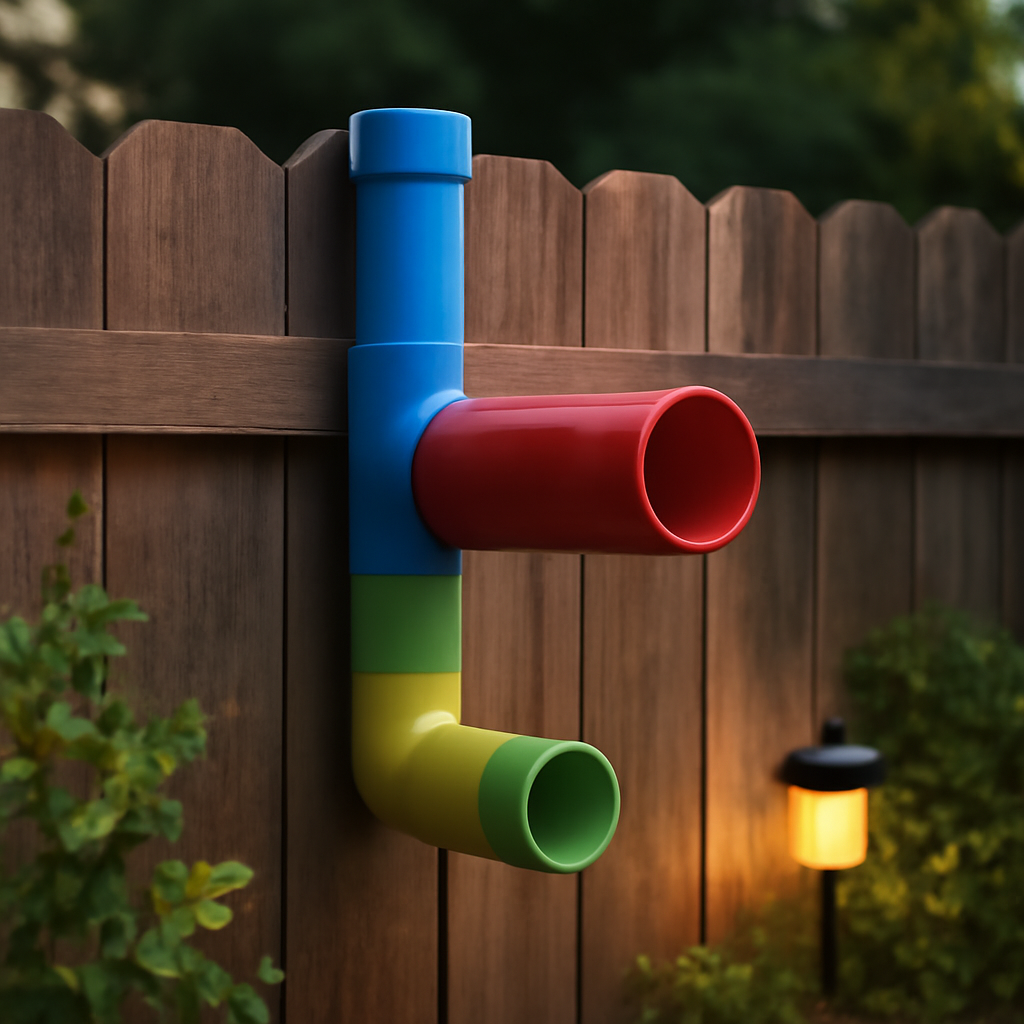
Step-by-Step Assembly Guide: Building Your PVC Bird Feeder
Ready to swing your DIY skills into action? Let’s turn that PVC pipe into a bird‑friendly hub that’s as sturdy as it is charming.
1️⃣ Measure and cut: Grab a 1‑inch schedule‑40 pipe and cut it to a 6‑foot length with a hacksaw. Keep the edges smooth—think of it as the foundation for your feathered friends.
2️⃣ Prep the joint: Apply a food‑safe PVC primer to the inside of the T‑joint and the cross‑arm. The primer seals the gap, keeping the seed dry and the structure tight.
3️⃣ Assemble the frame: Insert the cross‑arm into the T‑joint, then slide the feeder cup onto the arm. The cup should sit snugly; a loose fit invites pests.
4️⃣ Mount it: If you’re hanging from a tree, use a sturdy hook; for a pole, secure the pipe with a rubber band or zip ties to keep it upright. Aim for 5–6 feet off the ground—just high enough to keep predators at bay.
5️⃣ Add a seed tray: Slide a shallow tray into the lower section or attach a small shelf. Check out our home‑garden collection for extra accessories that keep the feed dry.
Feel free to experiment with different seed blends; some birds prefer the crunch of cracked corn over the smoothness of sunflower.
6️⃣ Final touches: Place a water dish beside the feeder and double‑check the stability. A quick spin test guarantees it won’t wobble when the wind picks up.
7️⃣ Enjoy: Fill the cup with millet or sunflower seeds and watch the neighborhood flock gather. If you’re also planning a garden picnic, pair the feeder with a fresh drink from Quench Bottles for a perfect outdoor vibe.
That’s it—no fancy tools, just a few cuts and some elbow grease. Your PVC bird feeder is ready to welcome feathered friends for seasons to come.
Maintenance & Cleaning Tips to Keep Your Feeder Bird-Friendly
Ever wonder why your feathered friends disappear after a rainy weekend? A dirty feeder can be a silent killer—mold, bacteria, and pests hide in every crumb, and birds won’t notice until it’s too late.
So, what’s the simplest way to keep your PVC bird feeder inviting? Start with a two‑week cycle: empty, scrub, rinse, and sanitize. In a small basin mix one part bleach to nine parts water, let the feeder soak for five minutes, then rinse twice with clean water. The bleach cuts pathogens by up to 99 % without harming the birds.
Need a quick‑grab routine? Grab a stiff‑bristle brush, a microfiber cloth, and some dish soap. Swirl the cloth in warm water, scrub the tray and cup for 60 seconds, and wipe away all residue. A clean surface means mold spores won’t cling and seed quality stays fresh.
Think about the whole station—every inch of the feeder can trap moisture. Check the drip edges, the seams, and the perches for cracks that can harbor mold. Seal tiny gaps with a food‑safe sealant once a month to keep moisture out.
Want real proof that cleaning works? According to Bird Feeder Maintenance Guide from Avian Bliss, a routine bleach soak reduces bacterial load by 80–99 % and keeps birds healthier over the season. They recommend cleaning every two weeks for the best results.
And here’s a tip for the impatient: set a calendar reminder. A simple notification on your phone ensures you never skip a clean‑up, turning maintenance into a habit rather than a chore.
Let’s put this into action—grab your cleaning kit, schedule a wash, and watch your PVC bird feeder transform from a dusty pit to a vibrant buffet. Your neighborhood birds will thank you with bright chirps and steady visits.
Ready to keep those wings beating? Start today, and you'll see the difference within days.
Design Ideas & Customization: Adding Style to Your PVC Bird Feeder
If you’re still figuring out how to start, the DIY plans from Birds Affection show you how to build a sturdy base before you paint.
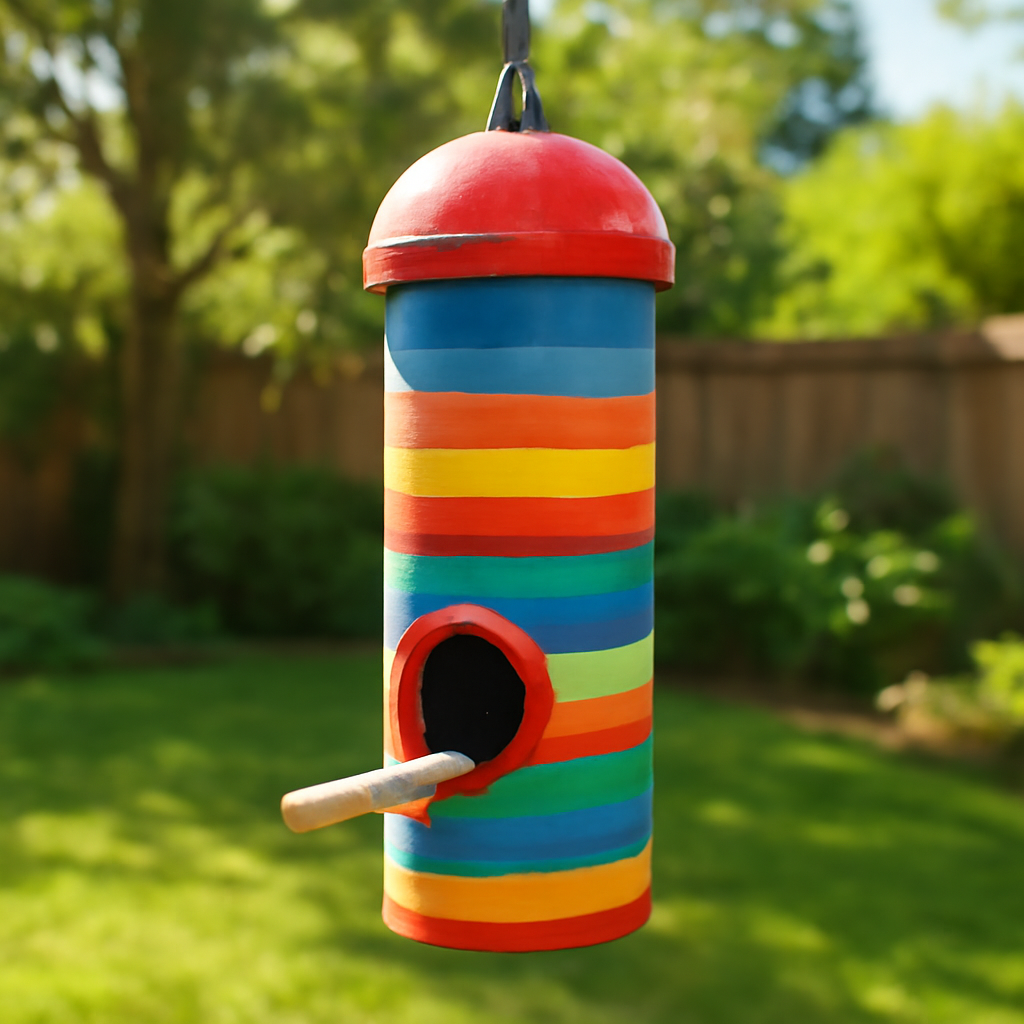
So, you’ve got a solid PVC base and you’re ready to turn it into a backyard highlight. The first thing that sticks is the paint job. A fresh coat of weather‑resistant acrylic not only protects the pipe but lets you put your personality on display.
1. Pick a Color That Pops
Think of the colors you already love in your yard—sky blue, forest green, or even a bold red. Use a primer that’s food‑safe, then layer a couple of thin coats. The trick is to let each coat dry fully; it keeps the finish bright and smooth.
2. Add a Simple Graphic
Grab a stencil of a bird silhouette, a sunflower, or a simple stripe pattern. Press it onto the feeder while the paint’s still wet. The result looks intentional, not sloppy, and it’s a quick way to add charm.
3. Embrace Natural Elements
Attach a small piece of driftwood as a perch—just cut a notch in the PVC and slide the wood in. Or hang a tiny weather‑proof wreath from the top. These touches blend the feeder into the landscape and give birds extra perching spots.
4. Keep It Clean and Bright
Every few weeks, rinse the paint surface with a gentle soap solution. A quick wipe‑down prevents grime build‑up and keeps the colors vivid. If the paint starts to look dull, a light sanding followed by a fresh coat will restore its shine.
By mixing color, design, and nature, your PVC bird feeder becomes more than a food source—it turns into a conversation piece for your neighbors and a favorite spot for the birds.
 }
}
Choosing the Best PVC Bird Feeder Models: A Quick Comparison
We’re not just picking any feeder; we’re hunting for the one that makes birdwatching feel like a breeze.
First, look at durability. PVC is lightweight yet tough, but the grade matters. A #1 or #2 PVC pipe stays bright and won’t crack even after a summer storm.
Second, think about the critters that love a good snack. If squirrels are your main nuisance, a feeder with a built‑in cage or a squirrel‑proof design keeps the seed safe.
Third, cleaning is a big deal. Models that come with a removable tray or a smooth interior finish make a quick wipe‑down a snap.
What about a little extra sparkle? Some units fold in a tiny solar‑powered LED, so you can watch the birds even when the sun dips.
So, which three options stand out? Below is a quick table that lines up the key features with three popular styles.
| Feature | Model | Notes |
|---|---|---|
| Material Durability | Standard PVC Feeder | High‑grade #2 PVC; weather‑resistant; no rust |
| Squirrel Resistance | PVC with Built‑in Cage | Enclosed feeding ports; keeps squirrels out |
| Ease of Cleaning | Solar LED PVC Feeder | Removable tray and smooth interior; low maintenance |
Curious how real users feel about these? A recent OneClearWinner review highlights the high ratings and price‑performance ratio for the standard PVC model.
And if you want a deeper dive into the top picks in the U.S., the Better Homes & Gardens guide lists pros and cons for each style and offers buying tips.
Take a quick glance at the table, pick the feature that matters most to you, and you’ll have a feeder that’s ready for spring, summer, and the occasional rainy day.
And don’t forget budget—PVC feeders can start around $20, and you’ll get several seasons of use for that price. If you’re on a tighter budget, look for a bundle that includes a seed tray and a simple clamp. That way you can upgrade to a solar‑LED version later without buying a whole new unit.
FAQ
What is a PVC bird feeder and why is it a good choice?
A PVC bird feeder is a lightweight, weather‑resistant frame that holds seed and a small tray. PVC won’t rust, crack easily, or attract pests, so it stays bright even after a rainstorm. For first‑time online shoppers, it’s a low‑maintenance option that still looks sharp on the fence.
How do I choose the right PVC model for my yard?
Start with size: a 6‑inch opening works for most seeders, while a 4‑inch cup is great for finches. Check for a smooth interior so mold can’t grow. If squirrels are a problem, look for a cage‑type model or one with a built‑in guard. Price usually ranges from $20 to $40, so set a budget before you shop.
Can I add a solar LED to a PVC feeder, and how does that help?
Many PVC units have a small solar panel on the back that powers a low‑intensity LED. It attracts birds after dark and also lights up the feeder, making it easier to refill. The solar system charges during the day, so there’s no need for batteries or wiring, which keeps the feeder clean and quiet.
What’s the best way to keep my PVC feeder clean?
Remove the tray or cup once a week in dry weather. Scrub it with warm soapy water and a soft brush. If you’re in a humid area, let it dry completely before refilling. A quick bleach soak (1:9 bleach‑to‑water ratio) once a month keeps bacteria down without harming the birds.
Will a PVC feeder attract more than one bird species?
Yes. The open cup and shallow tray are ideal for cardinals, chickadees, finches, and even small doves. Mixing sunflower, millet, and cracked corn gives you a menu that keeps different species coming back. Adding a perch a foot high gives perching birds a safe spot.
Is there a risk of mold or mildew on PVC feeders?
Only if the feeder sits in a damp corner or the tray isn’t drained. PVC itself is non‑porous, but moisture can cling to the tray. Keep the feeder dry by ensuring the tray has drainage holes and wipe down the inside after rain. A light coat of food‑safe sealant after cleaning can also help.
Where can I get a high‑grade PVC feeder that fits my budget?
Look for a model labeled #2 PVC and with a removable tray. These are often priced around $25 to $35. Many retailers offer bundles that include a seed scoop or a simple clamp, giving you flexibility to upgrade to a solar LED later without buying a whole new unit.
Conclusion
We’ve walked through every angle of the PVC bird feeder, from why it outlasts metal and plastic to how a quick bleach soak keeps the seed bowl fresh.
What you’re really chasing is a low‑maintenance spot that turns your yard into a nightly show.
Here’s the take‑away: choose a #2 PVC model with a removable tray, mount it a foot off the ground, and add a small solar LED if you want after‑dark buzz. That setup handles rain, wind, and even the occasional squirrel.
Now ask yourself—does your current feeder feel like a chore or a celebration? If it feels like a chore, swap it out for a fresh PVC unit. If it feels like a celebration, keep feeding, keep cleaning, and watch the chorus grow.
Finally, remember the simple habit of wiping down the tray every two weeks and refilling on sunny mornings; it’s the trick that keeps the birds coming and your mind at ease.
If you’re new to online buying, the first time buyer often wonders about shipping times and return policies. Nina‑Bazaar’s clear shipping details and hassle‑free return process mean you’ll feel confident ordering a feeder that’s both practical and stylish.
Before you click “Add to cart,” double‑check the product description for the exact PVC grade and whether a drip‑edge is included. That small detail can save you a rainy‑day cleanup later on.
And finally, keep your eye on the season. As winter approaches, you might need to switch from sunflower to a mix that stays dry longer. Small adjustments keep the birds fed and your budget intact.
Bonus Tips & Resources
We’ve talked about the nuts and bolts of a pvc bird feeder, but let’s dive into the little extras that make the experience feel effortless.
First, think about a quick‑refill station. Placing a small, weather‑proof seed container next to the feeder means you never have to bend over to scoop fresh millet.
Second, add a bird‑friendly windbreak. A low‑profile screen or a cluster of tall grasses can shield the feeder from gusts, especially during late‑summer storms. Birds feel safer and will return more often when they’re not constantly fighting the wind.
Third, consider a tiny solar lantern. Even a 2‑watt LED can make the feeder visible after dark without draining batteries. You’ll see a soft glow and a ripple of insects that add a nocturnal feast for your feathered friends.
Fourth, keep a small cleaning kit handy. A rubber‑balled brush and a quick‑dry sponge can handle grime before it becomes mold. Swiping the tray after heavy rain turns a potential health hazard into a routine breeze.
Fifth, create a bird‑watch log. A simple notebook or a phone app lets you jot down species, times, and weather notes. Over a season you’ll see patterns that help you tweak seed mixes and placement for maximum turnout.
Finally, remember the power of a community. Joining a local bird‑watching group or an online forum gives you fresh ideas and a support network when you hit a snag. It’s like having a neighborhood of fellow feeders cheering you on.
So, what’s the next step? Pick one of these extras, try it out, and watch your backyard turn from a quiet corner into a lively, humming hub of wildlife.


