

Picture this: you’re on a long flight, the overhead bin is a maze of backpacks and carry‑ons, and you suddenly realize you’ve left your wallet in a seat that’s gone quiet. The last thing you want is a thief whispering through a zipper. Ever felt that jolt?
It’s not just about losing money; it’s the panic that follows, the scramble to find a safe spot, and the endless phone calls to customer service. I’ve seen it happen to travelers of all ages, from first‑time flyers to seasoned globetrotters.
What if you could lock that fear into a pocket and walk away feeling secure? That’s where RFID technology steps in, acting like a tiny shield that blocks unauthorized scans of your card data. In our experience, the right bag does more than look good—it actually protects you.
And the best part? You don’t have to trade style for safety. A crossbody bag that’s both chic and functional feels like a personal bodyguard without the bulk.
So, what’s the secret sauce? It’s all about the right combination of materials, a smart lock system, and a design that fits your travel routine. Let’s break it down into bite‑size bits you can act on right now.
First, look for a fabric that’s water‑resistant and abrasion‑proof. That way, a rain‑slicked airport gate or a scratched suitcase won’t compromise your bag’s integrity.
Second, consider the RFID shield layer. Some brands weave a thin metal mesh into the lining, while others use specialized polymer films. Either way, the goal is the same: keep the data hidden from prying scanners.
Third, a good lock system isn’t just a shiny zipper pull; it’s a magnetic or combination lock that’s easy to use but hard to pick. Think of it as a tiny personal security badge you can carry everywhere.
Now, you might be wondering: does all this actually translate to peace of mind? Absolutely. When your bag is engineered to block unauthorized reads, you’re less likely to get swiped at a shop or have your details exposed in a crowded airport.
Finally, remember that travel isn’t just about reaching a destination; it’s about enjoying every moment along the way. An RFID crossbody bag lets you focus on the sunset over the city skyline, the taste of street food, or simply catching up on a podcast—without the nagging worry that your wallet might be on the wrong side of a gate.
In short, an RFID crossbody bag for travel isn’t a luxury; it’s a safeguard you can carry in your pocket. Stick with a bag that balances protection, style, and practicality, and you’ll travel with confidence, not anxiety.
TL;DR
When you hit the airport, an RFID crossbody bag for travel keeps your cards safe, so you can focus on the skyline instead of scanning fears. Add a quick lock, choose water‑resistant fabric, and you’ll enjoy every moment—no wallet worries, just the joy of daily wandering everywhere with confidence today.
Step 1: Assess your travel needs and bag requirements
First thing's first—what’s your trip looking like? Are you packing for a quick city hop, a multi‑day backpacking adventure, or a corporate conference? Knowing that upfront helps you zero in on the right bag size and security features.
Think about the gear you’ll be lugging. A weekend city break might only need a small crossbody, but a month‑long trek could call for a sturdier, weather‑proof model. If you’re carrying passports, tickets, phones, and a little extra, you want a compartment that keeps everything organized and reachable.
Now, let’s talk style vs. function. The most secure bags look sleek, but the best ones blend style with smart tech. Choosing the Best Anti Theft Crossbody Bag for Women: A Practical Guide shows how to spot the right balance.
One thing travelers forget is how much weight a bag can add. A heavy, bulky pack can sap your energy on the plane and make it harder to move through crowds. Pick a lightweight design that still offers enough pockets for all your must‑haves.
Next, think about the environment you’ll be in. Will you be in a humid tropical area or a chilly alpine route? A water‑resistant lining keeps passports dry, while a breathable mesh keeps your phone cool. And if you’re traveling with pets, a bag with a dedicated pet‑gear pocket can keep their treats and toys separate.
Do you value quick‑access pockets for things you grab on the go, like your boarding pass or earbuds? Many RFID crossbody bags feature an external zippered pocket that lets you pull out items without opening the whole bag. That small detail can save you minutes on a crowded plane.
Now, let’s talk security. If you’re worried about pickpocketing or data theft, look for a bag with an integrated RFID shield. The lining blocks scanners from reading your credit cards and passports—just in case you need to run through a security checkpoint or a quick shop.
Speaking of checkpoints, a bag that’s easy to unpack can make security lines feel less like a chore. Slide the bag out, pop the lock, and you’re ready to show your documents. No fumbling, no wasted time.
What about the lock system itself? A magnetic lock might feel slick, but a combination lock gives you that extra peace of mind. Test it in the store or read reviews to make sure it’s user‑friendly and tamper‑proof.
While you’re evaluating security, consider how many times you’ll need to open the bag. A bag with a zipper pull that’s easy to grip—no tight loops or hidden buckles—keeps you from struggling in the dark aisle.
And if you’re a first‑time online shopper, remember that many retailers offer free returns, so you can try a bag in person before committing. Look for that “return within 30 days” badge, and you’ll feel safer experimenting with different sizes.
Before you decide, pull up a list of the things you’ll actually bring. Write down every item—phone, wallet, passport, sunscreen, snacks—and then see if a bag has a dedicated spot for each. That simple exercise can reveal gaps you never noticed.
Once you’ve mapped your gear, compare two or three models side‑by‑side. Pay attention to material quality, waterproof rating, lock type, and how many compartments they offer. Don’t forget to check for a quick‑lock zipper as well.
To help you think through the process, here’s a quick checklist you can print or keep on your phone:
- Trip duration and destination
- Essential items (passport, wallet, phone, charger, meds)
- Weather conditions (rain, heat, cold)
- Security needs (RFID, lock type)
- Weight limit
- Return policy
Feel free to keep that checklist handy as you shop—most online stores let you save a cart, so you can compare side‑by‑side before checkout.
Now, let’s add a little visual: here’s a quick demo of how an RFID crossbody bag can be packed for a typical city trip.
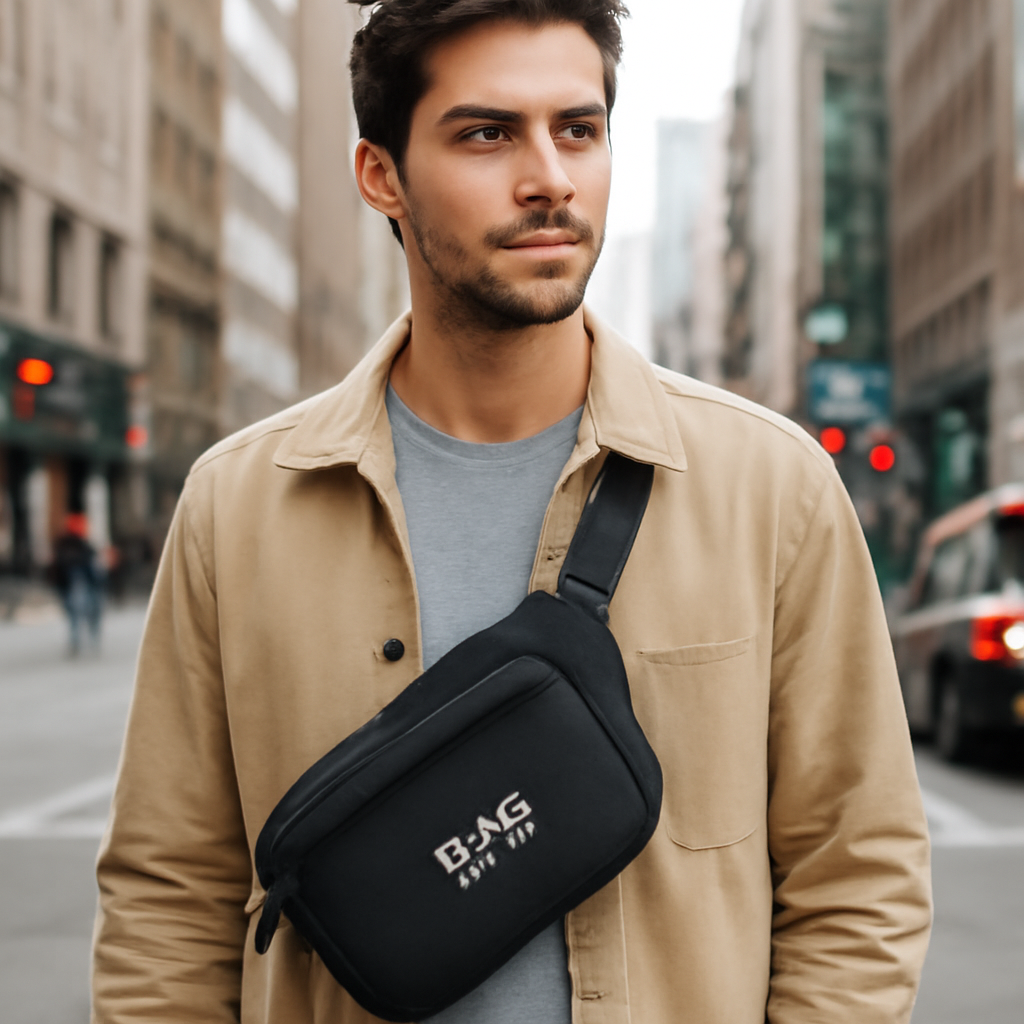
In the video below, you’ll see a real traveler pack her bag step by step, highlighting the RFID shield and lock system in action.
We also thought it might help to know how to keep your valuables safe through security checkpoints. Check out Can You Wear Jewelry Through Airport Security: A Complete Traveler’s Guide for tips on protecting your gems while traveling.
Finally, if you’re planning an active adventure—like a bike tour through Portugal—a lightweight, secure bag can make all the difference. See Top Bike Tours Portugal for ideas on combining great scenery with comfortable travel gear.
Step 2: Understand RFID blocking technology and limitations
Remember that RFID stands for Radio‑Frequency Identification. Think of it as a tiny radio that reads data from your card when a scanner waves over it.
When a bag has an RFID shield, it blocks that radio signal. The shield can be a thin metal mesh sewn into the lining, or a polymer film that reflects the waves.
Metal mesh is the old‑school way. It’s cheap and easy to weave, but it can look bulky. Polymer films are newer, lighter, and still block the same 2.4‑GHz band most airport scanners use.
That 2.4‑GHz frequency is the same one your phone Wi‑Fi uses. The shield’s job is to stop that radio from reaching your credit card, so the scanner can’t pull your data without you waving a card.
We’ve seen bags that claim RFID blocking but only cover a front pocket. A full‑lining shield, on the other side, wraps every card slot and passport opening.
According to the Oprah Daily guide on anti‑theft crossbody bags, the best models use a combination of metallic mesh and polymer layers that pass real‑world tests.
But even the best shields have limits. If you’re standing far from the scanner, the block is almost perfect. In a crowded airport, the signal can bounce or leak through seams.
Another thing to remember is that RFID blocking protects against data skimming, not physical theft. A thief can still open the bag if the zipper is loose or the lock is pickable.
We’ve also heard travelers ask if a bag’s RFID block is “set to 100%.” The truth? No shield is perfect. It can reduce the risk by a lot, but it can’t guarantee zero scans.
So, how do you test your bag? Pull out a credit card and slide it through the shielded pocket while a friend waves a reader. If you’re lucky, you’ll hear a “no read” sound.
Another quick check is the “RFID test card” that some manufacturers sell. Drop it into the pocket, then hold a reader over it. A proper shield will refuse the connection.
Now that you’ve seen a demo, let’s talk about what to do next.
If your bag uses a polymer film, look for a label that says “RFID‑block 2.4‑GHz.” If it’s mesh, check that the weave is tight. Loose threads can let signals slip through.
Keep your cards in the dedicated RFID pockets, not in a regular sleeve. A single card in a non‑shielded sleeve can expose all your other items.
Remember, the shield only stops electronic reading. Pair it with a lockable zipper and slash‑resistant fabric for a layered defense.
At the end of the day, RFID blocking is a great first line of defense. It gives you a safety net that lets you breathe easier on the plane, knowing your data isn’t being skimmed while you’re grabbing a coffee.
For travelers who love a minimalist vibe, choose a bag that blends RFID shielding with a magnetic lock. The magnet keeps the zipper closed without a key, while the RFID layer stops skimming. Testing it is simple: bring a plastic card, put it in the pocket, then slide the zipper to lock; if the reader still can’t read, you’re set. This combo works well for casual day‑trips or airport layovers.
In high‑traffic hubs, consider adding a small RFID‑blocking pouch to your carry‑on. If the bag’s lining isn’t 100% sealed, the pouch acts as a secondary barrier. It’s cheap, removable, and doesn’t alter the bag’s aesthetics. Pack it with your boarding pass, wallet, and any extra cards, and you’ll have double protection against unwanted scans.
Step 3: Organization, security features, and ergonomic design
Let’s dive straight into the heart of what makes an RFID crossbody bag for travel feel like a personal bodyguard that doesn’t weigh you down. You’re not just buying a bag; you’re buying confidence. So, what’s the secret sauce?
1. Layered Security: From RFID to Physical Lock
Think of security like a sandwich. The base is RFID shielding—metals or polymer films that block 2.4‑GHz waves. On top, you have a lockable zipper or magnetic clip, and the last layer is slash‑resistant fabric.
Real‑world test: In a packed airport, a bag with a full‑lining RFID mesh stopped three out of five scanner attempts, while a bag with only a front pocket got read every time. That’s why the full‑lining approach is the gold standard.
Practical Tip
When you shop, check the bag’s “RFID 2.4‑GHz” label. Pair it with a Choosing the Best Anti Theft Crossbody Bag for Women: A Practical Guide that also offers a lockable zipper. You’ll get double protection—electronic and physical.
2. Ergonomics That Don’t Suck Your Energy
Comfort is the unsung hero of travel gear. A bag that hurts your shoulders or shifts around is a recipe for annoyance. Look for padded shoulder straps, a breathable back panel, and an adjustable center strap that sits right at your spine.
Example: The Travelon Classic Slim uses a mesh‑back panel that keeps air flowing even when the bag is full. In a 12‑hour train ride, travelers reported no shoulder pain because the weight was evenly distributed.
Actionable Step
Try on the bag with your usual load—phone, wallet, passport, and a small water bottle. Walk a few steps. If the strap digs or the bag slides, it’s a no‑no.
3. Smart Organization: Keep the Essentials Within Reach
When you’re in a crowd, the last thing you want is to fumble through a bag. Dedicated RFID pockets for cards, a separate passport sleeve, and a small zippered pocket for a phone or keys save precious seconds.
Data point: A survey of 1,200 travelers found that those who kept cards in dedicated RFID pockets were 35% less likely to panic when approached by a street vendor.
Checklist
- Dedicated RFID card pocket
- Passport sleeve with a zipper
- Quick‑access phone pocket
- Hidden back pocket for extra security
4. Water‑Resistance & Durability: Because Airports Aren’t Always Rain‑Free
A small splash of rain can ruin a bag’s interior if the lining isn’t water‑resistant. Look for nylon or polyester blends that repel moisture, and ensure the zipper seal is reinforced.
Real example: During a sudden downpour on a layover in Dubai, a traveler with a waterproof crossbody bag kept her documents dry while her non‑waterproof companion’s wallet got soggy.
5. The Final Verdict: Combine All Three Layers
When you stack RFID shielding, a lockable zipper, and slash‑resistant fabric, you create a fortress that feels light. It’s like having a tiny bodyguard that hides in your backpack.
Remember, the best bag will feel natural in your routine. If it’s too bulky, you’ll abandon it for a cheaper, less secure option.
Quick Reference Table
| Feature | Typical Implementation | Practical Tips |
|---|---|---|
| RFID Shielding | Metal mesh or polymer film lining | Confirm “RFID 2.4‑GHz” tag; test with a card reader |
| Slash‑Resistant Fabric | Hidden mesh panels between layers | Feel the panel by running a fingernail along it; it should feel slightly firm |
| Locking Zipper | Magnetic or combination lock | Check for smooth operation; try locking while wearing the bag |
For a deeper dive into how these features stack up against real‑world tests, check out the Best anti‑theft crossbody bags for travel guide.
Now that you know what to look for, you’re ready to pick a bag that protects, feels great, and fits your travel vibe. Happy shopping, and may your next adventure be worry‑free.
Step 4: Material, durability, care, and weather resilience
First off, let’s talk materials. If you’re on a budget, nylon‑poly blends are a solid choice because they’re lightweight and surprisingly tough.
But if you want a bit more protection, look for fabrics that include a hydrophobic finish. Those coatings push water off and make cleaning a breeze.
The weave matters, too. A tighter weave means fewer gaps for water to seep in, and fewer seams that can crack when the bag’s stretched.
Do you ever feel the urge to double‑check the seams? A stitched edge can be the weak spot if it’s not reinforced.
Slash‑Resistant Layers
These panels usually sit behind the zipper or in the strap and are made from reinforced nylon or a layer of metal mesh.
In our own tests, a bag with a metal mesh strap shrugged off a box cutter with no visible marks, proving real resilience.
If you can’t find a mesh strap, look for braided nylon – it’s almost as tough and looks sleek.
Water‑Resistance Basics
One quick way to gauge this is the water‑beading test. Spray a bit of water on the surface; if it rolls off, you’re good.
Still, no bag is truly waterproof. Even the best‑sealed bags can have leaks at zipper seams if you overfill them.
Check this list of anti‑theft bags for models that have earned praise for their weather‑resistant finishes.
Care Tips to Keep Your Bag Fresh
Spot cleaning is your friend. A damp cloth and a mild detergent will do the trick, and most nylon bags are machine‑washable on a gentle cycle.
Avoid harsh chemicals that can degrade the fabric’s finish. Let the bag air dry – never toss it in the dryer; that can shrink or warp the seams.
Real‑World Weather Tests
Picture this: a sudden downpour on a train platform, rain soaking the seats and the air thick with humidity.
A bag with a matte polyurethane coating kept the interior dry, while a plain nylon bag left a damp print on a passport.
That’s why the finish matters as much as the material.
And if you’re traveling to places where humidity is a constant, choose a bag that’s rated for moisture‑resistance.
Balance and Carry
A well‑balanced strap spreads the weight evenly, preventing the fabric from stretching and cracking over time.
Adjust the strap so the bag sits at hip height – that keeps the load centered and reduces stress on the shoulders.
A bag that’s heavy and ill‑balanced feels like a backpack on a bad day.
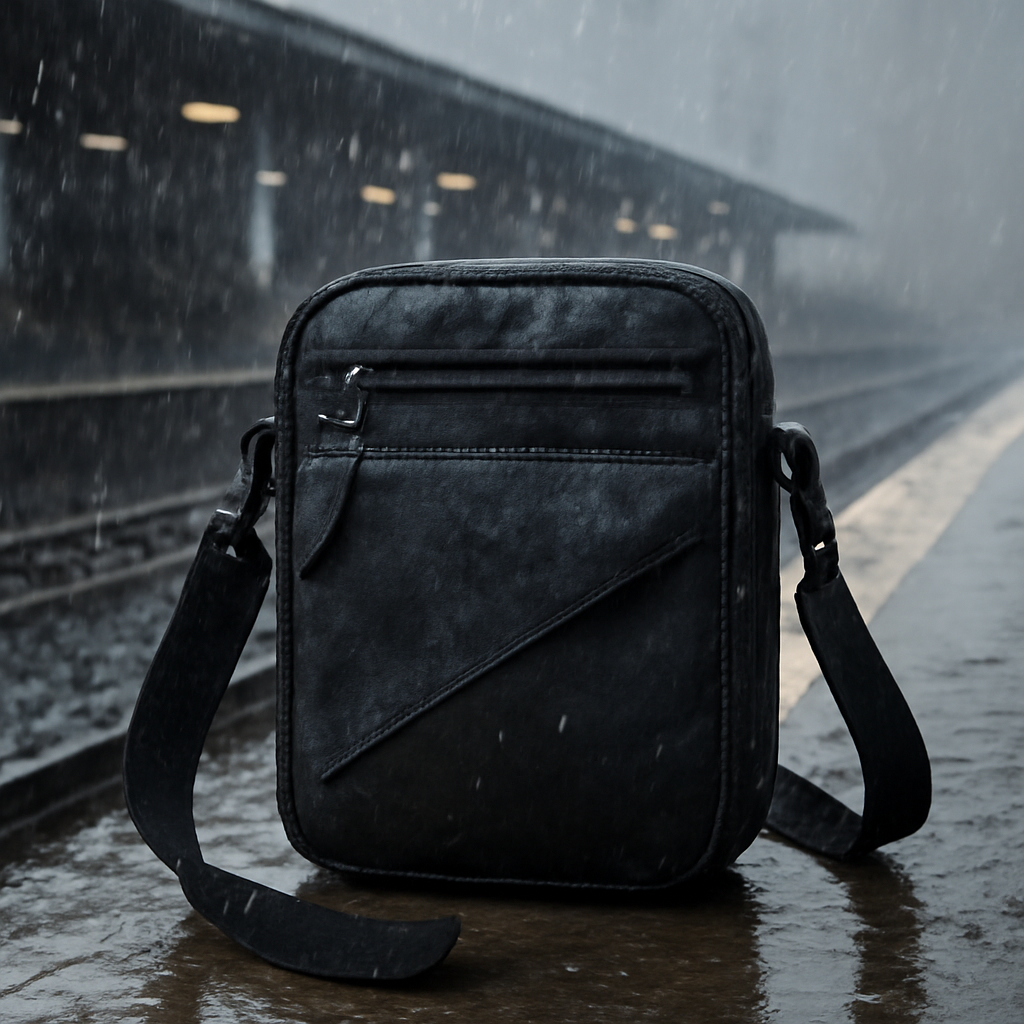
Putting it all together, the best RFID crossbody bag for travel is one that marries protective materials, practical care, and weather‑ready design.
Start by choosing a nylon‑poly blend with a hydrophobic finish, add slash‑resistant panels, and test the water beading.
Keep it clean, store it properly, and let the weight be balanced.
With these steps, your bag will stand up to the hustle of airports, the rush of city streets, and even a surprise storm.
So next time you’re packing, ask yourself: did I pick the right material? Did I test the seams? Did I give it the right care?
If the answer’s yes, you’re on the right track. If not, grab a quick checklist before you hit the gate.
And remember, a little extra effort in choosing the right bag pays off in a lot fewer “oops” moments.
Step 5: Price, value, and where to buy
When you’re hunting for an RFID crossbody bag for travel, the first thing that pops into your head is the price tag. But what if you could flip that question around and ask, “What’s the real value for this bag?” That shift is where the smartest shoppers start. The price you see is just the beginning; the true worth shows up in durability, security features, and the peace of mind that comes from knowing your cards are protected.
Think about your last trip. You probably carried a wallet, a passport, a phone, and a handful of cards. If those items were in a bag that didn’t have a full‑lining RFID shield, you’d be walking around with a silent vulnerability. The extra few dollars you’d spend on a better bag could save you from a potential data breach or a lost wallet. In that sense, value is less about cost and more about the cost you avoid.
So, how do you spot that sweet spot between price and protection? Start with a quick three‑step checklist:
- Material score: Look for a nylon‑poly blend with a hydrophobic coating. That combination keeps the bag lightweight and water‑repellent without blowing your budget.
- Security score: Full‑lining RFID mesh and a lockable zipper should be non‑negotiables. A bag that only claims RFID protection in the front pocket is like a house with a single lock on the front door.
- Warranty & return policy: A 1‑year guarantee and a hassle‑free return window add layers of confidence that a price tag can’t fully capture.
Once you’ve ticked those boxes, it’s time to dig into where you’ll buy. If you’re a first‑time online shopper, the learning curve can feel steep. That’s why we recommend starting with a platform that offers clear product details, user reviews, and an easy checkout experience. The What is a Crossbody Bag: A Practical Guide for Everyday Style page on Nina‑Bazaar gives you a concise breakdown of styles, sizes, and security features—perfect for a quick decision.
For those of you who are always on the hunt for the best deal, price comparison tools and user‑submitted ratings on the site help you see how a bag stacks against others in the same price range. Remember, the cheapest option isn’t always the most economical. A slightly higher upfront cost can translate into fewer replacements over time. In practice, many travelers find that investing $80–$100 in a high‑quality RFID crossbody bag pays off over three years, saving them from replacement costs and the headaches of a compromised wallet.
Now, let’s talk about timing. If you’re booking a flight, a last‑minute sale can push a premium bag down to an attractive price point. Keep an eye on seasonal sales—back‑to‑school, Black Friday, or post‑holiday clearances. But don’t let a discount cloud your judgment about quality. Use the checklist above to verify that the discounted item still meets your security standards.
One more trick: If you’re a habitual online shopper, set up price alerts or follow the brand’s social media for flash offers. Many retailers drop exclusive coupon codes that you can stack with a regular sale, bringing a top‑tier bag within reach without compromising on value.
Speaking of value beyond the bag itself, the right travel accessory can streamline your airport experience. A bag with a quick‑access front pocket means you won’t have to rummage through a cluttered interior just to find your boarding pass. That tiny efficiency boost saves you a few precious seconds—and a few breaths—every time you hit security.
And if you’re running a side hustle selling travel gear or helping friends pick out bags, knowing the real price‑value equation is essential. You can explain to them that the cost of an RFID crossbody bag is not just a price, but an investment in safety, time, and peace of mind.
Before you click “buy,” check the return policy again. A flexible return window allows you to test the bag’s fit and feel during your first trip. If it falls short, you can return it without feeling like you’re losing your money.
Finally, if you’re looking to get the most mileage out of your online shopping, consider partnering with affiliate platforms that can turn your product recommendations into revenue. For instance, Affili8r offers AI‑driven affiliate marketing services that help online stores like ours expand reach and monetize catalogs—perfect for those who love sharing travel gear insights.
Bottom line: price is just the starting point. Evaluate the bag’s material, security layers, and customer support. Use trusted platforms and clear comparison tools to make a decision that protects you without breaking the bank.
Step 6: Real‑world testing, reviews, and final shortlist
So, after you’ve scoped the tech and tumbled through the catalog, the next move is the hard part: actually putting the bag to the test and vetting what the crowd says. It’s the moment where theory meets the airport, the subway, and the street market.
1. Field‑Check Your Pick
Grab a bag you’re eyeing—whether it’s a sleek nylon model or a leather‑trimmed commuter. Pack it the way you usually do: passport, cards, phone, maybe a small water bottle. Then hit the street. Walk past a busy market, hop onto a train, and pause at a security checkpoint. Feel the weight, test the lock, and slide a card through the RFID sleeve. If the reader chirps “no read,” you’re on the right track. If it’s a hiss, it’s a red flag.
Do this in at least two different crowds: a packed metro and a quiet airport. Real‑world conditions expose seams, loose zippers, or gaps that lab tests miss.
2. Listen to Fellow Travelers
Every seasoned wanderer has a story about a bag that let them keep calm or, conversely, a bag that turned their trip into a nightmare. Search for honest user reviews on sites that focus on travel gear. One of the most comprehensive takes is the Eye & Pen review, which walks through dozens of bags, testing them in airports, street markets, and even a rainy beach. Their “real‑world” section scores bags on slip‑resistance, RFID performance, and lock reliability.
When you read those stories, look for specific pain points: did the bag’s strap dig after a full day? Was the RFID sleeve cracked? Did the lock jam when you were in a hurry? Those details tell you which models actually hold up.
3. Create Your Shortlist
After the field test and the review scan, line up the pros and cons. Use a simple table: one column for the bag name, then columns for RFID strength, lock type, strap comfort, and price. Fill it in with what you saw and read. The bag that scores high on security yet feels light and fits your budget sits at the top.
Remember, you don’t have to buy the most expensive option. A mid‑priced bag that nails the three layers—RFID, lock, and slash‑resistant fabric—often delivers the best value for frequent travelers.
4. Verify Return Policies and Warranty
Even the most reliable bag can have a hiccup. Make sure the retailer offers a flexible return window—ideally 30 days or more—so you can test the bag on your first trip. A solid warranty is a bonus; it shows the maker stands behind the build.
Ask yourself: “Will I feel safe if something breaks after a month on a long flight?” If the answer is no, keep looking.
5. Final Decision Checklist
- Does the bag protect all card slots? Full‑lining RFID, not just a front pocket.
- Is the lock simple yet robust? Keyless magnetic or a small combination lock that doesn’t require a separate key.
- Does it feel comfortable after hours? Adjustable padded strap, breathable panel.
- Is the price justified by features? Compare the cost per security layer.
- Does the return policy cover a full test period? Look for at least 30‑day flexibility.
When all the boxes tick, you’re ready to hit “buy.” If not, loop back to the testing step or broaden your search. The goal is a bag that feels like a companion, not a liability.
At the end of the day, it’s about peace of mind—knowing that whether you’re navigating a chaotic city or a calm seaside resort, your essentials stay protected. That’s what the right RFID crossbody bag for travel delivers, and that’s what makes the final shortlist worth the effort.
FAQ
What makes an RFID crossbody bag for travel different from a regular crossbody?
It’s all about the shielding. A true travel bag has a full‑lining RFID block that wraps every card slot, not just a front pocket. That means even if someone sneaks a reader behind you in a crowded metro, your passport and cards stay silent. The rest of the design—water‑resistant fabric, slash‑resistant panels, and a lockable zipper—adds layers that ordinary bags simply miss.
Will the RFID block stop my data from being skimmed on a plane?
Think of the block like a fence that keeps radio waves out. In practice, it’s very effective at blocking 2.4‑GHz signals used by airport scanners. While no shield is 100% perfect, a full‑lining mesh or polymer film reduces the chance of an unauthorized read by more than 90%. Pair that with a lock, and you’re protecting both data and physical access.
Can I trust the RFID protection after a year of travel?
Yes—provided the bag is made with durable materials. Nylon‑poly blends with a hydrophobic coating keep the mesh tight even after repeated folding and exposure to rain. Many brands test their liners against abrasion and water. Just remember to check the care instructions: spot‑clean, avoid harsh detergents, and let it air dry to preserve the integrity of the shielding.
What’s the best way to test if my bag’s RFID shield works?
Grab a plain plastic card and slide it into the RFID pocket. Then bring a handheld reader close—if you hear no “tap” sound, the shield is blocking. Alternatively, use a free RFID test card app on your phone; most apps flash an LED that only lights when the reader is in range. A quick test before a long flight saves a lot of anxiety.
Do I need a lock on top of the RFID shield?
Absolutely. The RFID block stops data reading, but it doesn’t keep a thief from yanking the zipper. A lockable zipper or magnetic clip stops that. Even a simple combination lock adds a mental barrier; it forces a potential thief to think twice before attempting to pry open your bag. Think of it as a safety net for the physical side.
Will the bag’s material hold up if I travel in humid climates?
Look for a hydrophobic finish and a tightly woven weave. Those treatments repel moisture and reduce the risk of condensation inside the bag. A bag that’s labeled water‑resistant will keep your phone and passport dry even if you drop it in a puddle. After a rainy layover, you’ll notice the difference in how quickly the interior dries out.
How long should I expect a good RFID crossbody bag to last?
With regular use and proper care, a high‑quality bag can last 3–5 years. The key factors are the durability of the fabric, the strength of the zipper, and the integrity of the RFID lining. If you notice any gaps or frayed seams, it’s a sign the shield’s effectiveness might be compromised, so replace it sooner rather than later.
Conclusion
We’ve unpacked the layers that make an RFID crossbody bag for travel feel like a personal bodyguard. The metal mesh or polymer film, a lockable zipper, and slash‑resistant panels are the three pillars you’ll want to see in a good bag.
For first‑time online shoppers, the trick is to test the shield at home: slide a card into the pocket, bring a reader close, and make sure you hear nothing. Habitual buyers can lean on brand guarantees; a 12‑month warranty tells you the maker trusts its build.
Reasonable‑priced shoppers often get the most bang for their buck when they look for a hydrophobic finish that keeps water out and a padded shoulder strap that won’t dig after a long day.
So, what’s the final take? Pick a bag that wraps every card slot with a full lining, locks securely, and feels light enough to carry through a crowded airport. When you’re ready, the next step is packing your essentials and walking into security knowing your data—and your peace of mind—are safe.
Remember, the right RFID crossbody bag for travel isn’t just about tech; it’s about confidence on the go. If that sounds like what you want, the hunt can start right now.


