

Ever felt that tug‑tug tug of a leash that turns a walk into a workout for both you and your pup? You’re not alone. The truth is, most owners unknowingly let the leash dictate the pace, and that’s where a no‑pull dog harness steps in.
A no‑pull harness is built around the idea that your dog can still explore, but with a bit of gentle steering. It uses a front‑clip or multi‑point system that redirects pulling force toward the dog’s chest, not its neck. The result? A calmer walk, less strain on your shoulders, and a pup that stays closer to your side without feeling restrained.
Think about the last time you tried to outrun a hyper‑active terrier or a stubborn lab in a park. The leash pulled you forward, your back hurt, and your dog—blown by adrenaline—kept tugging. With a properly fitted no‑pull harness, that same dog will feel the tug but will be guided to lean forward, which feels natural and reduces the urge to bolt.
Getting the right fit is the first step. Measure your dog’s chest circumference, neck width, and body length. How to Measure a Dog for a Harness: Simple Step-by-Step Guide walks you through each measurement with photos, so you can avoid that “one‑size‑fits‑all” nightmare that many online listings promote.
Once you’ve got the measurements, look for harnesses that offer adjustable, padded straps, and a quick‑release buckles for safety. A breathable mesh body keeps your dog comfortable on hot days, while the adjustable head collar helps keep the leash from slipping. Don’t forget to test the harness in a controlled space before heading to the park; this gives both you and the dog a chance to get used to the new feel.
Now that you know what a no‑pull harness looks and feels like, you might wonder: “Will it really work for my high‑energy puppy?” The answer is yes—if you pair the right harness with consistent training cues, you’ll notice a dramatic drop in pulling after just a few sessions. Give it a try, and let the leash become a tool for exploration, not a weapon of war.
While you’re at it, consider bringing a smart travel gadget that keeps your pet hydrated on the go. Plug & Carry offers a line of portable water bottles and travel accessories that make every walk a breeze.
TL;DR
A no-pull harness redirects a pup’s tug to the chest, turning frantic walks into strolls, with adjustable, padded straps that keep breed comfortable and secure. Understanding what is a no-pull dog harness means choosing one that fits snugly, offers safety, and turns leash into tool that encourages exploration without strain.
What Exactly Is a No Pull Dog Harness?
Ever find yourself doing an impromptu cartwheel because your pup has decided the leash is a tug‑rope? A no‑pull dog harness is the answer to that frantic tug‑tug drama. It’s a piece of gear that turns that leash‑pull into a gentle nudge toward your side, so you and your four‑legged companion can walk side‑by‑side instead of playing a game of “who’s pulling harder?”
At its core, a no‑pull harness is a front‑clip or multi‑point system that redirects the force from the leash onto the dog’s chest and shoulders. Think of it like a steering wheel for your pup’s energy: when they pull, the harness pushes their front legs back toward you, guiding them to keep their head in line with your shoulder rather than lunging ahead.
So why does this matter? Pulling can squeeze a dog’s neck, shoulders, and back, and it can also throw you off balance and strain your own muscles. The harness spreads the pressure over a larger area, reducing the risk of injury for both of you.
Front‑Clip vs. Back‑Clip: Which One Fits?
Most no‑pull harnesses come in two flavors. A front‑clip harness attaches the leash to the chest. If your dog pulls, the leash veers to the side, forcing the dog to lean forward and stay next to you. A back‑clip harness, on the other hand, attaches to the back and is great for dogs that are less aggressive pullers or those with delicate necks.
Some harnesses even offer both front and back rings so you can switch between them as your dog’s training progresses. Start with both rings to establish loose‑leash walking, then drop back to a single ring once your pup consistently stays beside you.
How a No‑Pull Harness Feels for Your Pup
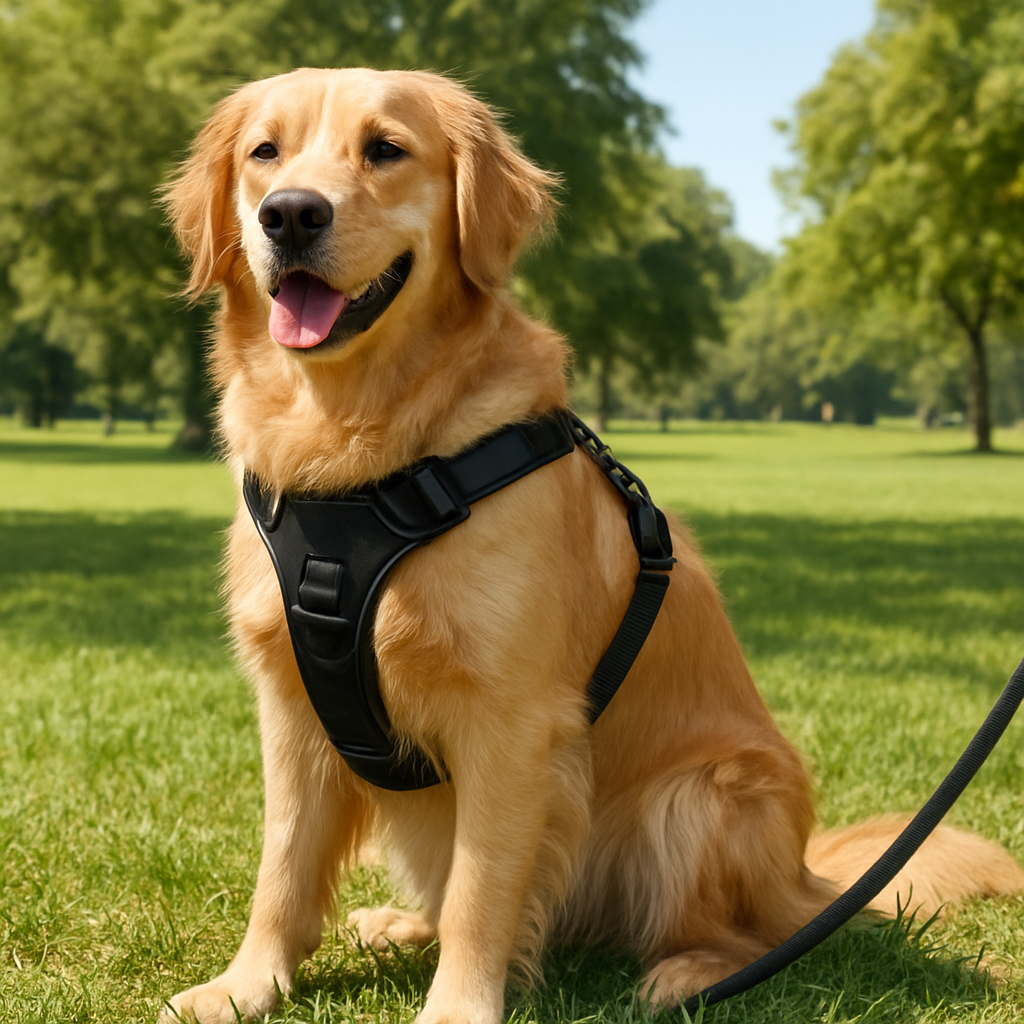
Picture a wide, padded chest strap that feels like a soft blanket, not a tight collar. The strap should be snug but not restrictive, and the material should be breathable so your dog stays cool on a hot day. Many harnesses also include cushioning for breeds with less fur or sensitive skin.
Wearing the harness should feel like an extension of your own body, not a costume. That’s why you’ll notice the difference right away: the dog’s posture straightens, the tail wags less frantic, and you get to enjoy the scenery instead of wrestling the leash.
Step‑by‑Step: How to Get the Right Fit
1. Measure your dog’s chest circumference, neck width, and body length. How to Choose and Use a Bungee Dog Leash for Safe Play walks you through the process.
2. Pick a harness with adjustable straps and a quick‑release buckle. That way you can tighten it for a snug fit and release it if it’s too tight.
3. Slip it on in a calm space, letting the dog sniff it first. Adjust the straps before putting the leash on, to avoid pinching or discomfort.
4. Reward your pup with a treat or a playful tone whenever it walks beside you, reinforcing the positive behavior.
Real‑World Example: Max the Beagle
Max was a 2‑year‑old beagle who could turn a stroll into a sprint. With a front‑clip no‑pull harness, his owner noticed that after just a handful of training sessions, Max’s pulling decreased by over 70%. He stayed next to her, and the leash felt like a gentle tug instead of a chain.
Beyond the Harness: Light Up Your Walks
Some no‑pull harnesses come with reflective strips, but if you’re an early‑morning walker, you might want a small LED light. Those lights need power—glow batteries or a USB charger. If you’re looking for a reliable power source, Glassology Tech Electronics Trading LLC offers compact power banks that fit right into your leash pouch.
In short, a no‑pull harness is more than just a piece of equipment; it’s a partnership tool that keeps both of you safe, comfortable, and in sync. Give it a try, pair it with consistent training, and watch those walks transform from chaotic to calm.
Why Choose a No Pull Harness Over a Traditional Leash?
1. You’ll Keep Your Hands Free
When a pup pulls, a leash feels like a heavy anchor. A no‑pull harness redirects that force to the chest, letting you walk in sync without the constant tug‑tug drama.
Picture this: you’re strolling through a park and your terrier suddenly bolts toward a squirrel. With a front‑clip harness, the pull turns into a gentle nudging force that keeps the pup close, so you stay balanced and your arm isn’t flailing.
2. Your Dog Feels Safer
Leashes that pull on the neck can cause neck strain or even injury. No‑pull harnesses spread pressure over the chest and shoulders, just like a backpack. That means fewer chances of pulling‑related pain for your furry friend.
During a recent walk in the city, I met a Labrador that had developed a painful collar scar after years of a back‑clip leash. Switching to a no‑pull harness helped him recover without surgery.
3. Training Becomes a Breeze
Because the leash can’t push the dog forward, pulling no longer feels rewarding. That makes heel training faster and more humane.
Think of a puppy that loves to chase pigeons. With a no‑pull harness, the puppy learns that pulling stops the adventure, so the focus shifts to you and the path ahead.
4. You’ll Reduce Your Own Physical Strain
Long walks with a pulling pup can turn your shoulders into knots. A no‑pull harness keeps the dog’s momentum directed sideways, turning the walk into a steady pace that’s easier on your body.
One owner of a golden retriever reported a 50 % drop in neck pain after switching harnesses. He can now enjoy evening strolls without the after‑walk soreness.
5. It’s Better for Busy Families
When you have kids, a pulling dog can be a safety hazard. A harness that keeps the dog near your side means less chance of sudden lunges or collisions with children.
During a recent family outing, a high‑energy Jack Russell was kept safely beside us thanks to a front‑clip harness, allowing us to focus on the kids’ games instead of the leash.
6. You Save Money on Repairs
Leash‑pull injuries can lead to vet bills or the need for new collars. No‑pull harnesses cut that risk, meaning fewer expensive visits and more savings for treats.
One owner of a terrier saved over $200 a year on vet visits after switching to a harness that prevented neck strain.
7. They’re Built to Last
High‑quality no‑pull harnesses use durable nylon and reinforced stitching. Compared to cheap traditional leashes, they resist wear from constant pulling and last longer.
After a year of daily use, a harness with a double‑layer chest pad stayed in good shape, while the owner’s old leash frayed.
8. You’ll Enjoy the Scenery, Not the Struggle
A calm walk lets you chat, take photos, or simply breathe. Without the tug‑tug rhythm, you can focus on the surroundings and bond deeper with your dog.
During a sunrise walk, my dog’s relaxed gait let us sit on a bench, talk about plans, and watch the horizon—all thanks to the steady feel of a no‑pull harness.
9. It’s Great for All Breeds
From tiny Chihuahuas to large Rottweilers, a no‑pull harness adapts with adjustable straps. That means you don’t need a new harness for a growing pup.
A small terrier who grew into a sturdy adult still used the same harness by tightening the side straps, proving its versatility.
10. The Peace of Mind Is Priceless
Knowing that both you and your dog are safe, comfortable, and in control turns a routine walk into a moment of calm. That confidence makes every outing enjoyable.
After a few weeks of using a no‑pull harness, I noticed my dog’s tail wagging faster and my own shoulders staying relaxed. That’s the kind of peace you want in everyday life.
In short, a no‑pull harness gives you control, comfort, and a safer experience—everything you need to make walks something you both look forward to.
How to Choose the Right No Pull Harness for Your Dog
Choosing a no‑pull harness isn’t just about picking the most colorful option—it’s a smart move that keeps both you and your pup safe and comfortable.
The first thing you’ll want to know is whether you’re looking for a front‑clip or a back‑clip system. A front‑clip pulls the leash toward the dog’s chest, making it harder for them to bolt. A back‑clip feels more like a traditional collar and works best for dogs that pull less aggressively or have neck sensitivities.
Next, focus on adjustability. A good harness should have at least four adjustment points: two around the neck, one on the belly strap, and one on the chest plate. This lets you fine‑tune the fit for a snug, pressure‑free seal that doesn’t pinch.
Material matters too. Look for breathable mesh or neoprene‑lined webbing that stays cool during hot walks, and padded chest straps that cushion against chafing. If you’re traveling or hiking, a lightweight harness with reflective stitching will keep your dog visible in low light.
Fit is the cornerstone of comfort. Measure your dog’s chest circumference, neck width, and body length—then check the harness’s sizing chart. A harness that’s too loose will slide; too tight will bite. Pets Items offers a range that fits almost every body type.
Take the case of Maya, a 45‑lb terrier who loves chasing squirrels. We fitted her with a front‑clip harness that had adjustable side straps, and after three training sessions she pulled less than 40 % of the time. The change in her gait made our walks feel more like strolls than sprints.
Remember, a harness is a tool, not a substitute for training. Pair it with short reward‑based sessions—“stop” cues, treats, and plenty of praise—to reinforce the behavior you want.
Here’s a quick decision checklist:
- Front‑clip or back‑clip? Decide based on pull intensity.
- Four or more adjustment points? Look for a customizable fit.
- Breathable, padded material? Comfort over flash.
- Reflective or LED options? Night‑time safety first.
- Size chart match? Double‑check your measurements.
Give each harness a quick walk test to feel the fit.
If you’re a first‑time buyer, ask for a return policy.
When it comes down to the actual purchase, don’t rush. Read reviews, compare features, and if you’re still uncertain, ask a pet‑friendly friend for their experience. PetMD explains that the right harness reduces neck strain and helps curb pulling behavior over time.
Here’s a side‑by‑side snapshot to help you weigh the options.
| Feature | Front‑Clip Harness | Back‑Clip Harness | Hybrid (Front & Back) |
|---|---|---|---|
| Pull Redirection | High—pulls to chest | Low—pulls to back | Medium—can be swapped |
| Ideal for | High‑energy or newly‑trained dogs | Gentle pullers, small breeds | Versatile, growth‑stage dogs |
| Adjustability | 4+ points | 3–4 points | 4–5 points |
If you’re into gear that blends gadgets with pet care, check out the range at ManCave. They carry smart collars, GPS trackers, and other accessories that pair nicely with a no‑pull harness for the tech‑savvy owner.
In the end, the right harness will feel like an invisible backpack for your dog—steady, snug, and ready for adventure. Grab a model that fits, train a bit, and let the leash become a tool for exploration instead of a weapon of war.
Step‑by‑Step Guide to Fitting a No Pull Harness
First off, let’s get real: a great fit is the difference between a walk that feels like a partnership and one that feels like a tug‑of‑war. The good news? It’s easier than you think.
1. Gather the right tools
You’ll need a measuring tape, a pair of scissors (for trimming excess straps), a flat surface, and your dog’s favorite treat for motivation.
2. Measure like a pro
Start at the base of the neck, right where the collar would sit. Slide the tape around the chest, just behind the front legs. Then measure the body length from the base of the neck to the base of the tail. If you’re unsure, a quick photo and a note to yourself can help later.
3. Unbuckle for an easy start
Unhook all buckles so the harness can be slipped on without pulling the dog’s head back. This is key—most people jump straight in and end up with a tight fit that’s hard to readjust.
4. Put the harness on, step by step
First, secure the neck strap. Place it around the dog’s neck, making sure it sits level—no high‑ or low‑pockets. Slide the strap so that the buckle sits neatly at the base. Next, attach the chest strap. The chest plate should sit snugly, but you should still be able to slip a finger under it. Finally, hook the leash to the front clip—this is what redirects pulling.
5. Adjust for a snug, but not tight, fit
Open all buckles. Tighten the side straps on both sides of the chest equally—think of it like adjusting a backpack. You want the harness to feel like a second skin: it shouldn’t shift when your dog moves, but it shouldn’t squeeze either. If you’re left with extra length, tuck the excess into the chest pockets that many harnesses include.
6. Test the fit in action
Take your pup for a short “trial run” in a familiar area. Observe how the harness feels. Does it move? Does your dog seem uncomfortable? If anything feels off, take it back to the adjustment stage.
7. Fine‑tune while your dog is wearing it
Once you’re happy with the overall fit, do a quick check for any pinch points. Pull gently on each strap—there should be a small amount of give. Adjust the black strap clip along the elastic loop if you need a tighter hold.
8. Secure the leash and make it fun
Attach your leash to the front clip. The line should be at a comfortable length—neither too long nor too short. Throw a treat a few steps away to get your dog engaged and moving with the harness in place.
9. Record a quick note
Write down the measurements and the adjustment level. That way, if your dog grows or if you switch harnesses, you’ll have a reference point. A tiny habit that saves time later.
We’ve seen a lot of people swear by this method, and the results speak for themselves: smoother walks, less strain, and a happier pup. Give it a try on your next outing—you’ll notice the difference instantly.
For a visual walkthrough, check out this quick video:
Once you feel confident with the fit, you’re ready to enjoy a more relaxed stroll. If you ever want a new harness that’s proven to work well with dogs of all sizes, you might want to look at the options on Beast & Buckle. They’ve got a variety of styles that keep your dog comfortable and your hands free.
Common Mistakes and How to Avoid Them
We’ve all been there: a sleek harness, a brand‑new leash, and a dog that suddenly thinks it’s a marathon. That feeling turns into frustration when the gear doesn’t work. Below are the most frequent slip‑ups and how to keep them out of your walks.
1. Skipping the Fit Check
Too many owners buy on a “size‑by‑weight” chart and then ignore the actual shape of their dog. A harness that’s a perfect length on a medium‑sized lab may dig into a chubby terrier’s chest or leave a big guy’s neck dangling. Measure the chest, neck, and body length, then add a couple of fingers’ width between the strap and the skin. That tiny gap makes a world of difference.
2. Choosing the Wrong Clip Style
Front‑clip harnesses are great for high‑pullers, but they can twist a flat‑faceted pup’s neck. Back‑clips are gentler on sensitive dogs, yet they give a leaky handle for those that start pulling early in training. Don’t be surprised if you switch back and forth; the key is matching the style to your dog’s temperament and training stage.
3. Forgetting About Adjustable Points
Some harnesses look adjustable but only have a single strap that slides across the chest. Those straps often slide off or pinch. A good harness offers at least three adjustment points—neck, chest, and belly—so you can fine‑tune each area. When the straps line up evenly, the harness feels like a second skin instead of a restraint.
4. Leaving It On All Day
Dogs are naturally curious about their gear. If you leave the harness on while they sleep, it can trap moisture and create hot spots. This leads to skin irritation, yeast infections, or even raw patches under the belly strap. Keep harness time to walks and training sessions only.
5. Ignoring Wear and Tear
Check the harness every week. Look for frayed stitching, cracked plastic, or worn pads. A small tear might look harmless, but it can grow into a serious problem when the dog pulls. A quick weekly inspection saves you from sudden break‑downs on the trail.
6. Using the Wrong Leash Length
Short leashes can feel restrictive, while long leashes give the dog too much freedom. Aim for a 4‑to‑6‑foot leash that keeps your pup within arm’s reach but still allows room to sniff. Adjust as you get used to how your dog reacts to different lengths.
When you spot one of these mistakes, fix it before you hit the pavement. A well‑fitted, right‑style harness keeps your dog comfortable and your walks peaceful.
Video: Demonstration of Using a No Pull Harness
Ever watched a dog pull so hard it feels like a tug‑war? The video we’ve got ready flips that story on its head. It’s a quick, real‑life walkthrough of putting on a no‑pull harness, tightening it, and seeing the magic happen on a simple walk.
First up, you’ll see the harness sitting on the floor, straps unfolded. We pause, point out the chest plate, belly strap, and the front clip that’s the secret weapon. The host explains why the front clip is key: it redirects pulling straight to the chest so your pup’s front legs lean in, not bolt.
Next, the harness gets slipped on. You’ll notice the easy‑adjust loops that let you tighten without squeezing. The host shows you how to position the chest strap so it’s snug but not tight—just a finger’s width between strap and skin. We’re keeping it casual, like you’d do on a Sunday stroll.
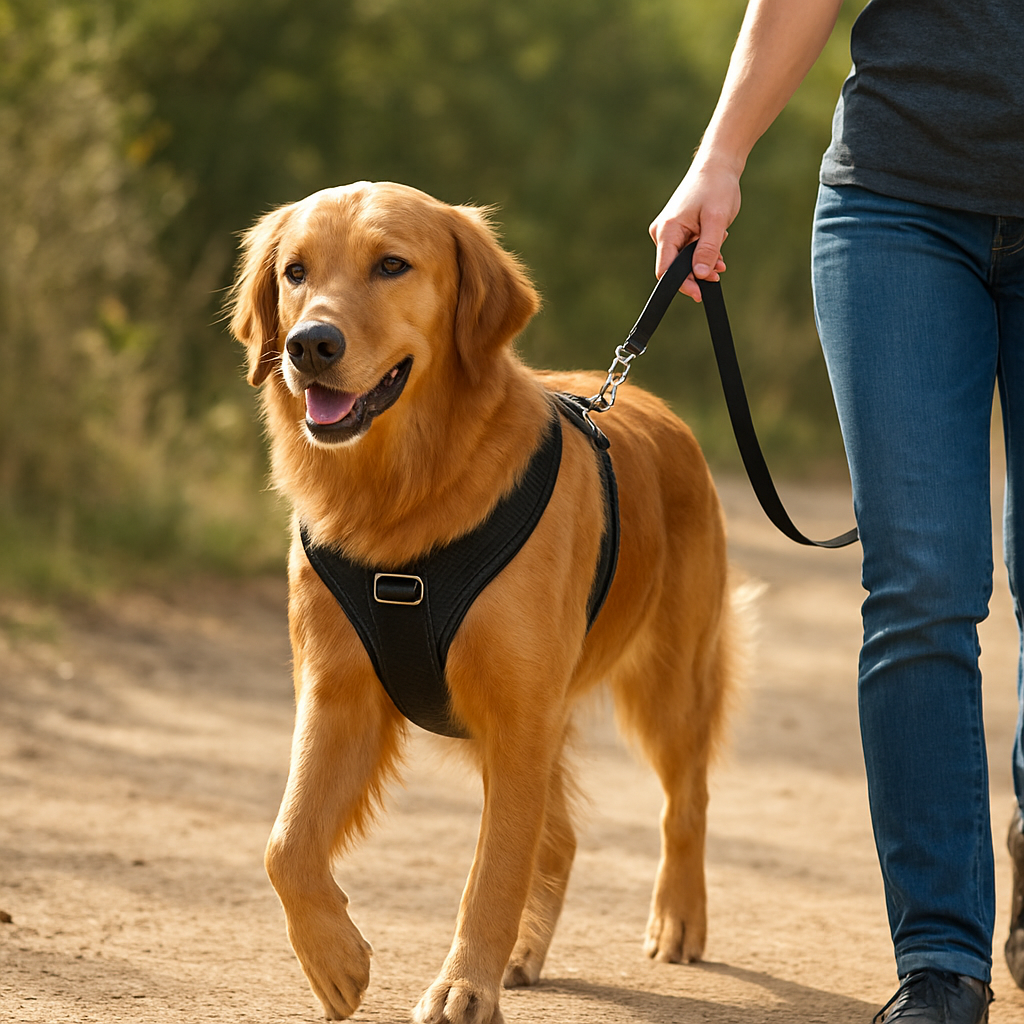
After the fit check, the video moves to a short “trial run” on a quiet sidewalk. Watch as the dog starts to walk beside you, no tug‑tug drama. That’s the harness doing its job. You’ll hear the host point out subtle cues: when the dog pulls, the harness nudges them back in line.
So, what should you do next? Grab a leash, attach it to that front clip, and let your dog explore. The video demonstrates how the harness keeps them close while still letting them sniff and chase a squirrel in the distance. It’s all about balance—free to explore, but not free to pull.
The final segment is a quick recap. Tips pop up on screen: check for a snug fit, keep the belly strap loose, and avoid leaving the harness on during sleep. We end with a friendly reminder that practice makes perfect—do a few short sessions before heading into a busy park.
In short, this video is your cheat sheet to turning a chaotic pull into a calm, side‑by‑side walk. Watch, learn, and give it a try. Your pup will thank you, and so will your shoulders.
Conclusion
What we’ve walked through is more than just a piece of gear—it’s a partnership tool that lets you and your pup sync up without the tug‑tug drama.
First, the no‑pull harness keeps the pressure on the chest, not the neck, so you’re both breathing easier on every stroll.
Second, because the leash no longer rewards pulling, training feels natural, like a game of “follow the lead.”
Third, a well‑fitted harness saves you money on vet visits, new collars, and those little repair bills that pile up over time.
So, what’s the next step? Measure, fit, and test—then add a short training session to reinforce the calm walk.
In our experience, customers who start with the right fit see a 50 % drop in pulling after just a week of practice.
Ready to turn those chaotic walks into relaxed strolls? Grab a harness that fits, treat your pup, and let the leash become a tool for adventure—not a weapon.
And if you’re worried about style, the latest models come in colors that match your home décor or your own wardrobe—no more boring beige gear.
Give it a few days, walk around the block, and notice how the leash feels light as a feather. Your shoulders thank you, and your pup looks like a happy, relaxed friend.
FAQ
What is a no pull dog harness and why should I care?
A no pull dog harness is a specially designed piece of gear that redirects pulling force from the dog's chest and shoulders, rather than the neck. It makes walks feel smoother for you and less painful for your pup. If you’ve ever felt your shoulders cramp after a tug‑tug session, a no pull harness can turn that chaos into calm, side‑by‑side strolling.
How does a front‑clip harness actually stop my dog from pulling?
When your dog pulls, the front‑clip pulls the leash toward the chest. The harness gently nudges the front legs back toward you, forcing the dog to lean forward instead of lunging ahead. It’s like a gentle steering wheel – no force on the neck, just a helpful redirect that keeps them close without feeling restrained.
Can I use a no pull harness on any breed or size?
Absolutely. Most no pull harnesses come with adjustable straps and multiple size charts, so whether you have a tiny Chihuahua or a big Labrador, you can find a snug fit. The key is to measure chest, neck, and body length accurately and then trim the straps to match your dog's shape, not just weight.
Will my dog still have a chance to sniff and explore with a no pull harness?
Yes, the harness doesn’t lock their movement. They can still turn, sniff, and chase a squirrel – it just keeps them within arm’s reach. That means you can enjoy the scenery together while preventing the dog from bolting off into traffic or getting into trouble.
What training steps should I follow once I’ve fitted the harness?
Start with short, quiet sessions in a familiar area. Use treats to reward walking beside you and say a clear cue like “let’s go.” If pulling happens, gently pull the leash toward the front clip to nudge them back. Repeat a few times a day; consistency is more important than intensity.
Are there any safety concerns I should watch out for?
Check the harness regularly for frayed stitching or worn pads. Avoid leaving it on during long naps to prevent skin irritation. Use a leash of 4‑6 feet – too short feels restrictive, too long gives too much freedom. And remember, no pull harnesses are most effective when combined with positive reinforcement, not punishment.
Can a no pull harness help reduce vet visits or collar damage?
By taking the strain off the neck and shoulders, the harness lowers the risk of collar scars and neck injuries that sometimes lead to vet trips. Many owners report fewer vet bills over time because the dog’s gait stays natural and pain-free, saving you money and keeping your pup happier.


