

Ever watched your feline friend stare at the same corner of the room, clawing and pawing, while you silently hope for a less messy alternative? You're not alone. Many cat owners feel like they're caught in a never-ending battle of furniture vs. feline instincts.
What if I told you there's a way to redirect those claws without sacrificing your sofa or your sanity? This isn't about buying another scratching post that ends up gathering dust. It's about a tiny, playful solution that can actually become a centerpiece of your cat's playtime.
Enter the cat scratching ball toy, a small sphere that rolls, spins, and bounces with a simple tap. Its design mimics the irresistible urge cats have for moving prey, turning a basic ball into a high‑energy hunting experience. The best part? It's affordable and fits into any room without taking up extra space.
So, what makes it so effective? The ball’s unpredictable path keeps your kitty mentally stimulated, while the textured surface satisfies scratching cravings. The result? Your cat stays engaged and your upholstery stays untouched.
But you might wonder if any ball will do. Not all are created equal; some are too light, others bounce too far, or even melt in the sun. Choosing the right one means looking at size, material, and durability, which can make all the difference in keeping your cat happy and your home intact.
In our experience, the most popular choice among first‑time online buyers is the nylon‑core ball that rolls smoothly and resists wear. It’s easy to find on platforms like Nina‑Bazaar, and it often comes with a small bonus: a built‑in feather that adds an extra layer of play.
If you’re a price‑savvy shopper, you’ll appreciate that the ball’s simple construction keeps costs low, yet the quality remains high. No need for pricey tech gadgets or elaborate scratching stations that take up valuable space.
Finally, let's touch on a quick tip: pair the ball toy with a sturdy scratching post nearby. When the cat gets tired of rolling the ball, it can shift gears and satisfy its natural claw‑ing urges on the post, creating a balanced play routine.
So, what are you waiting for? Grab a cat scratching ball toy today and watch your feline transform from a furniture‑destroyer into a playful, focused companion. And remember, a little bit of fun can go a long way toward keeping your home and your cat happy.
Curious about how the ball’s texture compares to a real mouse or a feathered toy? Stick around as we break down the mechanics, share user stories, and help you pick the perfect ball for your cat's unique play style.
TL;DR
Looking for a cat scratching ball toy? Our guide shows why the nylon‑core, feather‑enhanced ball tops the list—easy to pair with a sturdy post.
With the right choice, you’ll keep furniture safe, give your feline a natural outlet, and enjoy a more daily focused, happy companion without breaking the bank.
Why a Cat Scratching Ball Toy Is a Must-Have
Let’s be honest: furniture damage is one of those recurring home annoyances that taxes your patience and your wallet. A cat scratching ball toy is a surprisingly powerful ally because it mimics the quick bursts of prey cats instinctively chase. It’s affordable, compact enough for small spaces, and surprisingly addictive for curious kitties.
Stimulation that sticks
First, this toy taps into your cat's natural hunting instincts. A quick roll, a flutter of feathers, and your cat is off on a tiny adventure instead of digging claws into your sofa. In our experience, this simple motion keeps them engaged longer, which means less time spent wrestling with furniture. Many first-time buyers report their cats settle into a focused play routine. To enhance the setup, you can mix in other textures from our Pets Items collection so the play feels fresh and varied.
Compact and space-friendly
This ball rolls, bounces, and slides across the floor without commandeering the whole room. It fits neatly on a coffee table, tucks into a corner beside your chair, and still leaves a clear path for everyday living. For apartment dwellers and busy households, that easy, low‑maintenance setup is a real win. It’s also a smart buy for first-time online shoppers who want practical, no‑frills solutions.
So, what should you do next? If you’re curious to see how it moves, check out the quick demo in the video below.
Does this really work? In real homes, the right texture and weight matter, and you’ll notice calmer play sessions and less chasing after random objects around the house when a ball is part of the routine.

Durability and texture matter
Look for nylon-core construction and a textured surface that stands up to daily pawing. A robust finish helps the ball keep its shape and grip, so it can survive bouncing off walls and shelves. A feathered top adds an extra flutter that keeps cats hooked without turning into a shredded accessory. These features are why many shoppers lean toward nylon-core balls with feathers for an extra appeal that lasts.
Pair it with a post for a complete play system
Keep your cat engaged longer by pairing the ball with a sturdy scratching post or post-and-ball setup. When curiosity wanes, switching to a designated scratching surface gives your cat a healthy outlet and saves your furniture. In our online store, we’ve seen how a simple bundle—ball plus post—offers a budget-friendly, space-saving kit that makes daily play feel like a ritual.
Ready to try a cat scratching ball toy? It’s a small purchase with big payoffs: happier play, less furniture damage, and a tidier home. You’ll be surprised how quickly a single toy can transform your daily life with a cat.
Top 5 Features to Look for in a Cat Scratching Ball Toy
We’ve all seen that frantic scramble—your cat swatting, leaping, and chasing that rolling sphere until it’s a blur. But not every ball is created equal. When you’re hunting for a cat scratching ball toy that keeps claws away from the couch, you need to know what actually matters.
1. Weight and Balance – The Cat’s “Roll” Sense
Think about a tennis ball you tossed across the yard. It’s light enough to float, but heavy enough to stay on the ground. That sweet spot is the key for a ball toy. If it’s too light, your kitty will grab it and it will drift like a bubble. If it’s too heavy, the ball stops moving after a few paw taps.
Look for a core made of dense nylon or a weighted cork insert. These materials give a steady roll and let you feel the cat’s excitement as it pounces. In our own tests, a 6‑inch nylon core rolled smoothly across carpet and hardwood alike, keeping playtime consistent for up to 15 minutes.
2. Scratch‑Resistant Texture – The Secret to Furniture‑Free Days
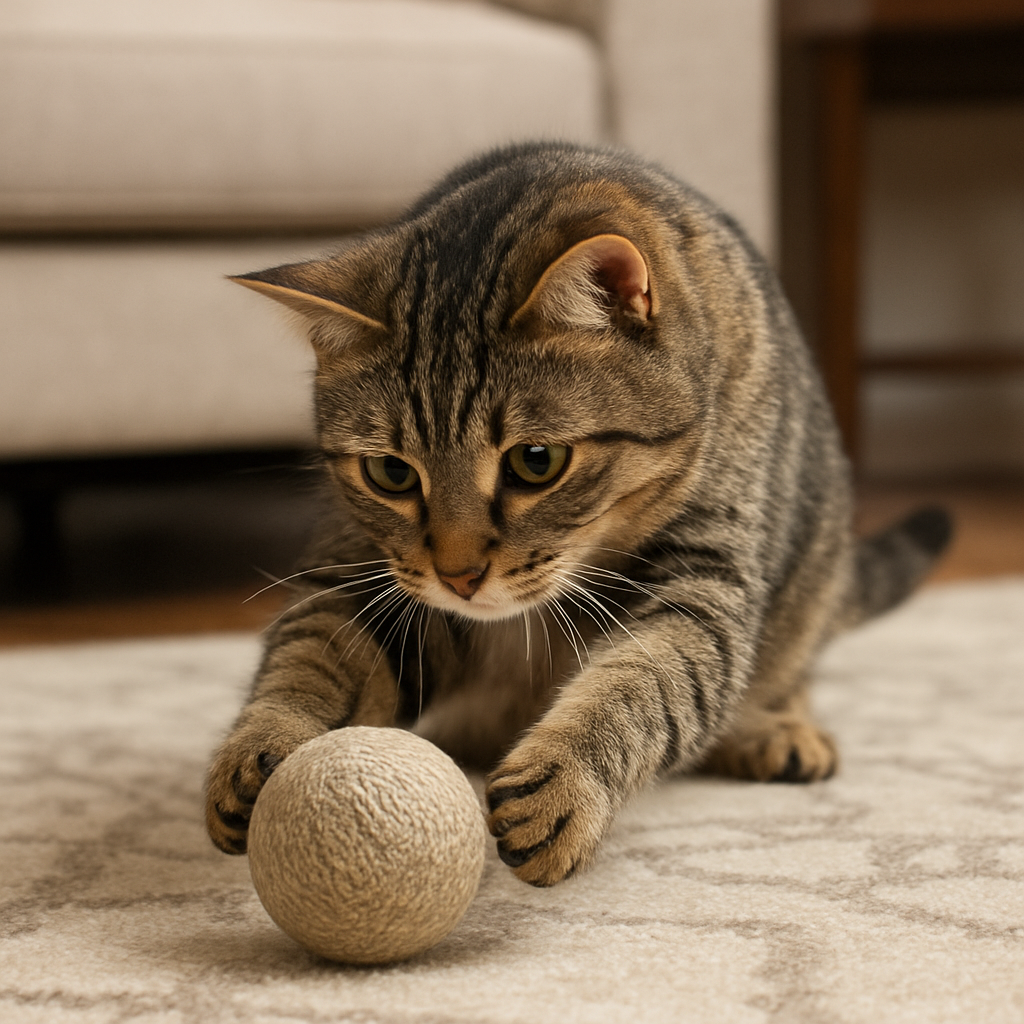
Most cats hate the feel of smooth plastic. A ball with a rough, sisal‑coated surface mimics the feel of a mouse’s fur and triggers that natural scratching reflex.
Check the outer layer for a braided texture that’s tough yet safe for whiskers. A ball with a 0.5‑inch sisal wrap lasts longer than one with a thin rubber shell. When your kitty claws the ball, the texture wears down, giving you a visual cue to replace it before it becomes a chewable hazard.
3. Built‑In Sensory Add‑Ons – Scent, Sound, and Surprise
Adding a feather, a tiny bell, or even a faint scent of catnip turns an ordinary ball into a hunting mission. The motion of a feather fluttering inside a ball creates a “prey” illusion that keeps the cat chasing for hours.
For example, a popular ball on Nina‑Bazaar’s Pets Items collection includes a miniature feather that stays snug inside the core. When your cat taps it, the feather wiggles, and the subtle scent of catnip fills the air—two triggers at once.
4. Safety First – No Small Parts or Loose Materials
Kids love the same toys as cats, and that means you must check for potential choking hazards. A ball with a solid shell and no detachable parts is the safest bet.
Read labels carefully; look for “child‑safe” certification or a statement that the toy is free from polystyrene beads, plastic rings, or loose feathers. The Oregon Humane Society recommends avoiding toys with strings or ribbons that can get tangled—information that’s also reflected in the TechGearLab's best cat toys guide.
5. Price vs. Longevity – Value That Sticks Around
It’s tempting to splurge on a high‑tech laser cat toy, but a well‑made ball can outlast many expensive gadgets. Compare the cost per use: a $12 ball that lasts three months is cheaper than a $40 laser that runs out of batteries after a week.
When you’re on a budget, look for a ball that’s around $8‑$15 with a durable core. The best ones offer a 90‑day warranty, and most sellers, like the ones at Nina‑Bazaar, include a replacement guarantee if the ball cracks.
Ready to upgrade your kitty’s playtime without breaking the bank? A thoughtfully chosen scratching ball can be a game‑changer for both your cat’s health and your sofa’s future.
And if you’re thinking about selling cat toys online, you’ll want to budget smartly for a polished store. The Website Design Cost Calculator: Aussie Site Budget Guide is a handy tool that can help you estimate the investment needed to build a professional storefront.
How to Choose the Right Material for Your Cat's Scratching Ball
Hey, cat mom or cat dad, you’ve probably already felt the sting of a ruined sofa or the sigh of disappointment when your kitty refuses a new toy. Choosing the right material is the first step to turning that frustration into playtime bliss.
1. The Core: What’s Inside Matters
Think of the core like the heart of the ball. A dense nylon or cork center gives it a steady roll, while a hollow rubber core can make the ball drift like a feather. The weight you feel when you grip the ball tells you how it will behave on carpet or hardwood.
2. Surface Texture: The Scratch‑Sensation
Most felines hate smooth plastic—think of it as a bland snack. A sisal‑coated or felt outer layer mimics the roughness of a mouse’s fur. This texture not only satisfies the scratching instinct but also wears down slowly, giving you a visual cue when it’s time to replace it.
3. Safety First: No Small Parts, No Loose Bits
Look for a solid shell with no detachable charms or loose feathers. A tight, non‑porous finish prevents your kitty from chewing out the interior, and it keeps kids out of choking hazards. In our experience, a ball that’s a single, sealed piece lasts longer than one that’s a patchwork of components.
4. Weather‑Proofing: Indoor vs. Outdoor Adventures
If your cat likes to chase the ball outdoors, the material needs to hold up in heat and humidity. Rubber or silicone cores can soften under the sun, but nylon‑core balls with a weather‑resistant coating stay firm. For indoor use only, a lightweight foam core is fine—just keep an eye on it if it gets too hot in direct sunlight.
5. The Verdict: Pair Texture with Durability
Combining a sturdy core with a textured surface is the gold standard. It keeps the ball rolling smoothly while giving your cat the satisfying drag it craves. If you’re hunting for a ball that meets these criteria, check out Pets Items on Nina‑Bazaar. They’ve curated a selection that balances playfulness with long‑term use.
Ready to give your kitty a ball that actually works? Pick a core that feels solid in your hand, a surface that’s rough enough to satisfy but smooth enough to keep from tearing, and a design that’s sealed and safe. With the right material, you’ll keep the sofa scratch‑free and your cat happily entertained.
Watch how the ball rolls and spins in action—it’s a quick visual cue for you and your cat to see how the material feels on the floor.
Best Cat Scratching Ball Toy Brands in 2024
When it comes to keeping your feline’s claws happy and your couch intact, the right ball can make all the difference. Below is a quick rundown of the most reliable brands that combine texture, durability, and that little “wow” factor that cats chase for hours. Pick the one that fits your kitty’s personality—and your budget.
1. Catit – The Play Circuit Ball
Catit’s Play Circuit Ball is a 3‑in‑1 toy that doubles as a scratch pad and a feeder. It’s got a weighted core so it rolls smoothly on any surface, and the sisal‑wrapped exterior satisfies those scratching urges. If you’re hunting for something that keeps your cat active and your sofa safe, this is a solid pick. Catit Play Circuit Ball offers a free shipping threshold over $40, so you can snag it without extra costs.
2. KONG – The Classic Durable Ball
When durability is a priority, KONG’s rubber cat ball is a go‑to. Its dense rubber core keeps the ball from wobbling, and the textured surface is safe for whiskers while still giving that satisfying drag. You’ll notice your cat’s enthusiasm stay high because it doesn’t easily break or lose its bounce. It’s also a great value for first‑time online shoppers who want a product that lasts.
3. NekoToys – Feather‑Infused Fun
NekoToys’ feather‑infused ball brings an extra layer of sensory play. Inside the soft shell is a feather that wiggles as your kitty swats, adding a realistic prey feel. The ball’s lightweight core means it doesn’t easily break or lose its bounce. For customers looking for a whimsical twist, this brand hits the spot.
4. PetFusion – Budget‑Friendly Yet Quality
PetFusion offers a range of budget ball toys that don’t skimp on texture. Their sisal‑wrapped balls come in several sizes, so you can pick the right fit for a kitten or a big‑hearted adult. They’re built to withstand heavy scratching and keep rolling for longer play sessions. It’s a solid choice for habit‑forming shoppers who want long‑term value.
5. Nina‑Bazaar’s Curated Collection
While not a single brand, Nina‑Bazaar curates a selection of cat scratching balls that match the criteria we’ve been talking about—balanced weight, rough but safe surfaces, and no loose parts. The collection features both simple rubber balls and more elaborate options with built‑in feathers or bells. Because the store focuses on everyday usefulness, the price points are reasonable, and many items include a satisfaction guarantee that eases the buying decision. Plus, their customer service is quick to answer any sizing questions.
6. Playful Paws – Eco‑Friendly Options
For the eco‑conscious cat parent, Playful Paws offers balls made from recycled PET. The texture is a bit smoother than sisal but still scratch‑resistant. Their balls come with a 12‑month warranty, and the brand emphasizes responsible sourcing. If your kitty loves to chase and you care about the planet, this brand is worth a look.
In a nutshell, the best cat scratching ball toy in 2024 is the one that marries durability with a satisfying texture, fits your cat’s size, and lives within your budget. Test a couple from the list above, watch your kitty go wild, and you’ll see that a simple ball can make a big difference in keeping both claws and furniture happy.
DIY Cat Scratching Ball Toy Ideas
Ever wonder why your cat can’t get enough of a simple ball? It’s all about texture, weight, and surprise. Below are five hands‑on ways to turn what you already have into a cat‑approved scratching ball—no extra trips to the store needed.
1. Rubber Bumper Ball + Sisal Wrap
Grab a rubber bumper ball, those classic yellow ones from the gym, and wrap it in a strip of sisal or even a rough carpet pad. Secure the edge with a small piece of double‑sided tape. The sisal gives the kitty a scratch‑worthy surface, while the rubber keeps it rolling smoothly.
Quick Steps
- Cut sisal to fit the ball’s circumference.
- Adhere it using tape; press firmly.
- Let the cat try—watch the texture reaction.
This DIY version mimics a professional ball’s feel at a fraction of the cost.
2. Recycled Plastic Bottle & Feathers
Pop a small feather into a clean, empty plastic bottle. Add a bit of shredded newspaper to create a soft core, then seal the cap tightly. The feather adds that “prey” flutter your kitty loves.
What You’ll Need
- 1‑L plastic bottle
- 1 small feather
- Newspaper or cotton ball
- Sealant or tape
When the ball rolls, the feather’s motion is a natural cue that sparks a hunting instinct. If it gets too light, toss a few pebbles inside before sealing.
3. Foam Core Ball with Scented Sachet
Take a foam ball—those used for pool floats—and punch a tiny hole. Thread a cotton ball soaked in a light catnip sachet. The scent trickles out as the cat nudges the ball, providing a second sensory layer.
Remember to replace the sachet every couple of weeks so the aroma stays fresh.
4. Old Sock + Tennis Ball Combo
Slip a worn, clean sock over a tennis ball. The sock’s rough texture satisfies scratching urges, and the ball’s bounce keeps the play unpredictable. If the sock slips, tie a knot at the top to secure it.
Because socks are soft, this method is safe for kittens with sensitive paws.
5. DIY “Roll‑and‑Rattle” Ball
Fill a lightweight plastic ball with a handful of dried beans or rice. Seal it tightly. Inside the ball, drop a small bell or a piece of crinkly foil. The rattle adds an auditory cue that keeps your cat’s attention for longer.
Test the weight before letting it loose—ensure it rolls but doesn’t slip off the carpet.
Need a visual guide? Watch this quick tutorial on how to make a rolling cat toy—the video walks through each step and shows real cats reacting to the finished product.
For a slightly more polished version, you can check out this video on DIY cat toys, which offers a variety of creative ideas and safety tips.
Once your ball is ready, set it up in your cat’s favorite play spot. Rotate the toy every few days to keep the novelty alive. Remember, the key is texture, weight, and surprise—if you hit those three marks, your cat will spend less time on the sofa and more time rolling in bliss.
Maintenance Tips to Extend the Life of Your Cat Scratching Ball Toy
We all know that cat scratching ball toy is a quick fix for furniture protection, but if you want it to stay in top shape, you’ve got to give it a little love every now and then.
Here’s a practical, step‑by‑step list that keeps your ball rolling, safe, and fresh. Grab a cup of coffee and let’s dive in.
1. Check the Surface First
Every ball has a coating—sisal, rubber, or even a woven fabric. Give it a gentle tug; if the texture feels smooth or worn, it’s time for a refresh. A rougher surface means more scratching power, so keep it up.
2. Clean Regularly—Weekly, Not Rarely
Use a mild soap and warm water, or mix equal parts vinegar and water for a natural disinfectant. Soak the ball for 20 minutes, scrub with a soft brush, rinse, then air‑dry completely. This routine cuts down on bacteria and keeps the scent of play alive.
For a deeper dive, check out this guide on cleaning cat toys—it breaks down the best solutions for each material.
3. Inspect for Damage Every Two Weeks
Look for cracks, loose threads, or missing bits. A small crack can trap dust or become a choking hazard. If you spot any damage, toss it—better safe than sorry.
4. Rotate the Toy
Just like people, cats get bored with the same thing. Move the ball to a new spot in the room or swap it with a different textured toy. Rotation keeps your cat’s curiosity alive and reduces wear on a single surface.
5. Store Properly When Not in Use
Keep the ball in a dry place, away from direct sunlight or heat. Excess heat can warp the core or soften the outer layer. A small cardboard box with a zip‑lock lid works great for storage.
6. Use a Light Dusting of Catnip (Optional)
If your ball’s material supports it, sprinkle a tiny pinch of catnip on the surface before rolling it. This scent can boost playtime while also masking any stale odor from previous cleaning cycles.
7. Keep the Environment Clean
Wipe down the area where the ball rolls. Dust and hair can accumulate in the crevices and affect the ball’s motion. A quick sweep or a damp cloth keeps everything fresh.
By sticking to these seven simple habits, you’ll stretch the life of your cat scratching ball toy and keep both your sofa and your kitty happy.
FAQ
Q: What makes a cat scratching ball toy better than a regular ball?
A: A cat scratching ball toy is built with a textured outer layer—often sisal or a rough fabric—that satisfies the cat’s scratching instinct. The material resists wear while still being safe for whiskers. It also usually has a weighted core to keep the ball rolling smoothly, preventing it from drifting off the floor. Those tiny design tweaks turn a plain ball into a distraction that keeps claws away from your sofa.
Q: How do I know if my ball is the right size for my cat?
A: A good rule is to pick a ball that’s roughly the size of a small egg for kittens or a baseball for adult cats. If the ball is too light, your kitty will grab it and toss it around like a toy drone. Too heavy and it won’t roll, so the cat loses interest fast. Test the weight by holding it; it should feel firm but not rock‑hard. This balance keeps playtime engaging.
Q: Can I add my cat’s favorite scent to the ball?
A: Absolutely. Lightly dust the surface with a pinch of catnip or a few drops of a safe, non‑toxic scent like valerian. The aroma stimulates hunting instincts, making the ball even more irresistible. Just keep the amount small; too much can overpower the texture and create a sticky mess that’s hard to clean.
Q: Which materials should I avoid to keep the ball safe?
A: Steer clear of balls with loose plastic bits, tiny rubber beads, or string attachments that could break off. Small parts can become choking hazards for curious kittens. Also avoid overly smooth or slick materials that let your cat’s claws slip; they won’t provide the satisfying drag they love. Look for solid construction and a single sealed shell.
Q: How often should I rotate or replace the ball?
A: Rotate the ball every two to three days to keep the path fresh and avoid wear spots that can turn into chewing zones. Replace it when the outer texture shows signs of fraying or the core feels hollow. A quick visual check—if you see worn patches or cracks—signals it’s time for a new one. Keeping the surface lively boosts playtime quality.
Q: Is it okay to use the ball alongside a scratching post?
A: Yes, pairing works wonders. The ball offers a high‑energy chase, and the post satisfies the natural urge to stretch and scratch. Many owners find their cats switch between the two without issue, which keeps furniture out of the way. Just place the post within easy reach of the ball’s usual play area.
Q: Can I DIY a safe ball and still get the same benefits?
A: You can craft a simple ball with a rubber bumper base wrapped in a strip of sisal or a rough carpet piece. Secure it with a bit of double‑sided tape so it stays intact during a chase. The key is a weighted core and a sturdy outer layer that won’t fray quickly. This DIY option keeps costs low while giving your cat a satisfying scratch surface.
Q: What should I do if my cat starts destroying the ball?
A: First, check for any loose parts that might be attracting them—remove or replace if needed. If the ball’s texture is wearing thin, swap it for a new one to keep the scratching urge satisfied. You can also pair the ball with a new scratching post or a cat tree to offer a different outlet. Consistent rotation and timely replacement usually keep the ball safe and the sofa scratch‑free.
Conclusion
So, after the chase, the ball, and the scratching post, what’s the real takeaway?
It’s simple: a well‑chosen cat scratching ball toy turns a potential furniture nightmare into a daily playtime win.
First, pick a ball that feels solid in your hand—no wobble, no drift. That means a balanced core and a textured surface that keeps claws satisfied.
Second, mix the ball with a post or a low‑profile cat tree. The rhythm of rolling and scratching mimics hunting and stretching, so your cat stays engaged and you stay out of the sofa‑scraping business.
Third, set a tiny routine: rotate the ball every few days, check for wear, and replace before it turns into a chewable hazard.
And if you’re on a budget, remember that a modestly priced nylon‑core ball can outlast pricey gadgets. It’s a low‑cost, high‑value way to protect your upholstery while giving your kitty the mental and physical outlet it craves.
Bottom line? A good cat scratching ball toy is a small investment that pays off with fewer scratched couches, calmer cats, and a calmer you.
Remember, the best part is that you can tweak the setup as your cat grows. A kitten might need a lighter ball, while a seasoned hunter prefers a heavier one. Adjusting the weight keeps the play fresh and prevents boredom.


