

Ever wondered why your pup’s coat looks dull after every bath? It’s often a sign that the shampoo isn’t talking to your dog’s skin the way it should. A hypoallergenic dog shampoo is designed to keep those sensitive skin zones calm while still getting the job done—no more itching, no more red patches, just a shiny, healthy coat.
First‑time buyers are especially nervous about picking the right product. You might think “just any shampoo will do,” but a lot of common brands contain fragrances or harsh surfactants that can aggravate skin allergies. What’s the difference? A hypoallergenic formula skips the heavy scents and uses gentle, natural cleansers like oat extract or chamomile, which soothe and moisturize without the irritation.
Let’s break it down into three quick steps you can follow right now:
- Read the ingredient list—look for oat, aloe, or calendula, and avoid parabens, sulfates, and synthetic fragrances.
- Check for a dermatologist or vet recommendation; many pet‑care stores list the best hypoallergenic options.
- Test on a small patch before a full bath to make sure your dog tolerates it.
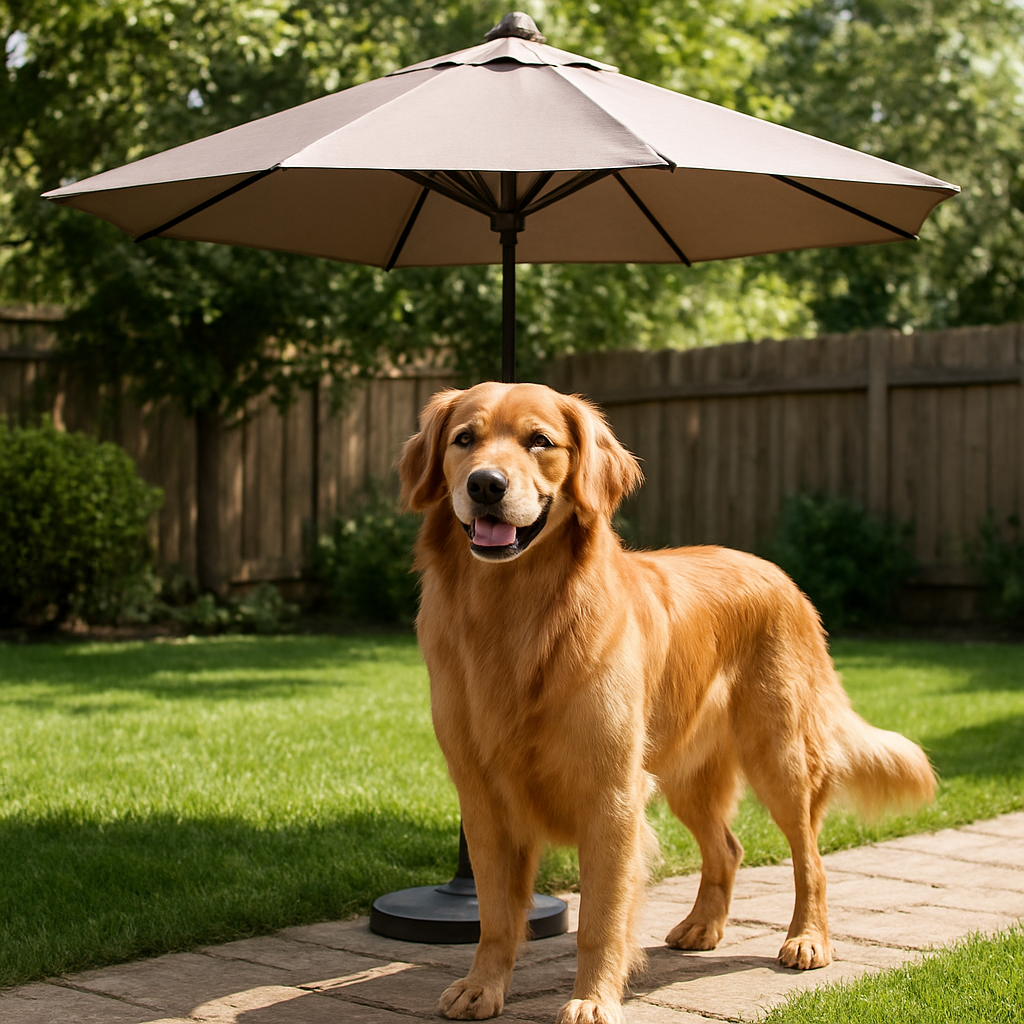
Imagine a summer afternoon on your patio. Your dog is outside, wagging, but the heat is making their skin dry. This is where a comfortable, shaded spot becomes a grooming sanctuary. A good hypoallergenic shampoo works best when your dog is rested and cool—think of a shaded porch or a canopy. If you’re looking to create that perfect spot, you might want to explore shade solutions that keep the pup comfortable after every wash.
Do you ever feel like you’re juggling too many pet products? One simple trick is to choose a brand that bundles a hypoallergenic shampoo with a mild conditioner. That way you’re getting two great products in one package—less clutter, more results. It’s the same principle many shoppers use for travel kits or meal prep—keep it simple and effective.
If you’re a first‑time pet owner or just hunting for the best price, Nina‑Bazaar’s Pets Items section offers a range of budget‑friendly hypoallergenic shampoos that don’t sacrifice quality. The reviews say it’s easy to apply and leaves your dog’s coat soft enough to feel like a new coat of paint.
And when you’re planning that perfect outdoor grooming session, you might also consider adding a shade umbrella from Umbrello to keep your pup cool and protect their skin from the harsh sun.
So, what’s the next step? Pick a gentle formula, test it, and pair it with a cool, shaded environment. Your dog will thank you with a happy wag and a glossy coat that says, “I feel good.”
TL;DR
A hypoallergenic dog shampoo that’s fragrance‑free, oat‑based, and gentle makes every bath feel like a spa for your pup’s skin. Combine it with a shaded outdoor spot and a mild conditioner bundle, and watch your dog’s coat stay soft, itch‑free, and wag‑ready for every quick wash in your garden outside.
Step 1: Identify Your Dog's Skin Sensitivities
Before you even pick a bottle of hypoallergenic dog shampoo, you gotta know what’s making your pup itch. Skin allergies can be as sneaky as a puppy stealing your socks—one minute it’s fine, the next your dog is scratching like they’re in a rave.
So, how do you spot the trouble spots? Start by doing a quick skin check. Look for red patches, flakes, or that familiar ring‑like redness around the ears, paws, or belly. If you see any of those, it’s a clue that something in the environment or in their grooming routine is playing a villain.
Now, pull the leash out of your hand and take a walk. Watch for reactions to outdoor scents—pollen, grass, or even that new lawn detergent. A sudden flare‑up after a walk often points to an environmental trigger.
Once you’ve pinpointed where the discomfort is, it’s time to do a patch test. Take a small amount of your current shampoo and apply it to a narrow strip of skin—ideally a place your pup doesn’t normally get washed. Wait 24 hours and see if any redness or itching crops up. If it does, that shampoo isn’t the right fit.
When you’re ready to shop, consider the ingredients that calm rather than irritate. Oatmeal, aloe, and chamomile are the good guys in many hypoallergenic formulas. Avoid products with heavy fragrances or harsh surfactants. If you want a quick win, check out Pets Items, where we’ve highlighted several budget‑friendly options that keep the skin happy.
Think about your grooming space too. If you’re washing your dog in a shaded patio or a covered area, the cooler temperature keeps the skin from drying out. A good shade umbrella can make a big difference, and Umbrello offers some sturdy options that blend style with function.
While you’re at it, you might also want to keep your entire pet household comfortable. If you have a cat or other fur‑friends, cat scratching post guide can help you create a pet‑friendly home that reduces stress for everyone.
Let’s switch gears for a moment: here’s a quick visual walkthrough that shows how to read the ingredient list on a shampoo label. It’ll help you spot the good stuff fast.
Now that you’re armed with knowledge, it’s time to choose a formula that actually talks to your dog’s skin.
Step 2: Evaluate Key Ingredients for Hypoallergenic Effectiveness
Let’s get real—when you’re hunting for the next hypoallergenic dog shampoo, the label can feel like a maze. You’re probably scrolling through ingredients like you’re looking for hidden treasure, wondering which ones actually make a difference for your pup’s sensitive skin.
First, think about what your dog’s skin is actually needing. Oatmeal, aloe vera, and chamomile are the MVPs in the hypoallergenic world. They soothe inflammation, lock in moisture, and don’t come with the chemical baggage that can trigger itching. On the flip side, keep an eye out for sodium lauryl sulfate, parabens, and synthetic fragrances—those are the usual suspects that can irritate even the most resilient coats.
Read Between the Lines
When you skim the ingredient list, start by spotting the natural cleansers. Look for words like "oat extract," "aloe," or "coconut oil." If you see those, you’re already on the right track. Then double‑check the order: the first few ingredients are the biggest contributors, so if you spot a long list of sulfates right up front, that’s a red flag.
Here’s a quick cheat sheet you can use during the next shop:
- Good: Oatmeal, aloe, chamomile, coconut oil, witch hazel.
- Bad: Sodium lauryl sulfate, parabens, phthalates, synthetic dyes.
- Neutral: Glycerin, essential oils (if they’re truly natural and not mixed with chemicals).
Why Ingredient Choice Matters
Imagine a pup that wakes up from a bath with a rash. That’s not just an uncomfortable moment; it’s a sign that the shampoo’s chemistry is out of sync with their skin’s natural pH. Oatmeal is a gentle cleanser that respects that pH, while sulfates strip it away, leading to dryness and irritation.
When you pick a product that’s free from harsh detergents and artificial fragrances, you’re basically giving your dog a spa treatment that respects their biology. That’s why many veterinarians and pet‑care experts champion oat‑based formulas for sensitive breeds.
Actionable Step: The Patch Test
Even if a shampoo looks perfect on paper, the only way to know for sure is a patch test. Take a small amount of the product and rub it into a discreet spot on your dog’s flank. Let it sit for 24 hours, then observe. If no itching, redness, or swelling shows up, you’re good to go for a full bath.
Doing this at home saves you from costly vet visits and helps you catch a bad reaction before it turns into a bigger problem.
Balancing Cost and Quality
We know that first‑time buyers and budget‑conscious shoppers want a product that won’t break the bank. The good news? You can find high‑quality hypoallergenic options at a mid‑range price point. Look for brands that list oat or aloe as their top ingredients without adding a laundry list of preservatives.
When you shop, don’t just chase the cheapest label. Think of the shampoo as an investment in your dog’s comfort—sometimes paying a little more upfront saves you from the cost of treating skin conditions later.
Where to Find the Right Shampoo
Our full range of pet products includes several hypoallergenic shampoos that feature oat, aloe, and coconut. We’ve curated this selection based on ingredient transparency, customer feedback, and value for money. Whether you’re a first‑time buyer or a seasoned pet‑parent, you’ll find something that fits your style and budget.
Beyond the Bottle: Create a Skin‑Friendly Environment
Choosing the right shampoo is just the first part of the puzzle. The bathing environment matters too. A cool, shaded spot on your patio or a well‑ventilated indoor space keeps skin from drying out after rinsing. Pair that with a gentle, fragrance‑free conditioner, and your dog’s coat stays soft and itch‑free.
And if you’re looking to extend that care into your garden, consider resources that help you keep your outdoor space pet‑safe and chemical‑free. For tips on creating a garden that’s both beautiful and dog‑friendly, check out Experience Gardening—they’ve got practical advice that works for pet owners who want their lawns to be as safe as they are stylish.
By focusing on ingredient quality, testing thoughtfully, and setting up a soothing bath area, you’re giving your dog the best chance to enjoy a gentle wash that actually works. That means fewer red patches, less scratching, and a shiny coat that shows off how happy your pup is.
Step 3: Compare Top Hypoallergenic Dog Shampoo Brands
Now that you’ve got the itch of what you’re looking for, let’s put the contenders on a stage and see who actually delivers. Picture this like a grocery store aisle, but instead of cereal, it’s oat‑infused, fragrance‑free washes. We’ll break down three standout brands that show up in both vet panels and your favorite online shops.
We Love Doodles 4‑in‑1 Dog Shampoo
If you’ve ever watched a doodle tumble in the tub, you’ll know how hard it can be to keep that coat untangled. This brand’s 4‑in‑1 formula is a game‑changer: cleanse, condition, detangle, and deodorize—all in one. The base is coconut oil and aloe, so it’s gentle enough for puppies and old dogs alike. Vet‑verified reviews from a PetMD panel back its soothing power, especially for itchy or flaky skin.
Why it shines
- Oatmeal & coconut oil keep the coat shiny without stripping natural oils.
- No sulfates, parabens, or synthetic dyes—ideal for the hypoallergenic list.
- All‑in‑one saves time and money for busy pet‑parents who shop online for value.
Burt’s Bees Hypoallergenic Dog Shampoo
Known for their natural human skincare, Burt’s Bees carried that philosophy into pet care. The formula relies on honey and soy extract to moisturize and soothe, with a mild lavender scent that most dogs tolerate.
What it offers
- Fragrance‑free option for dogs that react to scent.
- Light lather for quick rinses—great for the quick‑in‑and‑out bath.
- Affordable price point, making it a go‑to for first‑time buyers.
Earthbath Hypoallergenic Dog Shampoo
Earthbath keeps it pure—just plant‑based surfactants and oat extract. The brand’s “no‑fragrance, no‑synthetic” tagline is more than a marketing line; it’s a commitment that resonates with vet recommendations from the PetMD vet panel.
Key highlights
- Zero artificial fragrance—perfect for dogs with severe allergies.
- Eco‑friendly packaging for the environmentally conscious shopper.
- Mid‑range price that balances quality and budget.
Quick Comparison at a Glance
| Brand | Key Features | Ideal For | Price Range |
|---|---|---|---|
| We Love Doodles 4‑in‑1 | Cleanse, condition, detangle, deodorize | All breeds, especially doodles | $19‑$25 |
| Burt’s Bees Hypoallergenic | Honey & soy moisturize, mild scent | Budget shoppers, scent‑sensitive dogs | $12‑$15 |
| Earthbath Hypoallergenic | Plant surfactants, no fragrance | Eco‑friendly families, severe allergies | $16‑$20 |
Now, which one fits your pup’s personality? Think of the coat type, the dog’s allergy history, and how much time you’re willing to spend. If you’re juggling a busy schedule, the We Love Doodles 4‑in‑1 can cut a lot of hassle out of bath time. On the other hand, if fragrance is a deal‑breaker, Earthbath’s scent‑free line is a safe bet.
Before you hit “buy,” here’s a quick decision checklist: Do you need a detangler? Do you shop online for value? Is your dog prone to severe itching or hot spots? Answer those questions, glance at the table, and you’ll be set.
For more in‑depth reviews, a vet‑verified guide can help you navigate ingredient lists and vet endorsements. Check out PetMD’s vet‑verified guide for a deeper dive into why certain ingredients matter.
If you’re looking for a brand that blends convenience with clinical backing, the We Love Doodles 4‑in‑1 is hard to beat. For a gentle, scent‑free option, Earthbath stands out. And if you want a budget‑friendly, mild‑scent alternative, Burt’s Bees offers solid value.
Bottom line: test one on a patch first, then see which formula keeps your dog’s skin calm and coat shiny. The right hypoallergenic dog shampoo can turn a stressful bath into a spa moment for your furry friend.
Step 4: Incorporate a Proper Washing Routine to Maximize Allergy Relief
Let’s talk about the rhythm of bath time. A steady, predictable routine can calm a nervous pup and give your hypoallergenic dog shampoo the chance to do its job. When the bath feels like a ritual, the dog’s skin stays relaxed and less likely to flare up. Think of it like a morning stretch for a human – it sets the tone for the whole day.
First thing is the prep. Gather everything before you start: a cup for rinsing, a towel, the shampoo, a brush, and a small bowl of lukewarm water. Having your tools within arm’s reach keeps the flow smooth and reduces the chances of rushing. In our experience, a well‑organized station makes the whole process feel less like a chore and more like a moment of bonding.
Set the temperature right. Dogs can feel heat as much as we do, so aim for warm, not hot. A good rule is to test the water with your wrist – it should feel like a comfortable bath, not a sauna. A proper temperature keeps the skin’s natural oils from evaporating too quickly.
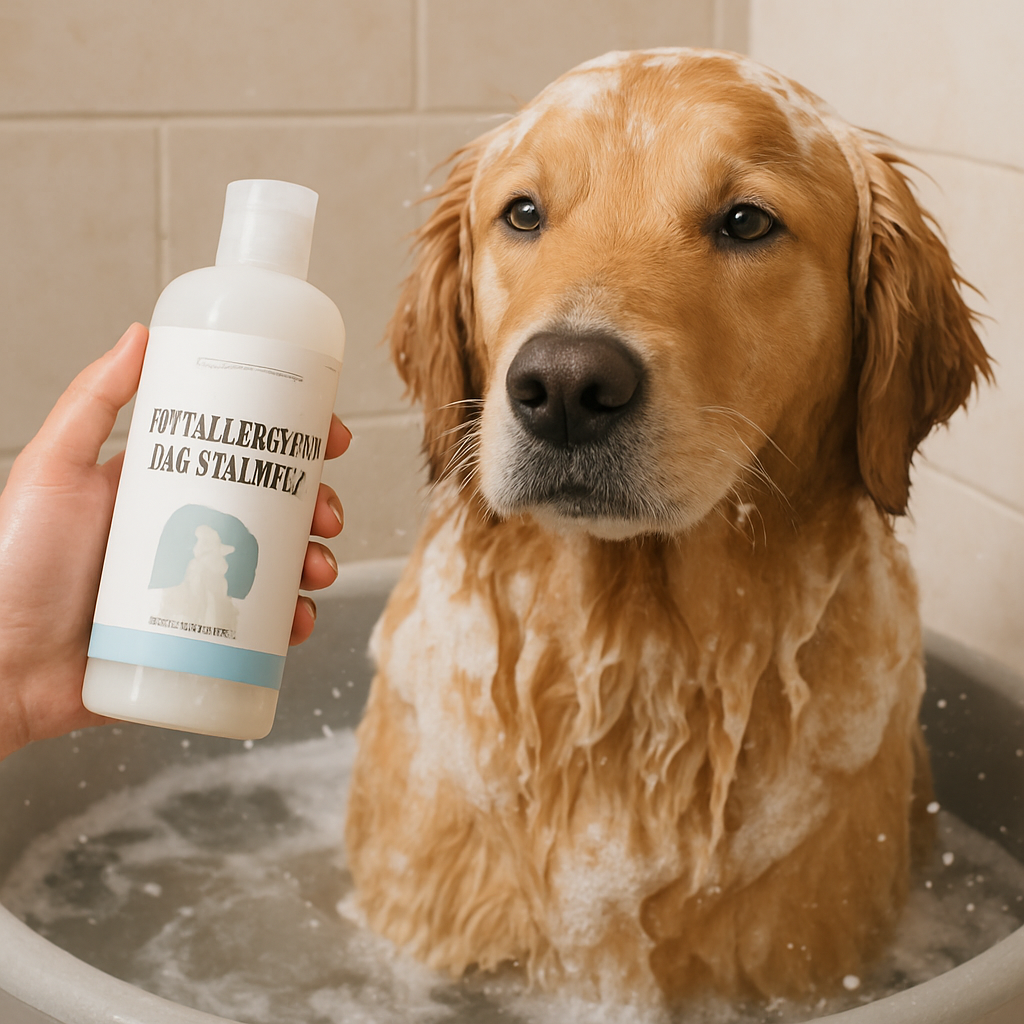
Use the right amount of shampoo. A pea‑sized drop is plenty for most breeds, but larger dogs might need a little more. Too much product can leave residue that irritates the skin. Swirl the shampoo in water first to create a light lather before applying; this reduces the need for a heavy hand.
Lather carefully. Start at the neck and work your way down the back, then the belly, ears, and paws. Massage in gentle circles – your fingertips are just as gentle as a pet brush. This not only cleans but also stimulates circulation, helping the hypoallergenic formula penetrate deeper.
Massage the skin. When the lather is on, pause for a minute and run your hands over the coat. This gentle pressure helps loosen any dirt trapped in the fur and encourages the shampoo to work on the skin’s surface. It’s a tiny extra step that can make a big difference in allergy relief.
Rinse thoroughly. Residue is the enemy of sensitive skin. Use a cup or handheld shower head to pour clean water over the coat, making sure every bit of shampoo is gone. A quick rinse after the lather phase is enough; a long soak isn’t necessary unless the dog has a skin condition that requires extended cleansing.
Dry gently. Wrap the pup in a towel and pat, don’t rub, to avoid friction. If you have a pet‑friendly dryer on a low heat setting, use it sparingly; high heat can dry out the skin. A dry coat is less likely to trap allergens and is a happier place for a hypoallergenic dog shampoo’s benefits to linger.
Post‑bath care. Apply a light coat of a veterinarian‑approved hypoallergenic conditioner if your product includes one. Let it sit for a couple of minutes before rinsing again. This extra step locks in moisture and can soothe any residual itchiness.
Consistency is key. Dogs thrive on routine, and a regular bathing schedule (usually once a week for sensitive skin) keeps the coat healthy and the allergies at bay. Stick to the same order of steps each time so the dog knows what to expect and stays calm.
Watch for signs. After a few baths, notice if there’s less redness or itching. If a rash reappears, revisit the water temperature or the amount of shampoo used. A quick adjustment can resolve most issues before they become bigger headaches.
Adjust routine. If your pup still gets itchy, try shortening the bath time or switching to a brand with extra soothing ingredients like oatmeal or chamomile. Don’t forget to keep the environment cool; a drafty bathroom can aggravate dry skin.
Quick checklist.
• Gather tools before starting.
• Test water temperature.
• Use a pea‑sized amount of hypoallergenic dog shampoo.
• Lather from neck to paws.
• Massage for 1 minute.
• Rinse until clear.
• Pat dry, then condition if needed.
• Observe for reactions.
Bottom line. A proper washing routine turns a routine bath into a soothing ritual that maximizes the allergy‑relief powers of your hypoallergenic dog shampoo. With the right steps and a calm environment, your dog will thank you with a happy wag and a coat that feels soft and itch‑free.
Remember, the goal isn’t just cleanliness—it’s comfort. When your routine feels natural, the dog’s skin stays balanced, and the hypoallergenic dog shampoo does its job without irritation. Keep it simple, keep it consistent, and watch the difference unfold.
Conclusion
You’ve seen how the right hypoallergenic dog shampoo can turn a bath into calm.
So, what should you keep in mind? First, always check the ingredient list daily for oat, aloe, or chamomile. These gentle botanicals soothe inflammation without the sting of synthetic fragrances.
Second, don’t forget the bath environment. A cool, draft‑free spot keeps skin balanced; a quick rinse removes residue that could trigger itching.
In practice, a 1‑minute massage after lather lets the formula penetrate deeper, giving your dog a longer‑lasting relief from itch.
If a rash or redness shows up, pause for a patch test. A small spot left to sit for 24 hours can save you a trip to the vet.
A towel pat after drying helps lock in moisture and keeps the coat smooth.
So, what’s next? Gather your oat‑based shampoo, set up a cool spot, and treat bath time like a mini‑spa ritual. Your dog will thank you with a wag that says, ‘I feel great,’ and a tail that sways.
Remember, consistency beats perfection. A routine, the same gentle steps, and a voice create a rhythm that lets your pup relax before, during, and after wash. Your dog will feel safe and loved.
FAQ
1. How do I know if my dog needs a hypoallergenic shampoo?
Notice red patches, flaky skin, or a sudden increase in scratching after a bath. If those signs pop up, it’s a hint that your current wash isn’t speaking to your pup’s skin. A hypoallergenic option can calm irritation by avoiding harsh sulfates and synthetic scents. It’s a simple switch that keeps the coat healthy and the skin happy.
2. Can I use regular dog shampoo if I only have occasional baths?
Regular shampoos often contain fragrances and detergents that strip natural oils. Even a single harsh wash can trigger itching in sensitive dogs. If your pup has a history of allergies or dry skin, stick with a fragrance‑free, oat‑based formula. It’s a quick, risk‑free step that saves future vet visits.
3. What ingredients should I look for in a hypoallergenic dog shampoo?
Look for oat extract, aloe vera, or chamomile. These botanicals soothe inflammation and lock in moisture. Avoid sodium lauryl sulfate, parabens, and artificial fragrances. The first few ingredients on the label give clues about potency—if surfactants lead the list, the product may be too harsh.
4. How do I perform a patch test at home?
Apply a pea‑sized amount of shampoo to a discreet spot on your dog’s flank. Leave it for 24 hours, watching for redness, swelling, or itching. If nothing happens, you’re good to proceed. If irritation shows up, switch brands. It’s a quick, risk‑free step that saves future vet visits.
5. Why is the bath environment so important for sensitive skin?
A draft‑free, cool spot keeps the skin’s natural pH balanced and prevents moisture loss. A warm, drafty area can dry out the coat, while a hot shower can strip protective oils. Set up a shaded corner or a small tent in the yard; it turns bath time into a soothing ritual.
6. Can I add a conditioner after a hypoallergenic shampoo?
Yes, if the conditioner is also fragrance‑free and contains gentle humectants like glycerin or oat. It locks in the moisture the shampoo has left behind. Apply a light coat, leave for a minute, then rinse. It keeps the coat silky without adding irritation.
7. How often should I bathe a dog with sensitive skin?
Most vets recommend once a week, or every 10–14 days. Over‑washing can strip natural oils and worsen dryness. Use a gentle routine: lukewarm water, short lather, thorough rinse, and a quick pat dry. Consistency is key; it keeps the skin calm and reduces the need for extra baths.
8. Can I use a human hypoallergenic shampoo on my dog?
While some human brands claim to be mild, dogs have different skin pH and sensitivity. Human shampoos often contain fragrances or preservatives that are fine for us but can irritate canine skin. It’s safer to stick with a formula that’s specifically designed for pets, where the surfactants are gentle and the fragrance is truly fragrance‑free. If you’re on a tight budget, look for a pet line that lists oat or aloe; it’ll do the job without risking a flare‑up.


