

Ever felt like your everyday pants just drag you down? You’re not alone. Most guys think the only slim‑fit option is the same stuff that looks good on the runway but feels like a tight hug all day.
The truth is, a good pair can turn a chaotic Monday into a smooth groove. A well‑fitted pair cuts the bulk, lets you breathe, and gives you that effortless confidence when you step into a meeting or a coffee date.
So what makes a pair truly slim yet comfortable? Think fabric, cut, and waist design. Breathable cotton blends or lightweight polyester keep you cool, while a relaxed waistband lets you move without the dreaded pull.
And here’s where the real magic happens: a slightly tapered leg that skims the foot without digging. That subtle drop at the ankle keeps the silhouette sleek without compromising ease.
If you’re new to online shopping, the biggest worry is fitting. Use our quick size guide, read the material notes, and remember that most of our men’s slim fit casual pants are designed with a mid‑waist and a bit of stretch. Try them on at home, and you’ll notice the difference instantly.
But don’t just take my word for it. In our experience, customers who picked the breathable cotton version reported fewer hot spots and a cleaner look after a long day. Others who chose the stretch‑yarn mix liked the freedom to jog to the office without feeling boxed in.
Now, if you’re looking to pair your new pants with the perfect accessory, why not consider the glasses you’ll wear? A cohesive look can elevate your style instantly. Learn how to choose eyeglass frames for face shape here for a polished finish.
You’re probably wondering if the price fits your budget. At Nina‑Bazaar.com, we offer competitive pricing without compromising quality. Check out our collection of Men’s Pants and find a pair that feels like it was made just for you.
Remember, the right pair of slim‑fit casual pants isn’t just about looks; it’s about feeling at ease, staying cool, and looking sharp. Grab a pair that works for you, slip into confidence, and let the rest of your day flow naturally.
TL;DR
Grab the perfect pair of men’s slim fit casual pants that feel like a second skin, balancing style, comfort, and affordable pricing all in one go. With breathable fabrics, mid‑waist ease, and a subtle tapered leg, they let you move from coffee chats to boardroom talks without missing a beat.
Step 1: Understand the Fabric – Which Materials Make the Best Slim Fit Casual Pants?
You’ve probably tried a few pairs and felt that nothing quite hits the sweet spot—too stiff, too loose, or just…off. That’s why fabric is the real game‑changer. It decides whether the pants stay cool, flex with your moves, or turn into a second‑skin that’s actually a weight.
Think of the first time you slipped into a pair of cotton chinos and felt the breeze through the weave. That instant relief is what every casual pants enthusiast craves. But cotton isn’t the only hero. There’s a whole lineup of fabrics that can turn your outfit from “meh” to “heck yes.”
So, what makes a fabric work for a slim‑fit silhouette? Here are the three pillars we focus on: breathability, stretch, and durability. If you can score high on all three, you’re looking at a pant that stays sharp all day.
Cotton: The Classic Choice
Pure cotton is still king for everyday wear. It’s soft, breathable, and easy to care for. The best cotton fabrics use a higher thread count—400–600 threads per square inch—so the weave feels dense yet airy. For slim‑fit casual pants, you’ll want a pre‑shrunk or pre‑washed finish to keep the shape after washing.
Polyester‑Blend Powerhouses
When you mix polyester with cotton, you get the best of both worlds: the breathability of cotton and the wrinkle‑resistance of polyester. Look for blends that contain 30–40% polyester. They usually have a subtle stretch thanks to a small amount of elastane—usually 2–5%. That stretch lets the fabric glide around the hips and thighs, giving you freedom without the bulk of a fully elastic waistband.
Linen & Modal: For the Hot‑Day Hero
If your wardrobe battles the summer heat, linen is a go‑to. It’s naturally breathable, but it can feel a bit stiff until you break it in. Modal, on the other hand, is a rayon derivative that feels silky and drapes beautifully. A 50/50 modal‑cotton blend will keep the pants lightweight while still giving you a bit of stretch.
Micro‑Fiber Magic
Micro‑fiber blends—especially those with a nylon component—are engineered to keep moisture away. That means the pants stay dry even if you’re in a meeting and your palms are sweaty. Plus, the synthetic fibers add resilience against creases. You’ll notice a subtle sheen that makes the pants look freshly washed, even after a day’s use.
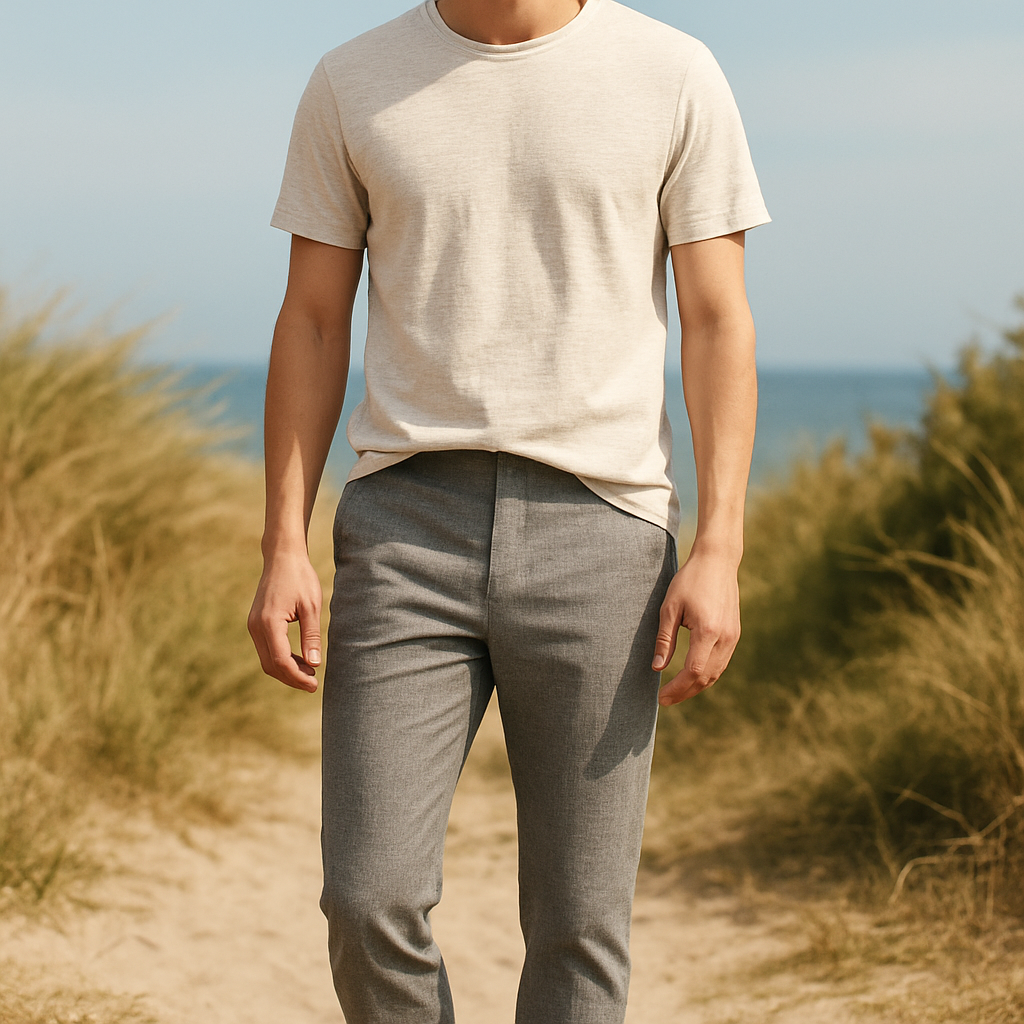
Check the Care Label
Fabric quality is great, but if you ignore the care instructions you’ll lose the fit fast. Most slim‑fit casual pants come with a tag that says “machine wash cold, tumble dry low, iron inside out if needed.” Skipping these steps can shrink or stretch the fabric in unwanted places, turning your fresh pair into a sagging pair.
When you’re ready to make a purchase, take a look at Nina‑Bazaar’s curated selection. They’ve grouped the top‑rated cotton‑blend and polyester‑blend options in one place. Just head to Men's Pants - Nina-Bazaar.com and filter by fabric type to see the best options for your style.
Now, you’ve got the perfect pair, but what about the skin underneath? A good cut and fit can only do so much if your skin is looking dull or uneven. That’s where a solid skincare routine comes into play.
For a quick, no‑fuss routine that keeps your complexion fresh—especially if you’re wearing crisp, breathable fabrics—check out Uncover Skincare. Their melanin‑first approach helps you stay hydrated and glow‑ready, so your whole look feels polished.
One thing I always do when I’m on the hunt for a new pair is to test the fabric in real life. I’ll put on the pants, walk across the room, sit on a couch, and see how they feel. Does the fabric tighten when I sit? Does it stay flat when I stand? These little checks can save you from a return later.
Also remember that the fit can be influenced by the waistband. A low‑profile waistband feels less intrusive, but a mid‑rise can provide a bit more support without compromising the slim look.
Lastly, keep an eye on the price‑to‑quality ratio. High‑end brands often add extra features like anti‑wrinkle coatings or hidden pockets. For the same price, a well‑made cotton‑blend from a mid‑tier brand can outperform a cheap polyester‑blend. That’s why we recommend sticking to brands that have a proven track record in fabric technology.
So, next time you’re scrolling through options, ask yourself: Is the fabric breathable? Does it have a bit of stretch? And will it hold its shape after washing? Answering those questions will guide you toward pants that stay sharp and comfortable all day, every day.
Step 2: Get the Right Size – A Practical Sizing Guide for Slim Fit Casual Pants
Finding the perfect fit is half the battle, the other half is knowing what you’re measuring.
Think about the last time you tried a pair that looked great on the box but felt like a noose after you walked.
What the Numbers Actually Mean
In the U.S., a pants size is usually written as waist/inseam (e.g., 34x32).
The first number is the waist in inches; the second is the length from crotch to hem.
If you’re in a market that uses centimeters, just multiply by 2.54.
That quick conversion trick keeps you from guessing.
So, how do you turn those numbers into a real pair that fits? It starts with a good measurement routine.
Step‑by‑Step Measurement Routine
1. Waist. Stand upright, keep your stomach relaxed, and wrap a soft tape measure around the narrowest part of your waist, just above your hips. Record the inch value.
2. Inseam. Grab a pair of pants that fit you well. Lay them flat, measure from the crotch seam to the hem, and note that length. If you’re measuring at home, stand with the tape from the inside of the thigh, down to the ankle.
3. Compare to the chart. Use the sizing chart below to find the closest match. If your waist is 36 inches and inseam 32 inches, look for a 36x32 or the nearest equivalent.
Remember, many brands run a bit smaller, so if you’re between sizes, lean toward the larger measurement.
Real‑World Examples
Let’s say you’re a first‑time online buyer with a waist of 32 inches and an inseam of 30 inches. A 32x30 will fit most slim‑fit styles, but if the brand uses a mid‑rise cut, you might need to add a half inch to the waist to avoid a tight look around the hips.
For a seasoned shopper who often buys high‑rise chinos, a 34x32 might feel more comfortable even if the waist measurement is 34. It’s all about how the pants sit on your body.
And if you’re someone who prefers a looser leg but still wants a slim silhouette, look for a 30x32 with a tapered leg. That way, the thigh stays slim but the ankle opens up.
Key Tips for a Seamless Fit
- Always round up when you’re between numbers; you’ll never be too loose.
- Try on the pants with the shoes you’ll wear most often; sock size can shift the fit.
- Check the return policy before buying; the most popular sites offer free returns for the first month.
It’s also handy to keep the pants in a drawer with a flat surface; the fabric’s natural shape can help you gauge how the pants might look when worn.
Size Guide Snapshot
| Feature | Typical Size | Notes |
|---|---|---|
| Waist | 28–38 inches (XS–XL) | Use the narrowest part above hips. |
| Inseam | 28–36 inches | Measure from crotch to hem. |
| Fit Type | Slim/Regular | Choose based on leg taper preference. |
Still unsure? Take a quick trip to the comprehensive sizing guide—it’s a handy reference for all men’s pants sizes.
When you’re checking the fit in the mirror, make sure the pants sit right at the top of the ankle—no bunching, no gapping. A slim fit that hugs just enough feels like a tailored piece without the stiffness of a formal suit.
Give yourself 48 hours to try them on after delivery; if they don’t feel right, you can exchange or return within the policy window.
Take a moment to pause, jot down your numbers, and run a quick fit check. With the right measurements, you’re about to lock in a pair that looks sharp and feels like a second skin.
Watch It In Action: How Men’s Slim Fit Casual Pants Look on Different Body Types
Let’s cut straight to the point. You’re scrolling through options and wondering: will these pants work on my frame, or will they just look off? The answer is: yes, they can, but you need to tweak a few details based on your body type. Below, I’ll walk you through the most common shapes, what to look for, and quick hacks that turn a good pair into a great one.
1. The Lean, Athletic Build
If you’re lean, you’re probably used to a clean silhouette. The trick here is to keep the waist snug but not tight, so the fabric drapes without bunching. A mid‑rise cut with a subtle cuff works wonders. Look for a 2–3% elastane blend; it gives a little give when you sit down.
Action step: Measure your waist at the narrowest point and add a half inch. When you try the pants on, make sure they sit just above the hips, not pulling into the belly. If the leg tapers too aggressively, you’ll see a “slouch” at the cuff—opt for a straight‑leg drop instead.
2. The Broad‑Shouldered, Rigid Upper Body
Broader shoulders mean a tighter waist can feel restrictive. Choose a relaxed waistband—think elastic‑liner or a built‑in drawstring—so the top of the pant doesn’t pin the chest. The leg can be slimmer, but avoid a 100% straight cut; a gentle taper keeps the look proportionate.
Practical tip: When standing, check that the thigh seam runs parallel to your natural crease. If it’s angled, the pants will look like they’re pulled up too high. Try a pair with a “drop‑back” waistband that sits lower on the back for better comfort.
3. The Curvy, Rounded Waist
For guys with a fuller midsection, a slight rise is essential. Mid‑rise with a small elastic band gives the needed lift without digging. A tapered leg still looks sharp but prevents a bulk at the calf.
What to avoid: Pants with a 0‑inch rise will fall, creating a gap between the hem and the shoe. Look for a 1–2 inch rise. Also, test the fabric; a 2–5% stretch blend will adjust when you flex, keeping the fit from becoming tight around the hips.
4. The Shorter Stature
Shorter men often struggle with long inseams that look disproportionate. Look for inseams between 28–30 inches, and choose a “cuffed” style that adds a subtle drop. The cuff should be a small crease that doesn’t extend past the shoe.
Quick hack: If you’re 5’7” or under, try a “short” cut or a 28‑inch inseam. If the cuff is too long, you can have the hem trimmed to keep a clean line.
5. The Tall, Tall Leg
When your legs outsize the pants, a slightly longer inseam is needed. A 32–34 inch inseam paired with a “flat cuff” helps the pants finish right at the shoe. Avoid “cuffs” that sit high; they create a gap between the leg and the shoe.
Actionable tip: When walking, check that the cuff sits at the top of the ankle, not the middle. If it’s high, try a pair with a lower cuff or add a “cuff adjuster”—a small elastic band that slides under the cuff.
6. The Curvy Hips, Narrow Waist
Sometimes the waist is narrow, but the hips are fuller. A “narrow waist” cut with a mid‑rise helps balance the proportions. The fabric should have a slight stretch to accommodate the hips while still maintaining the slim look.
What to test: When you sit, the pants shouldn’t crease in the waist. If they do, look for a 3% elastane content. Also, try on a pair with a “slight flare” at the cuff—it keeps the hip area from feeling boxed.
Quick Checklist for Every Body Type
- Measure waist at the narrowest point; add 0.5–1 inch.
- Choose a mid‑rise unless you’re tall or have a very full waist.
- Check the inseam: 28–30 inches for short, 32–34 for tall.
- Look for 2–5% stretch in the fabric.
- Test the cuff: it should sit at the ankle, not the middle.
By keeping these points in mind, you’re not just buying a pair of pants—you’re investing in a look that flatters your shape and feels like a second skin. Next time you hit the checkout, remember that the right fit comes from knowing your own proportions and matching them with the right cut and fabric. Happy hunting!
Step 3: Styling Your Slim Fit Casual Pants – From Work to Weekend
We’ve already nailed the fabric and fit, so now it’s time to make those pants do the heavy lifting for your wardrobe. Think of them as the blank canvas you’ll paint each day’s vibe on.
What you pair with those slim‑fit chinos can shift the whole energy—from a sharp boardroom look to a relaxed Saturday stroll. Let’s break it down into three easy moves.
1. Keep the Core Simple
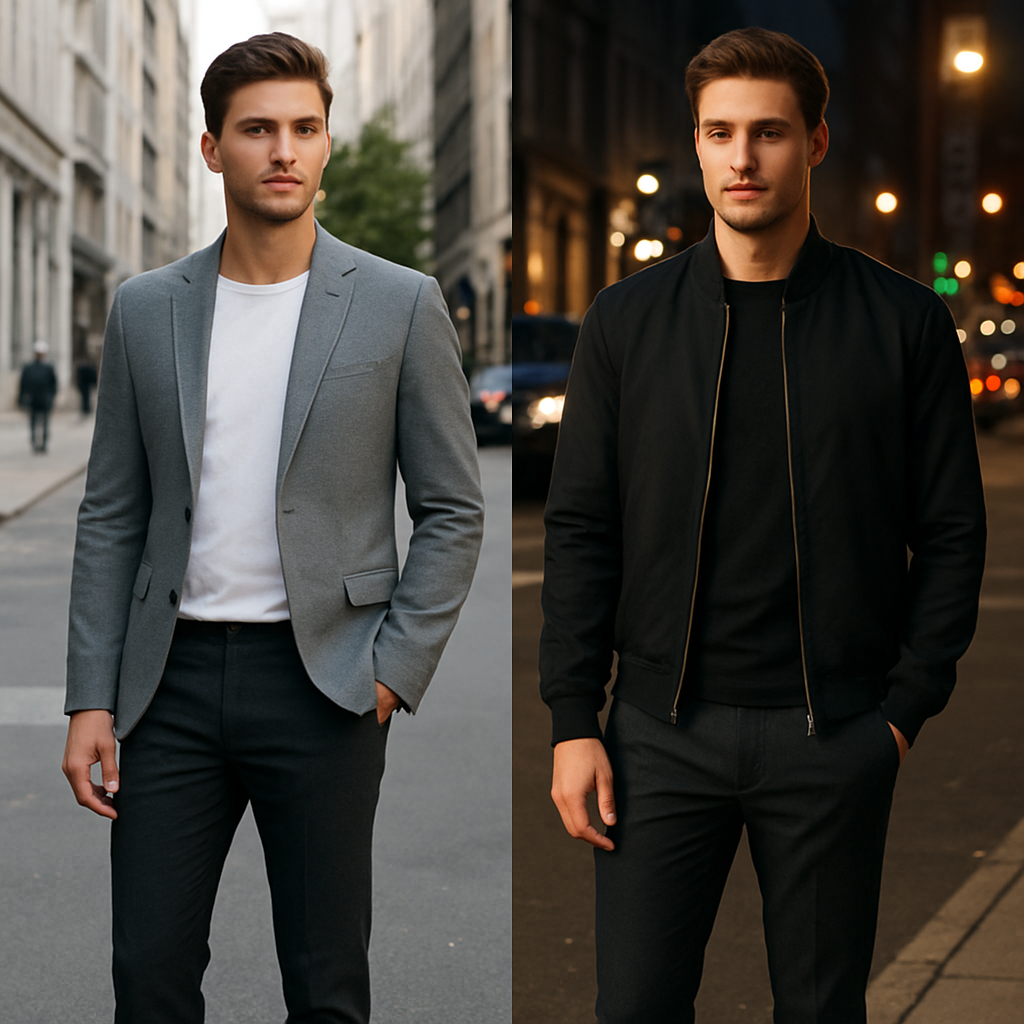
Start with a solid base: a button‑down or a fine‑gauge tee in a neutral shade. The idea is to let the pants pop, not compete. For office days, pick a crisp white or soft blue shirt; for nights out, a dark charcoal or charcoal‑black tee works wonders.
Do you remember the first time a well‑cut blazer made you feel unstoppable? That’s the power of contrast—your slim pants should stay in the background while your top steals the spotlight.
2. Layer Thoughtfully
Layering is your secret weapon to shift moods without changing the base. In the office, add a lightweight wool overcoat or a tailored trench; on weekends, swap that for a bomber or a denim jacket. The key is to keep the vertical line clean, so the pants don’t feel broken up.
When you throw on a jacket, watch the collar flare. A slight “hanging” collar can soften the sharpness of the slim cut, giving you a relaxed yet polished look.
3. Play with Footwear and Accessories
Footwear can make or break the vibe. Oxford or derby shoes keep you in the corporate lane; loafers or clean sneakers shift you to weekend chic. The height matters too—pointed toe shoes elongate the leg, which pairs nicely with the taper of the slim fit.
Don’t forget the finishing touches. A leather belt that matches your shoes anchors the silhouette, while a subtle watch or a pair of aviator sunglasses can add personality. Remember, the goal is to feel like you’re wearing a story you can read in one glance.
Feeling stuck on what to wear? Browse this collection of men’s casual pants outfits for real‑world inspiration: Style Girlfriend’s guide to outfit pairings. The visuals show how the same pair of slim pants can look different with a few swaps.
Quick Checklist for a Day‑to‑Night Transition
- Top: White or light shirt for work; dark tee or layered tee for evenings.
- Layer: Light coat or blazer during the day; jacket or hoodie at night.
- Footwear: Dress shoes for meetings; clean sneakers or loafers for casual outings.
- Accessories: Belt and watch for formality; minimalist jewelry for a relaxed vibe.
With this three‑step framework, you’ll turn your slim pants into a versatile powerhouse. Just mix, match, and move from conference room to coffee shop without missing a beat.
Step 4: Price vs. Performance – Where to Find Affordable Men’s Slim Fit Casual Pants
First, let’s unpack the big idea behind a budget‑friendly pair of men’s slim fit casual pants: it’s all about balancing cost with the features that keep you comfortable and looking sharp all day.
Think of it as a car purchase. You could grab the cheapest seat‑belt, but if the ride feels cramped, you’ll be regretting it faster than the price tag matters.
So, what does that mean for pants? We’re talking fabric, stretch, finish, and the little extras that make a difference without blowing the bill.
Fabric is the first gatekeeper. A 50/50 cotton‑polyester blend with 2% elastane gives you breathability and a pop of stretch.
That tiny amount of elastane is a game‑changer for a slim cut because it lets the pant flex around the hips and thighs.
Check the care label too. Machine‑washable, no‑iron fabrics let you skip the dry‑cleaning trips that can add up over time.
And don’t ignore the finish. A matte finish keeps dirt from showing up after a long day, while a subtle sheen can give a dressier look without extra cost.
Where the Money Goes
Most of the price in a good pair is the fabric itself and the construction quality.
Cheaper pants often trade in thinner yarns for a lower price, which means less durability and a tendency to snag.
High‑end brands may throw in fancy features—hidden pockets, reinforced seams, moisture‑wicking coatings.
For a first‑time online buyer, those extras can feel like a luxury you might not need.
What you really want is a mid‑tier brand that offers the same solid fabric and a simple design.
Smart Shopping Hacks
1. Compare size charts side by side. A 32x30 in one brand might feel a half‑inch tighter in another because of different cut styles.
2. Look for sales or clearance tags. A 10‑percent markdown on a pair that normally costs $70 can bring you under $60, still staying within a budget for a casual staple.
3. Read return policies. A hassle‑free return window gives you time to try them on in your own environment, which is gold for online shoppers who can’t feel the fabric before buying.
4. Ask the community. Check the FAQ or comment sections on product pages for real‑world fit notes. If most reviewers say it’s “true to size,” that’s a good sign.
5. Compare price‑per‑pair versus how long the pants will last. A pair that drops after a few washes is a hidden cost.
6. Pay attention to the fit during the first week. If the pants feel stiff, you’re probably going to keep them in a drawer until they break.
Price‑Performance Playbook
Step one: set a clear budget. If you’re looking for something that won’t break the bank, aim for $50–$70 per pair. This range often gives you a decent blend of cotton‑poly blends with 2–4% stretch.
Step two: prioritize the features that matter most to you. If you’re on the go, moisture‑wicking and stretch are top.
Step three: test the fit. When you receive the pair, put them on right after unboxing, and walk around the house.
Notice if the waistband feels too tight or if the legs feel too tight around the calves.
Step four: decide if the price justifies the feel. If a pair feels like a second skin and holds up after a couple of washes, it’s usually worth the price, even if it’s a little higher than the cheapest option.
Finally, remember that buying a few high‑quality pairs is often cheaper in the long run than constantly replacing lower‑quality ones that fall apart after a season.
So, what’s the takeaway? Don’t chase the lowest price. Look for a mid‑tier brand that uses a reliable fabric blend, offers a simple wash‑and‑wear finish, and comes with a fair return policy. That combo gives you the best price‑performance balance for your everyday wardrobe.
Step 5: Layering Up – How to Pair Slim Fit Casual Pants with Jackets and Outerwear
Think about that moment when you’re stuck in the middle of a chilly commute, your slim‑fit chinos feel great, but the jacket you pulled off the shelf looks like a slab. That’s why layering isn’t just about adding pieces—it’s about harmony. Let’s break it down into bite‑size steps that feel like a coffee chat, not a lecture.
Start with the base – the pants that feel like a second skin
Before you even think of a blazer, make sure your slim‑fit pants have the right balance of stretch and breathability. A 2–5% elastane blend keeps the thighs open while the tapered leg keeps the look sharp. If you’re a first‑time online buyer, double‑check the fabric note; it should say pre‑washed or no‑iron for a low‑maintenance vibe.
Pick a jacket that speaks the same language
Jackets come in three major styles: casual, transitional, and statement. For a crisp office day, go for a lightweight trench or a classic pea coat. These jackets have a slim cut that won’t overpower the pants’ silhouette. If you’re heading to a casual meetup, a bomber or a denim jacket adds texture without bulk.
Here’s a quick rule of thumb: the jacket’s shoulder width should match the widest point of your pants’ thigh.
Layering tricks that keep the flow
1. Keep the vertical line clean – avoid overlapping collars or double layers that create a pocket effect. 2. Use color blocking wisely. A muted charcoal jacket with navy chinos feels modern; a pastel blazer over light‑gray trousers feels fresh. 3. Pay attention to cuffs. A rolled cuff on a cotton jacket pairs beautifully with a slightly cuffed pair of slim pants, creating a visual anchor at the ankle.
What’s the most common mistake? Throwing on a hoodie under a jacket. It looks like a costume. Instead, swap the hoodie for a fine‑gauge crewneck tee that sits under the jacket without bulk.
Footwear: the final frame
Shoes are the hinge that decides whether your layering feels balanced. For a professional look, leather Oxfords or brogues are your go‑to. On the other hand, clean low‑top sneakers or loafers work great for weekend vibes. Keep the shoe color in the same family as your pants—black or brown work best for versatility.
Access...story
Watches, belts, and subtle jewelry should add texture, not noise. A slim leather belt in a tone‑on‑tone shade keeps the line seamless. A watch with a canvas strap pairs nicely with a casual jacket. If you want to add a pop, a lightweight scarf in a complementary hue can anchor the outfit in colder weather.
Take care of your outerwear
Jackets and coats often have hidden pockets that collect lint. Wipe them regularly. If you’re using a wool coat, dry clean only when necessary to preserve the pile. For synthetic blends, a quick machine wash on a gentle cycle keeps them fresh.
Remember, layering is a conversation between two pieces. If they talk well, you’ll feel confident all day long.
Ready to test your layering skills?
Try grabbing a pair of slim‑fit chinos from Men's Pants – Nina‑Bazaar.com and mix it with a lightweight trench or a bomber. For a touch of event‑ready flair, LA Times Photo Booth Rental Burbank – Captured Celebrations is a great partner if you’re planning a celebration where you’ll want to showcase that outfit on camera.
Conclusion
So here we are, the end of our deep dive into men’s slim fit casual pants.
You’ve seen the fabric play, the cut, the layering tricks, and how to make every outfit feel like a personal win.
What’s the real takeaway? It’s all about choosing a pair that feels like a second skin, keeps cool, and looks sharp no matter the occasion.
If you’re a first‑time online shopper, start with the fit chart and a cotton‑poly blend that offers a touch of stretch.
Habitual buyers, mix it up with a lightweight trench for those transition days, and keep a pair of clean sneakers for weekend vibes.
Remember the rule of thumb: shoes should match the pants’ color family—black or brown for versatility.
Now ask yourself—do you have a go‑to pair that can walk you from a meeting to a dinner without a wardrobe reset?
If not, revisit the basics: the right fit, breathable fabric, and a subtle cuff. That’s the recipe that keeps you looking effortless.
In short, your slim fit casual pants are more than a wardrobe staple; they’re a confidence booster that says, ‘I’ve got this.’
So go ahead, find that pair that feels like a natural extension of you, and step out with confidence.
FAQ
Got questions? You’re in the right spot. Below we tackle the most common doubts about men’s slim‑fit casual pants, from sizing headaches to styling mishaps. Grab a coffee and let’s dive into the nitty‑gritty.
What’s the best way to measure my waist for slim‑fit pants?
First, find the natural waistline—just above your hips, where a belt would sit. Wrap a soft tape measure snugly but not tight. Then add a half inch for ease if you’re between sizes. If your waist is 34 inches, shop for 34x30 or 34x32 depending on your inseam preference. This simple trick keeps the pants from feeling like a belt around a balloon.
How long should a slim‑fit pant stay true after multiple washes?
Look for pre‑shrunk, wrinkle‑resistant fabrics. A blend with 2–4% elastane will hold shape, while a matte finish keeps creases minimal. Wash in cold water and tumble dry low; skip high heat. If the pant keeps its cut after 10 washes, you’ve hit the sweet spot. Anything else is a sign you’re buying a “once‑in‑a‑blue‑moon” piece.
Can slim‑fit pants be worn in the summer without overheating?
Yes—if the material is breathable. Cotton‑poly blends, linen, or modal blends work great. Avoid heavy denim or thick cottons that trap heat. A 50/50 modal‑cotton blend stays airy yet offers enough stretch to keep you comfortable while walking on a hot sidewalk. The key is a fabric that breathes and a fit that doesn’t cling.
What’s the difference between a mid‑rise and a low‑rise in slim pants?
Mid‑rise sits at the natural waist and gives a clean silhouette, especially if you wear sneakers or loafers. Low‑rise can look stylish if you have a slimmer torso, but it risks sagging at the hips. Try both on with your everyday shoes; the one that stays in place without digging is the one that will feel like a second skin.
Do I need a cuff on my slim‑fit pants?
Not necessarily, but a subtle cuff can finish the look. A cuff that rests at the shoe’s top edge keeps the leg length balanced, preventing a gap between pant and shoe. If you prefer a modern, seamless look, opt for a flat cuff or a rolled‑up style that blends with a casual jacket. The cuff is a style choice, not a necessity.
Can I pair slim‑fit casual pants with a suit jacket for a semi‑formal event?
Absolutely. Pair a crisp, slim‑cut suit jacket with tailored chinos. Keep the pants in a neutral color—navy or charcoal—and match the jacket’s weight. Add a belt that matches your shoes, a clean white shirt, and you’re set. The result feels polished but not overly formal—perfect for a business‑casual gathering.
There you go—six answers to the most pressing questions. If anything still feels fuzzy, think about the key factors: fit, fabric, and finish. When you know those, you’ll never feel lost at checkout again.


