

Ever caught yourself fumbling for your phone while juggling keys, a coffee, and that tote that just won’t stay put? That moment of frustration is exactly why we ask, what is a crossbody bag? In plain terms, it’s a bag with a strap that loops over one shoulder and rests across the torso, keeping your essentials snug and your hands free.
Think about a busy Saturday market. You’re strolling past stalls, trying on sunglasses, and the last thing you need is a bag that swings wildly. A crossbody stays close, letting you focus on the fresh veggies or the perfect handmade necklace. For first‑time online shoppers, the simplicity of a single adjustable strap means no confusing closures – just slip it on and you’re good to go.
But it’s not just about convenience. The design varies widely: from sleek leather satchels that complement a power‑meeting outfit, to lightweight canvas versions perfect for a weekend hike. A friend of mine, a habitual online buyer, swears by a small crossbody when traveling because it fits under airplane seats and deters pickpockets.
Here’s a quick way to pick the right one:
- Identify the core items you’ll carry – phone, wallet, maybe a mini‑umbrella.
- Measure the bag’s interior; aim for at least 8‑inch width for a standard phone plus a slim wallet.
- Check the strap length – it should sit comfortably on your hip or chest without digging in.
If you’re worried about security, especially in crowded city streets, consider features like hidden zippers or RFID‑blocking pockets. Our own experience shows that customers who choose a bag with anti‑theft details feel more confident walking through busy malls.
Curious about which anti‑theft style works best? Take a look at Choosing the Best Anti Theft Crossbody Bag for Women for a deeper dive.
And when you’ve nailed the bag choice, why not finish the look with a touch of sparkle? Pair your new crossbody with a sleek earring or bracelet from a fellow fashion‑focused retailer – DiamondVeneer offers pieces that complement any handbag style.
TL;DR
A crossbody bag is a hands‑free tote with a single strap that rests across your torso, keeping essentials like phone, wallet, and keys close and secure.
Choosing the right size, material, and anti‑theft features lets first‑time and budget‑savvy shoppers stay comfortable, stylish, and worry‑free wherever they go in daily life.
What Is a Crossbody Bag? Definition and Key Features
So, what exactly is a crossbody bag? In the simplest terms, it’s a bag that hangs from a single strap worn across your chest or over one shoulder, letting you keep your hands free while your essentials stay snug against your body.
That single‑strap design isn’t just a fashion statement – it’s born out of practicality. Imagine you’re juggling a coffee, your phone, and a grocery bag on a Saturday market. A crossbody stays put, freeing you to browse without worrying about a swinging tote.
Here’s a quick visual:
Notice how the bag’s strap can be adjusted to sit comfortably on your hip or higher on your chest. The key is length: you want enough room to move without the strap digging into your skin. Many of our first‑time shoppers tell us they love a strap that slides easily but stays secure when you’re on the go.
When you pick a crossbody, pay attention to the strap material. Leather adds a polished vibe but can be heavier; woven canvas stays light and dries quickly if you get caught in a drizzle. A good rule of thumb is to test the strap by pulling it gently – it should feel sturdy but not rigid.
Materials also dictate durability. Full‑grain leather ages beautifully, developing a patina that tells a story. Synthetic fabrics, like ripstop nylon, resist tears and are often water‑repellent – perfect for a day‑trip to the beach or a hike up a local trail.
Security is another big factor, especially for our budget‑conscious shoppers who frequent crowded streets. Look for hidden zip pockets, lockable closures, or RFID‑blocking compartments that keep your card data safe. A discreet zip at the back of the bag can be a lifesaver when you’re navigating a bustling market.
Size matters, too. If you’re mainly carrying a phone, wallet, and maybe a mini‑umbrella, a 10‑inch width is usually enough. For habit‑ual online buyers who like to toss in a small notebook or a compact charger, aim for a bag with at least 12‑inch interior space. Many of our customers appreciate a bag with an interior zip pocket for those tiny “just in case” items.
And if you love to travel, you might also be interested in exploring new destinations on two wheels. Check out Top Bike Tours Portugal for inspiration on how a lightweight crossbody can complement an active adventure.
Finally, consider the aesthetic. A sleek black leather satchel pairs well with a power‑meeting outfit, while a bright patterned canvas adds a pop of colour to a casual weekend look. The beauty of a crossbody is its versatility – it can transition from a day at the office to an evening stroll without missing a beat.
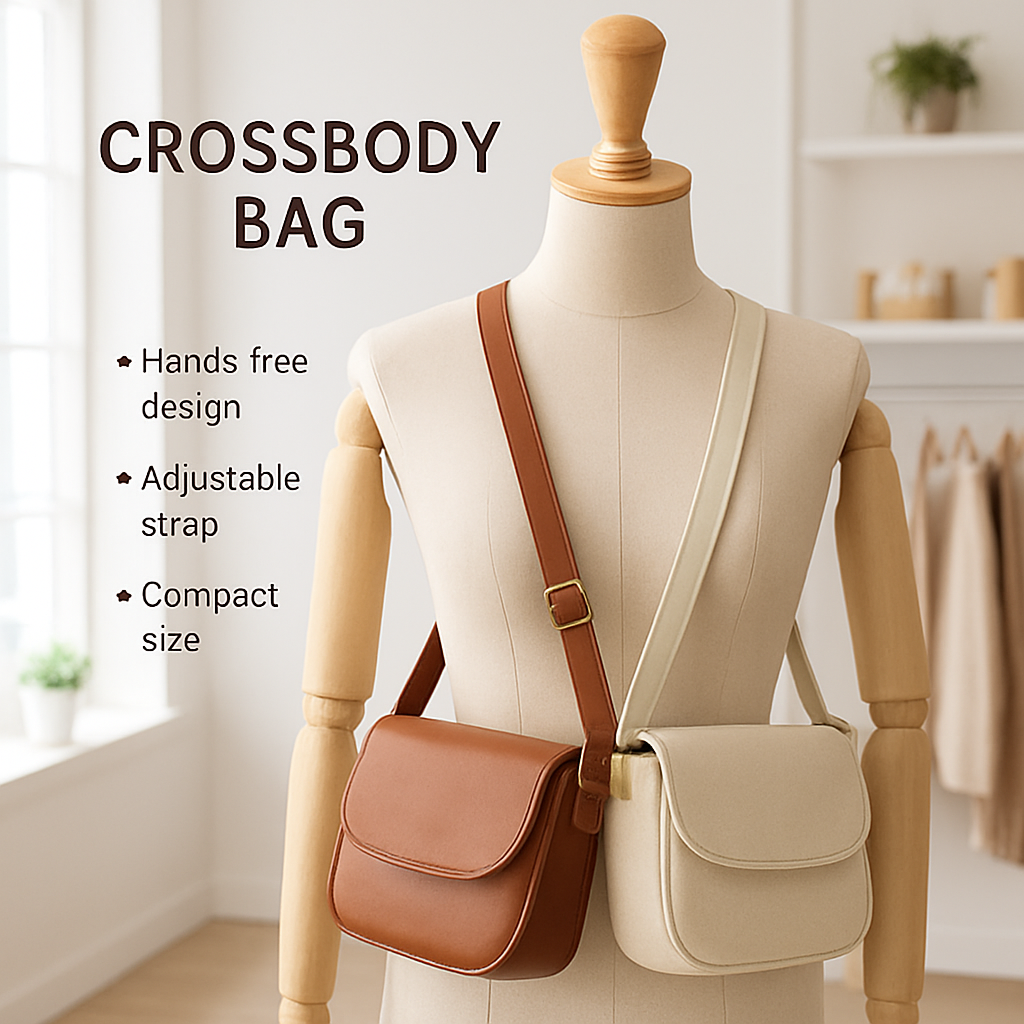
Bottom line: the definition of a crossbody bag is straightforward, but the features – strap comfort, material choice, security details, and size – are what turn a simple tote into a reliable daily companion. Keep these pointers in mind, and you’ll pick a bag that feels like it was made just for you.
Popular Crossbody Bag Styles Explained
When you ask yourself “what is a crossbody bag,” you’ve already pictured that strap sliding over one shoulder, but the real magic lives in the variety of shapes that sit behind that simple idea. Each style solves a slightly different problem, so figuring out which one clicks with your daily rhythm can feel like a quick coffee chat rather than a research marathon.
Here’s a rundown of the most common silhouettes, straight from the experts at Latico Leathers’ style guide. We’ll sprinkle in a couple of real‑world examples so you can see the difference in action.
Convertible or Multi‑way Crossbody
Think of a bag that can morph into a purse, a shoulder bag, or even a clutch with a simple strap swap. The detachable, adjustable strap lets you go from running errands to a date night without grabbing a second bag. It’s a favorite among professionals who need a polished look at the office and a more relaxed vibe after hours.
Tip: Look for interior pockets and a removable pouch – they keep your charger or lipstick separate and easy to find.
Belt Bag (or Fanny‑Pack‑Crossbody)
A belt bag sits somewhere between a classic fanny pack and a small crossbody. You can wear it around the waist for a festival vibe or sling it across your chest for a secure travel companion. Because it’s usually lightweight, athletes and runners love it for its low‑bounce design.
Ever tried slipping your passport and metro card into a belt bag while navigating a busy train station? You’ll notice the peace of mind that comes from having your essentials right in your line of sight.
Sling Bag
Picture a tiny backpack that folds into a sleek strap‑only design. Sling bags often have a padded, single strap and a teardrop or rectangular body, making them perfect for cyclists, hikers, or anyone who wants a snug fit without the bulk of a full‑size backpack.
Many models include hidden zip closures – a subtle anti‑theft feature that’s worth the extra minute of checking before you zip up.
Messenger Bag
The messenger is the workhorse of the crossbody world. Originally designed for bike messengers, it sports a long, adjustable strap, a roomy interior, and plenty of external pockets for notebooks or a tablet. If you’re a student juggling a laptop and a sketchbook, the messenger’s rectangular shape gives you the space you need without feeling clunky.
Pro tip: A flap with a buckle or snap closure adds a layer of security while still keeping the bag easy to access.
Bucket Bag
Don’t let the name fool you – bucket bags are surprisingly structured. With a rounded base and a drawstring or magnetic closure, they offer a casual vibe that can slip into both brunches and board meetings. The open top makes it a breeze to toss in a water bottle or a small umbrella.
Because the silhouette is forgiving, you can pack a few extra snacks for a day‑long market stroll without the bag losing its shape.
For a quick comparison of top‑rated options across these styles, see Forbes’ roundup of the best crossbody bags.
Saddle Bag
Inspired by equestrian gear, the saddle bag features a half‑moon shape, often with a flap‑over closure and subtle metal hardware. It leans a touch more upscale, making it a go‑to for evenings out when you want a sleek silhouette that still holds your phone, cards, and lipstick.
We’ve seen customers pair a saddle bag with a simple tee and statement earrings for an instant “effortless chic” look.
Wallet‑size Crossbody
If your daily essentials fit into a card case, a wallet‑style crossbody is the minimalist’s dream. It usually has a single long strap and just enough room for your phone, a few cards, and maybe a lip balm. Because it’s so light, you’ll hardly notice you’re wearing it.
Great for travel days when you want to avoid bulky luggage but still need quick access to your ID and boarding pass.
Oversized Crossbody
On the opposite end of the spectrum, oversized bags combine the convenience of a crossbody with the capacity of a tote. They’re perfect for busy parents or anyone who wants to carry a tablet, a snack, and a change of shoes without switching bags.
Look for a padded strap and multiple compartments to keep the weight balanced – otherwise you might end up feeling like you’re carrying a backpack.
Minimalist Crossbody
Last but not least, the minimalist design strips everything down to a clean silhouette, a single zip, and a comfortable strap. No extra fluff, just pure function. It’s the kind of bag that ages well and pairs with virtually any outfit.
In a nutshell, there’s a crossbody style for every lifestyle. Whether you’re a first‑time buyer hunting for value, a habitual shopper after a versatile piece, or someone who simply wants a hands‑free way to carry the basics, one of these silhouettes will fit the bill.
Still not sure which style feels right? Think about where you’ll wear it most – on a commuter train, a weekend hike, or a night out – and let that guide your choice.
How to Choose the Right Crossbody Bag for Your Lifestyle
First thing’s first: what does a day in your life look like? If you spend most of your time hopping on a train, juggling a coffee and a laptop, you’ll need a different bag than someone who’s chasing toddlers at the park or heading to a weekend music festival.
That question is the compass for every decision that follows. Below we’ll walk through the exact steps you can take right now, so you end up with a crossbody that feels like it was made just for you.
1. List Your Everyday Essentials
Grab a pen and jot down the three items you reach for without thinking. For a commuter it might be phone, wallet, and a slim notebook. For a parent it could be phone, keys, and a small snack pack. Write them down, then measure the widest item – that’ll give you a minimum interior width.
Most experts suggest at least an 8‑inch interior width for a standard phone plus a slim wallet. If you also need a charger or a compact mirror, aim for 9‑10 inches.
2. Pick the Right Size and Shape
Now match your list to a bag silhouette. A minimalist crossbody works for the commuter who wants a sleek look. A belt‑bag or sling is perfect for the festival‑goer who needs quick access. And an oversized crossbody is a lifesaver for busy parents who want to stash a diaper bag or a water bottle.
Real‑world tip: My friend Sara, a first‑time online shopper, tried a compact wallet‑size bag on a city bike and realized she needed a little extra room for a rain‑proof pouch. She swapped to a slightly larger “convertible” style and never looked back.
3. Measure Strap Length the Right Way
Strap length is the part that often gets overlooked until the bag sits uncomfortably on your hip. Arden Cove breaks the process into two easy methods – measure the drop length of a bag you already own, or measure from the top of your shoulder to the spot on your waist where you’d like the bag to rest. Read their full guide for step‑by‑step details. In practice, most people find a 20‑inch drop works for average heights, while taller folks gravitate toward 23 inches.
Pro tip: If the strap is too long, you can always add a small knot or use a shorter secondary strap. Many brands, including ours, offer interchangeable straps for that exact reason.
4. Material Matters
Think about where you’ll be using the bag. Leather ages beautifully and looks great at a coffee shop meeting, but it can get sticky in a humid summer market. Canvas or recycled polyester stays lightweight and dries fast – ideal for a weekend hike.
For the eco‑conscious shopper, look for recycled fabrics or vegan leather. They often cost a bit less and still hold up to daily wear.
5. Security Features – Keep Pickpockets at Bay
If you navigate crowded streets, hidden zippers, RFID‑blocking pockets, and cut‑resistant straps become non‑negotiable. A lot of first‑time buyers overlook these until they’ve had a close‑call. A simple magnetic flap can speed up access, while a lockable zipper adds peace of mind.
One of our regular customers, a frequent traveler, swears by a bag with a lockable zip and a secret interior pocket for her passport. She says it’s the difference between a smooth airport run and a stressful one.
6. Test the Weight Distribution
Hold the empty bag in one hand, then slide it onto your shoulder. Does it pull toward one side? If the strap feels narrow, it might dig into your hip after a few hours. Look for padded or wider straps – they spread the load and keep you comfortable on long commutes.
Another quick test: swing the bag around your body and lean forward. If it stays snug without bouncing, you’ve found a good balance.
7. Set a Realistic Budget
Crossbody bags range from $20 to $300+. For first‑time buyers, aim for the sweet spot between $40 and $80 – you get decent material and useful features without breaking the bank. Habitual shoppers who know their style may stretch a bit higher for premium leather or extra compartments.
Our own collection on Women Handbags offers options across that price spectrum, so you can compare without hopping between sites.
8. Take Action – Your Quick Checklist
- Write down your three daily essentials.
- Measure the widest item to set a minimum interior width.
- Choose a silhouette that matches your activity (minimalist, belt‑bag, oversized).
- Use Arden Cove’s strap‑length guide to pick 18‑23 inches.
- Select material based on climate and usage.
- Look for anti‑theft features if you’re often in crowds.
- Check strap padding and try the bag on before buying.
- Set a budget and compare within that range.
Follow these steps and you’ll walk away with a crossbody that feels like a natural extension of you – not an afterthought. Ready to start? Grab a pen, measure, and let your next bag find you.
Materials, Durability, and Care Tips
When you finally answer the question "what is a crossbody bag," the material it’s made from becomes the next big puzzle. You’ve probably felt the difference between a buttery‑soft leather strap and a crisp canvas panel, but do you know why that matters?
Let’s walk through the basics together, so you can pick a bag that feels right today and still looks good in six months.
Understanding the core materials
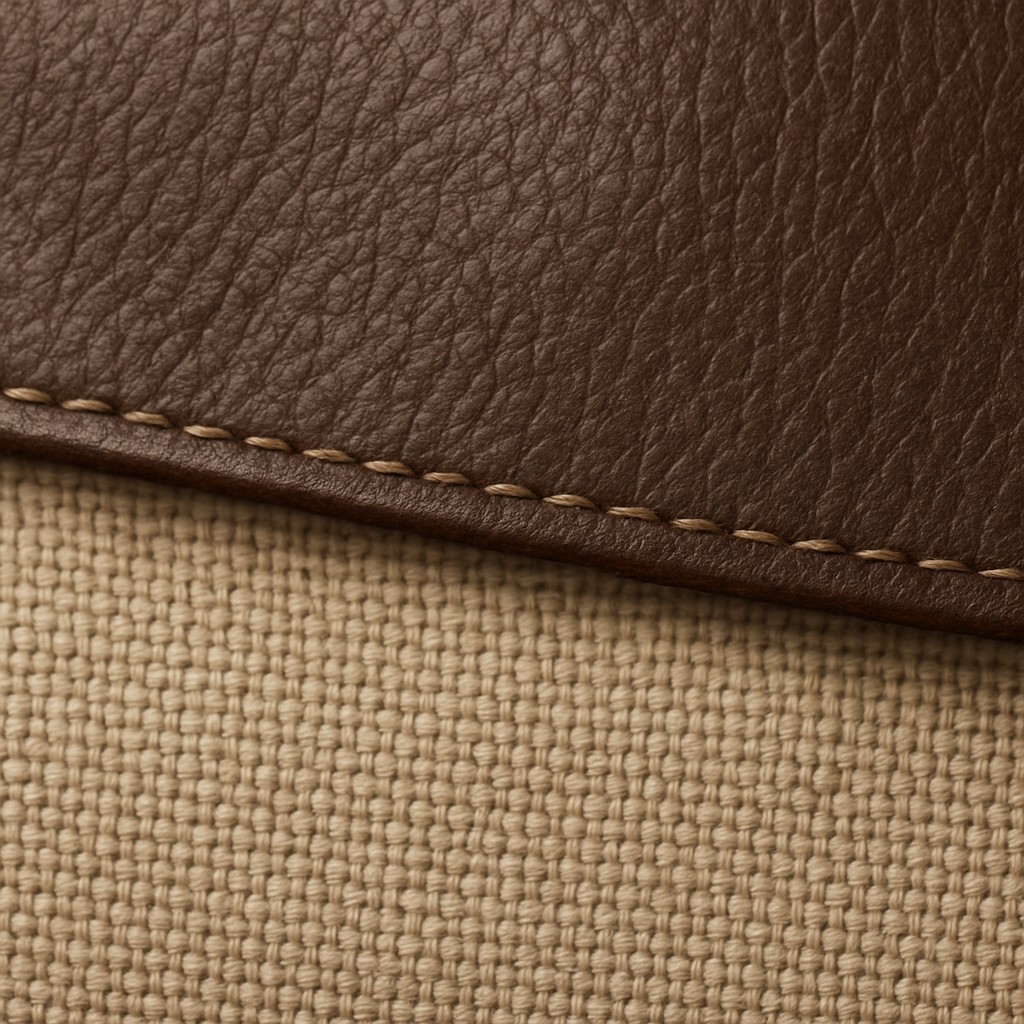
Most crossbodies fall into three families: genuine leather, canvas (often recycled polyester), and high‑tech synthetics like Eco Cordura. Leather ages like a fine wine – it develops a patina, resists scratches, and can last decades with proper care. Canvas, especially the recycled‑bottle version used by many eco‑focused brands, is lightweight, water‑resistant, and dries fast after a rainy commute.
If you need a bag that can survive a bike‑messenger’s daily dash, check out the Timbuk2 Classic Messenger Bag. Its specs list a 300D polyester‑plus‑PVC water‑proof boot and a rugged 1200x1500D recycled Cordura panel – a solid example of durability engineering.
On the other side, the Bonaventura leather vs canvas guide breaks down why full‑grain leather feels premium while canvas offers a casual, breathable vibe. Both are legit choices; the trick is matching them to your lifestyle.
Durability: What really holds up
Durability isn’t just about “does it rip?” It’s about how the bag handles everyday stress – the weight of a phone, the tug of a strap, the splash of a sudden downpour. Leather’s natural fibers give it high tensile strength, so a well‑treated leather crossbody can handle a heavy water bottle without stretching.
Canvas, especially when woven from recycled polyester, resists abrasion and UV fading better than cheap cotton. The Eco Cordura used by many brands is rated abrasion‑resistant and even has a reflective mesh for night‑time visibility.
One quick test: grab the bag, swing it gently, and listen. If you hear a faint “crack” or feel the strap digging into your shoulder, the material may be too stiff for long‑haul wear.
Everyday care: Keep your bag looking fresh
Leather care is simple but consistent. Wipe down with a dry microfiber cloth after each use, and every few months treat it with a leather conditioner to prevent drying. Avoid direct sunlight for long periods – it can dry out the oils.
Canvas lovers, you’re in luck. Most recycled‑polyester bags can be spot‑cleaned with a mild soap and water. Let them air‑dry completely before storing; a damp bag invites mildew.
Synthetic panels like Eco Cordura benefit from a quick wipe with a damp rag. If the bag has a waterproof liner, you can even toss it in the dishwasher (just the liner, not the whole bag) for a deep clean.
And a pro tip: always store your crossbody in a breathable dust bag rather than a sealed plastic sack. Your bag needs to “breathe” to keep the material from developing a musty smell.
So, what’s the easiest way to remember these steps? Think of a mini‑checklist you can stick on your fridge: wipe leather, spot‑clean canvas, air‑dry synthetic, store in dust bag.
Quick decision table
| Material | Durability Highlights | Care Routine |
|---|---|---|
| Full‑grain Leather | Excellent tensile strength; ages with patina | Wipe dry, condition every 3‑4 months, avoid prolonged sun |
| Recycled Canvas (Polyester) | Water‑resistant, abrasion‑resistant, lightweight | Spot‑clean with mild soap, air‑dry, store in breathable bag |
| Eco Cordura (Synthetic) | High‑visibility mesh, resistant to tears, ideal for commuters | Wipe with damp rag, occasional liner wash, keep dry when possible |
Now you’ve got the material basics, the durability facts, and a care plan that won’t take more than a minute a week. Pick the fabric that matches your daily grind, follow the simple upkeep steps, and your crossbody will stay a reliable sidekick for years.
Ready to test a bag’s feel before you buy? Swing it on, check the weight distribution, and imagine how it’ll look after a rainy morning run. If it passes, you’ve found a winner.
Price Range and Value Comparison
When you finally ask yourself, "what is a crossbody bag worth to me?", the answer usually starts with the price tag. But price alone doesn’t tell the whole story – you need to weigh material, features, and how the bag fits into your daily routine.
Think about the last time you bought a bag on a whim. Maybe you grabbed a cheap canvas option for a weekend market, only to watch the strap stretch after a few trips. Or you splurged on a leather piece that felt amazing, but the price left your wallet shaking. Those moments are why we break down the price ranges into three practical buckets.
1️⃣ Under $40 – The “Try‑It‑Out” Tier
This bracket is perfect for first‑time online shoppers who want to test the crossbody concept without a big commitment. You’ll typically see polyester canvas, faux leather, or simple nylon. The bags are lightweight, often have a single zip pocket, and lack advanced anti‑theft features.
Real‑world example: Maya (a college student) bought a $28 canvas sling from a discount site. It held her phone, a slim wallet, and a metro card, but after a month the strap started to fray. The lesson? At this price point, durability is limited, so treat the bag as a “starter” and replace it when the wear shows.
2️⃣ $40‑$80 – The “Smart Value” Tier
This is the sweet spot for reasonable‑price‑searching customers. You’ll find recycled canvas, vegan leather, and entry‑level genuine leather. Expect a few interior pockets, a reinforced strap, and maybe a hidden zip or magnetic closure.
Actionable tip: Measure the widest item you carry (usually your phone) and compare it to the bag’s interior width listed in the product specs. If the spec says 9 inches and your phone is 8.5 inches, you’ve got a comfortable fit.
Example: Alex, a habitual online shopper, chose a $65 recycled‑polyester crossbody from Nina‑Bazaar’s collection. It came with an RFID‑blocking pocket and a detachable strap, which he swapped for a longer one when traveling. The bag still looks fresh after a year of daily commutes.
3️⃣ $80‑$150 – The “Long‑Term Investment” Tier
Here you’re looking at full‑grain leather, premium eco‑Cordura, or high‑quality vegan leather with a polished finish. These bags usually include padded straps, multiple compartments, interchangeable straps, and robust hardware that resists rust.
Why spend more? Because a well‑treated leather bag can last a decade or more, developing a patina that tells your story. Plus, the added comfort means you won’t feel a tug on your shoulder after a full day of errands.
Real‑world scenario: Priya, a freelance graphic designer, invests $120 in a full‑grain leather crossbody. She uses it for client meetings, coffee runs, and even as a mini‑portfolio holder. Two years later, the bag’s leather has softened beautifully, and the price feels like a bargain compared to the cost of replacing cheaper bags every six months.
How to Compare Value Across Tiers
- Material durability – leather ages, canvas may fade.
- Feature set – anti‑theft pockets, interchangeable straps, padding.
- Warranty or after‑care – many premium brands offer a 1‑year repair service.
- Resale potential – higher‑quality leather often retains value.
Take a minute right now to write down the three features you can’t live without (e.g., RFID protection, extra interior pocket, water‑resistance). Then match those to the tier that offers them within your budget.
Quick Decision Table
| Price Bracket | Typical Materials | What You Get |
|---|---|---|
| Under $40 | Polyester canvas, faux leather | Lightweight, basic pockets, minimal branding – good for occasional use. |
| $40‑$80 | Recycled canvas, vegan leather, entry‑level genuine leather | Better durability, more compartments, some anti‑theft features – solid choice for first‑time buyers. |
| $80‑$150 | Full‑grain leather, premium eco‑Cordura | Long‑lasting, refined finish, extra padding, often includes interchangeable straps – value that grows with you. |
If you’re still unsure which price tier matches your lifestyle, browse our full range of crossbody bags and filter by material and price. Seeing the options side‑by‑side makes the decision feel less like a gamble.
And because a great bag pairs well with an outfit that says “I’m comfortable, but I care about style,” consider checking out a graphic tee from IGZ Clothing. A bold top and a well‑chosen crossbody can turn a simple coffee run into a mini‑fashion statement.
Caring for and Maintaining Your Crossbody Bag
Daily Clean‑Up
We all know that feeling when your favorite crossbody starts looking tired after a few weeks of daily hustle. Does it make you wonder if you should just toss it and buy a new one? Let’s walk through a simple, no‑fuss routine that keeps your bag looking fresh without breaking the bank.
First off, give it a quick wipe after each outing. A dry microfiber cloth is enough to sweep away dust, coffee rings, or a stray leaf. If you spot a spill, dab—don’t rub—using a soft cloth dampened with lukewarm water. The key is to act fast before stains set.
What about leather? A light conditioning spray every three months restores the natural oils and prevents the material from cracking. Just spray a little, let it soak for a minute, then buff with a clean rag. For canvas or recycled polyester, a gentle spot‑clean with mild soap works just as well.
Ever wonder why some bags start to smell funky after a rainy day? Moisture is the hidden enemy, especially for synthetic linings.
After a sudden downpour, turn the bag inside out, shake out excess water, and pat dry with a towel. Then hang it in a well‑ventilated area—avoid direct sunlight, which can dry out leather or fade fabric.
Seasonal Care
When the seasons change, give your bag a deeper treatment. In spring, a light vacuum over the interior removes crumbs and lint that can attract mold. In winter, store the bag with a breathable dust bag and a small sachet of silica gel to mop up humidity.
Do you keep your bag in a cramped closet where it gets squashed?
Smart Storage
Smart storage is just as important as cleaning. The Spruce offers a roundup of clever handbag storage ideas, from wall‑mounted hooks to clear acrylic dividers that let you see every bag at a glance. Choose a method that lets the bag hang by its strap rather than being piled under heavy coats, which can distort the shape.
If you have multiple crossbodies, group them by material. Leather bags stay on sturdy hooks, while canvas pieces can slide into fabric bins that breathe. Avoid plastic bags; they trap moisture and lead to mildew.
Maintenance Checklist
Here’s a quick checklist you can tape to your mirror:
- Wipe down after each use.
- Spot‑clean spills immediately.
- Condition leather quarterly.
- Air‑dry after rain.
- Store in breathable dust bag.
- Review storage every 6 months.
Sounds like a lot? Actually it’s just a few minutes a week.
One habit that saves you time is to keep a small cleaning kit—microfiber cloth, leather conditioner, and a travel‑size soap—in your handbag drawer. When you’re out, a quick swipe keeps the bag ready for the next adventure.
By treating your crossbody like a trusted companion rather than a disposable accessory, you’ll extend its life, keep it looking stylish, and get more value from every dollar you spent. So next time you zip it up, remember these steps and let your bag stay as vibrant as the moments you fill it with. And when you finally need to store it for a few months, a simple dust bag will keep dust at bay while preserving the leather’s natural glow.
Conclusion
So, what exactly is a crossbody bag? In a nutshell, it’s a hands‑free companion that rests on your shoulder and keeps your essentials within arm’s reach.
Because it stays close, you spend less time digging through a purse and more time living the moments that matter.
We’ve seen first‑time buyers feel a rush of confidence the minute they zip up a well‑chosen bag, while habitual shoppers appreciate the durability that comes from picking the right material and strap length.
Your quick checklist – list the three things you need daily, measure the widest item, match the silhouette, and test the strap – gives you a roadmap that works for any budget.
Whether you’re hunting a $40 starter or a $120 leather investment, the principles stay the same: comfort, security, and a style that feels like it was made for you.
So, next time you spot a crossbody on the shelf, ask yourself if it checks those boxes – and if it does, give it a quick swing, imagine your daily routine, and let it earn its place in your wardrobe.
Ready to find your perfect match? Browse Nina‑Bazaar’s curated collection and let a bag that truly gets you accompany every adventure today.
FAQ
What exactly is a crossbody bag and how does it differ from other bags?
A crossbody bag is basically a small‑to‑medium sized handbag that you wear across your body, with the strap looping over one shoulder and resting on the opposite hip. Because the weight is distributed across your torso, you keep your hands free and your essentials within arm’s reach. It’s not a backpack, which has two straps, and it’s usually slimmer than a tote, so it won’t swing around as you move.
How do I choose the right size for my daily essentials?
Start by writing down the three items you reach for most – phone, wallet, maybe a small notebook or charger. Measure the widest item; that gives you a minimum interior width. Most crossbodies that handle a standard smartphone plus a slim wallet need at least 8‑9 inches of internal space. If you carry a water bottle or a makeup case, add a couple of inches. A quick test is to hold the bag open and see if the items sit comfortably without crowding.
What strap length works best for different heights?
The sweet spot is the distance from the top of your shoulder to the spot on your hip where you want the bag to sit. For most people around 5'5" to 5'9" that works out to a 20‑22 inch drop. If you’re taller than 6 feet, you’ll feel more comfortable with 23‑24 inches. You can always knot the strap or use an interchangeable shorter piece if it’s a bit long – many brands, including ours, offer that flexibility.
Which materials are best for durability and weather resistance?
If durability is top of your list, full‑grain leather is the gold standard – it softens with age and can shrug off a light drizzle. For a lighter, vegan‑friendly option, look for recycled canvas or polyester that’s treated with a water‑repellent coating; it dries fast and resists abrasion. Eco‑Cordura blends add extra tear resistance for commuters who toss a bike helmet or a wet umbrella in the bag. Match the material to your climate and how often you’ll be on the go.
Are there anti‑theft features I should look for?
Look for hidden zip pockets that close inside the main compartment – they keep a passport or phone out of sight from pickpockets. A lockable zipper adds a simple but effective barrier; you can use a small luggage lock if the bag doesn’t come with one. RFID‑blocking pockets are a must if you travel a lot, because they stop magnetic skimming of your cards. A cut‑resistant strap made of Kevlar‑woven fibers can also deter thieves who try to slice their way in.
How can I care for my crossbody bag so it lasts?
Treat a leather bag like a pair of shoes – wipe it down with a dry cloth after each use, and give it a light conditioner every three to four months to keep the oils from drying out. For canvas or recycled polyester, a quick spot‑clean with mild soap and lukewarm water does the trick; just let it air‑dry away from direct sunlight. Store the bag in a breathable dust bag, not a sealed plastic sack, to prevent mildew and keep its shape.


