

Ever been on a jog with your energetic pup and felt the leash turn into a metal rope that jerks you both around like a wild roller‑coaster? It's a common nightmare for first‑time online shoppers who think a regular leash will do the trick.
That's where the bungee dog leash steps in. Think of it as a shock absorber for your walks – the stretchy core takes the sudden pull when your dog spots a squirrel, turning that yank into a gentle give‑and‑take. In our experience at Nina‑Bazaar, customers who switched to a bungee leash report fewer wrist aches and a calmer stroll, especially in busy city parks.
But how does it actually work? Inside the leash is a thin elastic cord sandwiched between two durable nylon layers. When your dog lunges, the cord stretches up to 30 % of its length, then slowly recoils, smoothing out the motion. For a medium‑size Labrador, that can mean reducing a 10‑pound pull down to the equivalent of a light tug.
Here’s a quick checklist to see if a bungee leash is right for you:
- Do you often walk on uneven terrain or crowded sidewalks?
- Does your dog tend to pull unexpectedly?
- Are you looking for a leash that protects both your hand and your dog’s neck?
If you answered yes to any of those, give the bungee style a try. It’s also a budget‑friendly upgrade – many models sit comfortably under $30, fitting the price‑conscious shoppers we serve.
Real‑world example: Jenna, a first‑time buyer from Melbourne, bought a bungee leash after her old one snapped on a weekend hike. She paired it with a collapsible water bowl from our Pets Items collection and now enjoys hassle‑free outings without the constant “whoops” moments.
And remember, the right fit matters. If you’re unsure about sizing, our How to Measure a Dog for a Harness: Simple Step‑by‑Step Guide walks you through measuring your dog’s chest and neck, which also helps you pick a leash that won’t be too short or overly long.
So, next time you’re gearing up for a walk, think about the bungee leash as your silent partner that keeps the rhythm smooth and the experience enjoyable for both you and your furry friend. Let’s dive in and explore the key features you should look for.
TL;DR
A bungee dog leash acts like a shock‑absorbing partner, smoothing out sudden pulls so walks stay comfortable for you and your pup, even on busy streets or rugged trails.
It’s affordable—most models under $30—and easy to size, making it a smart upgrade for first‑time buyers, budget‑savvy shoppers, and seasoned online pet‑parents alike.
Step 1: Understand Why a Bungee Dog Leash Matters
Ever felt that sudden yank when your dog spots a squirrel and your hand jerks like a fishing line? That's the exact moment many first‑time online shoppers realize a regular leash just isn't cut out for the job.
What makes a bungee dog leash different is the built‑in elastic core that absorbs that shock, turning a harsh pull into a gentle give‑and‑take. Think of it as a tiny trampoline for your wrist – it stretches, then eases back, so you don't end up with sore hands or a startled pup.
Why shock absorption matters
When you’re jogging on an arvo walk through a busy park, a sudden lunge can throw off your balance and even cause a tumble. The bungee section stretches up to about 30 % of its length, dispersing the force over time rather than delivering it all at once. That means a 12‑pound tug feels more like a light nudge.
For first‑time buyers on a budget, the benefit is two‑fold: fewer injuries and a longer‑lasting leash. A leash that’s constantly snapping under strain will cost you more in the long run, while a bungee model keeps its elasticity for many walks.
Protecting both you and your dog
Traditional nylon leashes can create a choking sensation if the dog pulls hard, especially on a small‑to‑medium breed. The bungee design adds a buffer zone, reducing the direct pressure on the neck and collar. In our experience, owners notice calmer behaviour because the dog senses the pull is being managed, not punished.
And it’s not just about comfort – it’s about safety. A smoother transition from pull to release means you stay in control on crowded sidewalks or uneven trails, which is a real concern for habitually online shoppers who might be exploring new neighbourhoods.
So, does a bungee leash work for every dog? Mostly, yes. Large, strong pullers benefit the most, but even a tiny terrier will appreciate the gentler handling when excitement spikes.
Another reason the bungee leash matters is its durability. Most models combine a high‑tenacity elastic strand with reinforced nylon outer layers, so the stretch won’t lose its bounce after months of use. Because the core absorbs the shock, the outer fabric experiences less wear, which translates to fewer replacements. For shoppers watching their bottom line, that longevity can mean staying under the $30 sweet spot while still getting a premium feel.
After you watch the quick demo, take a moment to notice how the leash stretches under load and then settles back. That visual cue is the core of why the bungee matters – it’s the physics doing the work for you.
Quick checklist: Is a bungee leash right for you?
- Do you frequently walk on uneven terrain or crowded city streets?
- Does your dog tend to bolt after squirrels, cyclists, or other dogs?
- Are you looking for a leash that reduces wrist strain and neck pressure?
If you answered “yes” to any of those, you’re probably ready to make the switch. The next step will walk you through the key features to compare, like cord length, clasp durability, and handle comfort.
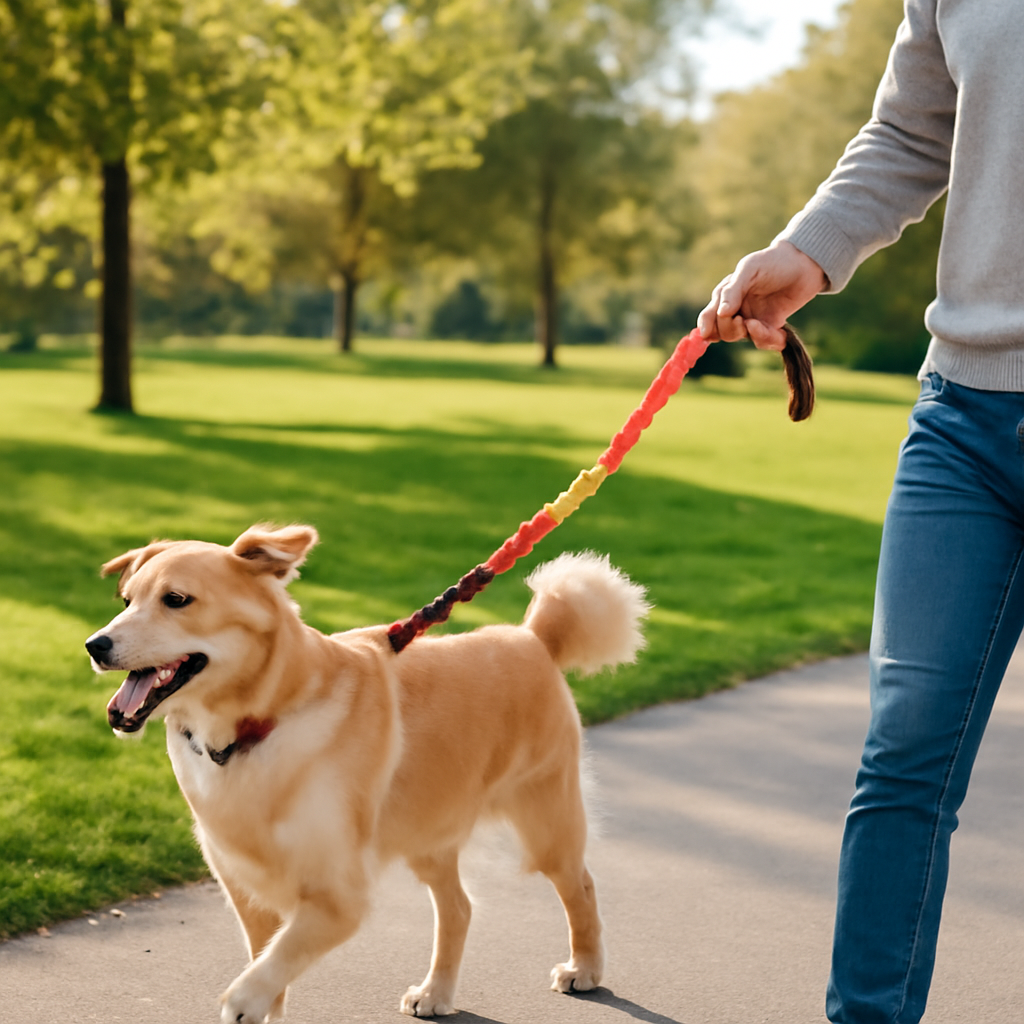
Remember, the goal isn’t just a cooler gadget – it’s a smoother, safer walk for both you and your companion. When the leash does the heavy lifting, you get to enjoy the conversation, the scenery, and the wagging tail without the constant jolt.
Step 2: Watch Our Quick Setup Video
Okay, you’ve got the leash in hand and you’ve already felt that gentle bounce. The next move? Hit play on our quick‑setup video and watch the magic happen.
Why a video helps more than a written checklist
Reading about stretch and recoil is fine, but seeing it in real time lets you match your dog’s pace, the leash angle, and the recoil speed. It’s the difference between “that sounds right” and “I can actually feel it works”.
Plus, a visual guide shows you exactly where the leash’s D‑ring should sit on a harness – something the guide on proper leash attachment explains in detail.
Step‑by‑step: What to look for in the video
1. Opening shot – the leash layout. Notice the elastic core sandwiched between the nylon outer layers. That’s the part that gives the “bungee” feel.
2. Hook‑up demo. The presenter clips the leash to a front‑clip harness. Pay attention to the D‑ring placement – it should be centered on the chest plate, not dangling off the side.
3. First pull test. Watch a gentle tug with a hand. You’ll see the leash stretch about a third of its length, then slowly recoil. That’s the sweet spot for shock absorption.
4. Dog‑in‑action. A real pup runs, darts after a squirrel, and you see the leash give without jerking the owner’s wrist. Take note of the angle; a too‑tight line can limit the bounce.
5. Safety check. The video ends with a quick inspection – look for any frayed cords or loose stitching. If anything looks worn, swap it out before your next outing.
Pause, rewind, and practice
Don’t try to absorb everything in one go. Pause after each segment, mimic the movement with your own leash, and feel the stretch. Rewind if the recoil feels too fast or too sluggish – the video shows how adjusting the tension strap changes the bounce.
When you’re comfortable, grab your dog’s harness, clip the leash, and repeat the pull test. If the leash feels like a “soft spring” rather than a “hard snap”, you’re good to go.
Quick checklist you can print
- Leash attached to front‑clip D‑ring.
- Elastic core stretches ~30 % under gentle pull.
- Recoil is smooth, not jerky.
- No visible wear on the cord or stitching.
- Dog’s harness fits snugly – two‑finger rule.
Got all that? Great. Now you’ve turned a 2‑minute video into a hands‑on confidence boost. Your next walk will feel less like a tug‑of‑war and more like a relaxed jog with a partner who’s literally giving you a gentle nudge when needed.
Still a little unsure? Try a short test walk around the block, keeping the leash slack enough to see the bounce but tight enough to stay in control. If you notice the same smooth give you saw in the video, you’ve mastered the setup.
And remember, the bungee dog leash isn’t a miracle cure for a dog that refuses to heel – it’s a tool that makes the journey kinder for both of you. Use the video as your reference guide, and you’ll keep the experience pleasant, safe, and affordable.
If the bounce feels too soft on a larger breed, the video demonstrates how to tighten the tension strap by a half‑turn – that shortens the elastic’s free travel and gives a firmer recoil. Conversely, for a tiny terrier, loosen the strap a notch so the leash isn’t too harsh on delicate paws. The visual cue is the small marker on the strap that lines up with the “0” indicator; aligning it correctly tailors the stretch to your dog’s weight.
Another quick tip from the video: keep the leash out of direct sunlight for extended storage. UV exposure can degrade the elastic over time, reducing that smooth give you just saw. Store it in a cool, dry drawer, and give it a light tug every few weeks to keep the core from stiffening.
Step 3: Choose the Right Size and Material
Measure your dog’s chest and neck first
Before you even think about colour or brand, grab a soft tape measure and note two numbers: the circumference around the widest part of the chest and the girth right behind the ears. If you’re not sure how to get a reliable reading, picture the leash as a snug‑but‑not‑tight belt – you should be able to slip two fingers underneath.
Why does that matter? A bungee dog leash that’s too short will pull the elastic straight into the dog’s harness, eliminating the give you’re after. Too long, and you’ll waste the shock‑absorbing benefit because the leash will sag and tangle.
For a Labrador that measures about 24‑inch chest, a 4‑ft leash usually feels controlled, while a 6‑ft version lets the dog explore a park without constantly re‑reeling you in.
Pick the right material for durability and stretch
Most bungee leashes sandwich a rubber‑based elastic core between layers of nylon or polyester. Nylon gives you abrasion resistance – great for rough trails – while polyester holds up better when it gets wet.
DogCaress notes that a heavy‑duty nylon‑wrapped core paired with padded handles feels "sturdy yet flexible" and reduces arm fatigue on long jogs.Read the full review. If you live in a sunny suburb, look for UV‑protected stitching; the sun can degrade rubber over months.
Neoprene padding on the handle isn’t just a luxury – it adds water resistance and keeps your hand dry during a rainy walk.
Match leash length to your typical activity
Think about where you and your pup spend most of your time. Urban sidewalks? A 4‑ft leash keeps you close enough to avoid crowds and gives you quick reaction control. Hiking up a bushtrack? Stretch out to 6‑ft so the bungee can absorb those sudden sprints up a slope.
Here’s a quick mental test: imagine your dog spotting a squirrel 10 feet ahead. If you’re jogging, you’d want the leash to stretch enough to let them dash, but not so much that you lose the tug feedback. That sweet spot is usually a 30‑% stretch capacity, which most quality bungee leashes advertise.
Quick checklist before you click ‘add to cart’
- Chest measurement fits the leash’s recommended range (check the product specs).
- Core material is nylon‑wrapped rubber for abrasion resistance.
- Handle padding: neoprene or foam for comfort.
- Reflective stitching for low‑light safety.
- Adjustable length: 4‑ft for city walks, 6‑ft for trails.
Got those? You’re set to pick a leash that actually works for you, not the other way around.
Size‑and‑material comparison table
| Feature | Recommended Option | Why It Matters |
|---|---|---|
| Core Elastic | Nylon‑wrapped rubber | Durable on rough terrain, maintains stretch over time. |
| Handle Padding | Neoprene or foam | Reduces hand fatigue on long walks or jogs. |
| Length | 4 ft (city) / 6 ft (trail) | Matches activity‑specific control needs. |
And that’s it – size, material, and length all boiled down to a few clear steps. Take a minute, measure your pup, glance at the table, and you’ll walk away with a bungee dog leash that feels like it was built just for your routine. Happy strolling!
Step 4: Fit the Leash to Your Dog’s Harness Correctly
Alright, you’ve measured, you’ve picked the right length, now it’s time to actually attach that bungee dog leash. If you’ve ever felt the leash yank like a rubber band and wondered why the bounce felt off, the culprit is often how it’s clipped onto the harness.
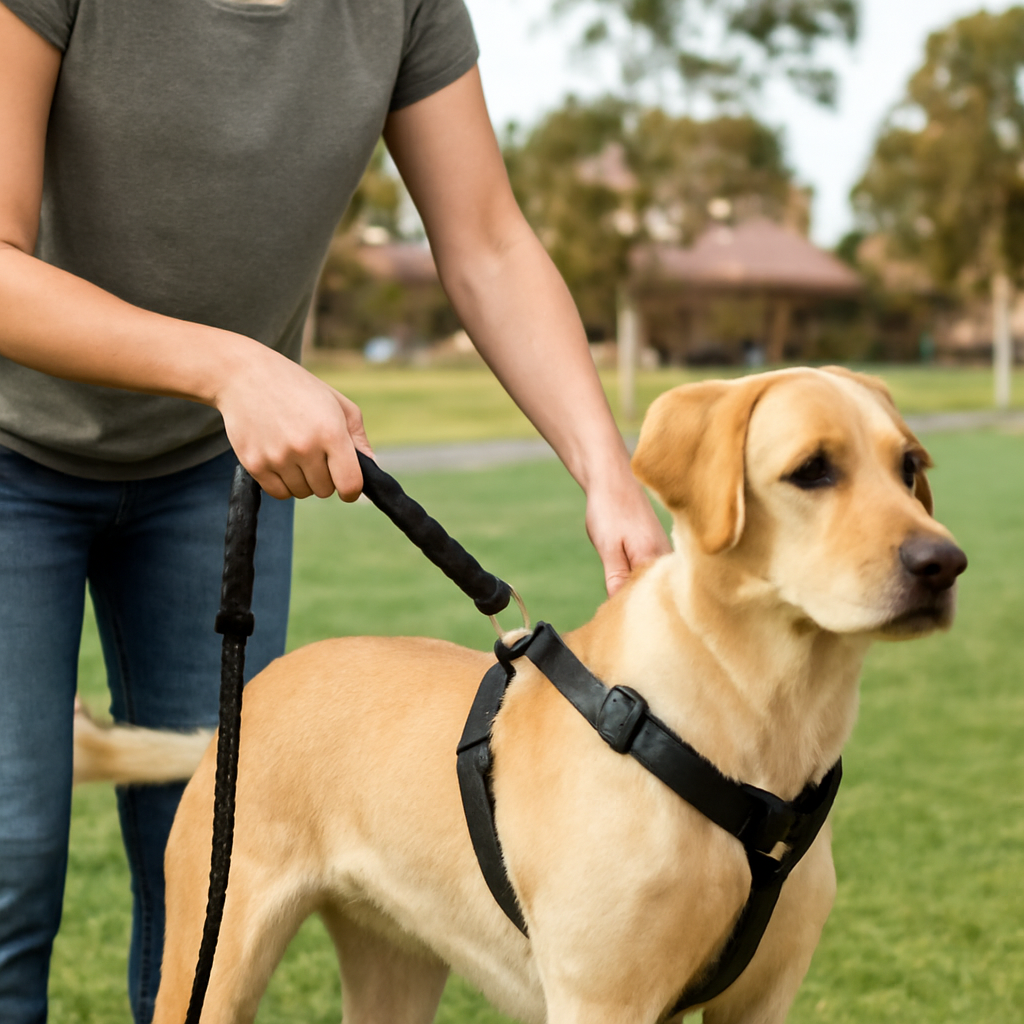
First, grab your dog’s harness – the front‑clip style works best with a bungee because it keeps the pull centered on the chest and prevents twisting. If you’re using a back‑clip harness, you’ll notice a slightly different feel; the leash will tend to pull the dog’s neck, which defeats the whole shock‑absorbing purpose.
Step‑by‑step attachment guide
1. Locate the D‑ring. Most front‑clip harnesses have a sturdy metal D‑ring right on the chest plate. Make sure it’s not warped or loose.
2. Open the leash’s metal clip. If your bungee leash uses a trigger hook, give it a firm pull to open; if it’s a swivel carabiner, twist it open.
3. Thread the D‑ring through the clip. Slide the D‑ring into the opening until you hear a click. The clip should sit flush against the harness – no slack, no wobble.
4. Check the alignment. The leash should run straight from the D‑ring to your hand. If it angles sharply to the side, the dog will feel an uneven pull, and the bungee’s stretch won’t distribute evenly.
5. Secure the tension strap. Many bungee leashes have an adjustable strap that controls how much the core stretches. For a medium‑size Labrador, set it to the middle notch; for a tiny terrier, loosen it a notch; for a strong puller like a Border Collie, tighten it a half‑turn.
Real‑world examples
When Jenna from Melbourne paired a front‑clip harness with her new bungee leash, she noticed the leash stayed aligned during her weekend market strolls. The pull felt like a gentle nudge rather than a sudden jerk, and her wrist stayed pain‑free.
Mike, a first‑time buyer in Sydney, tried the same setup on a back‑clip harness. He reported that his 30‑pound Jack Russell still managed to twist the leash, causing the elastic core to over‑stretch and lose its bounce. Switching to a front‑clip solved the issue in one walk.
Quick sanity check
After clipping, give the leash a firm tug while your dog stands still. You should feel a smooth give – about a third of the leash’s length – then a controlled recoil. If it feels stiff, the clip might be off‑center or the tension strap too tight.
Next, walk a few paces and watch the leash’s angle. It should stay close to a straight line from the D‑ring to your hand. Any sagging or crossing over the dog’s back indicates you need to reposition the clip.
Maintenance tips
Inspect the clip and stitching after each walk. Look for any frayed edges or loosened metal. A worn clip can slip, turning your smooth ride into a sudden snap. If you spot wear, replace the leash – it’s cheaper than treating a strained wrist.
Store the leash out of direct sunlight. UV rays degrade the elastic core over time, reducing that pleasant bounce. A cool, dry drawer works fine; a quick tug every few weeks keeps the core from stiffening.
Need a reliable harness to pair with your bungee leash? Check out our Pets Items collection – we carry front‑clip options that lock securely and stay comfortable for long jogs.
Finally, remember that the right fit isn’t just about size; it’s about how the leash and harness move together as a system. When they’re in harmony, the bungee leash does what it’s meant to do: absorb shocks, protect your joints, and keep your dog’s walk pleasant.
Step 5: Test the Leash on a Calm Walk
Why a calm walk is the perfect proving ground
Before you throw the bungee dog leash into a chaotic park, give it a low‑key stroll where you can actually feel what’s happening. A quiet cul‑de‑sac or an empty neighbourhood street lets you notice the stretch, the recoil and any odd wobble without the distraction of sudden sprints.
Think about the last time you tried a new pair of shoes on a treadmill versus a real trail – the treadmill tells you the fit, the trail shows you how it behaves when the world throws bumps at it. The same idea applies here.
Step‑by‑step test walk
1. Prepare the gear. Clip the bungee leash to the D‑ring of a front‑clip harness, double‑check that the clip is fully closed and the tension strap is set to the middle notch (or a notch lower for a small breed).
2. Choose a calm route. A flat, paved footpath about 100‑150 metres long works well. Avoid steep inclines or busy crossings for this first run.
3. Start with a loose hand. Hold the handle lightly, letting the leash hang naturally. Walk at a relaxed pace and watch the leash’s line. It should stay roughly straight from the D‑ring to your hand, without crossing over the dog’s back.
4. Add a gentle pull. Every few metres, give the leash a soft tug – imagine you’re checking the tension on a bike brake cable. You should feel a smooth give of about one‑third of the leash’s length, then a controlled recoil that’s more “soft spring” than “metal snap”.If the recoil feels harsh, the tension strap is likely too tight; loosen it a half‑turn and try again.
5. Observe the dog’s reaction. A well‑adjusted bungee will let the dog move forward without a sudden yank. If your pup flinches or seems to be fighting the leash, you may have the strap set too loose, causing too much stretch.
Real‑world examples
Jenna from Melbourne, who paired a front‑clip harness with a bungee leash for her Labrador, found that a short, 4‑ft walk around her backyard revealed a slight twist in the clip. By re‑positioning the D‑ring to sit squarely on the chest plate, the bounce became even and her wrist stayed pain‑free.
Mike, a Sydney owner of a feisty Jack Russell, tried the same test on a quiet park path. He noticed a faint “slap” when the dog lunged toward a passing jogger. Turning the tension strap up one notch eliminated the slap, giving a tighter, more predictable recoil.
Tips for different environments
Urban sidewalks. Keep the leash length on the shorter side (3–4 ft). The tighter length reduces the chance of the bungee looping around poles or other pedestrians.
Trail walks. Extend to 5–6 ft so the elastic can absorb sudden bursts up hills or when the dog darts after a rabbit. Remember to check for debris that could snag the cord.
Rainy days. A neoprene‑padded handle helps keep your grip dry, and the bungee’s core stays flexible longer when it isn’t exposed to cold, stiffening.
Quick sanity‑check checklist
- Leash attached to a front‑clip D‑ring, no wobble.
- Elastic core stretches roughly 30 % under a gentle tug.
- Recoil feels smooth, not a hard snap.
- No visible fraying or loosened stitching after the walk.
- Dog walks comfortably; no sudden jerks or signs of fear.
Run through this list after your test walk. If anything feels off, adjust the tension strap, re‑position the clip, or consider swapping out a worn leash before you head to a busier park.
Once the calm walk feels solid, you’ve got a reliable baseline. From there, you can confidently tackle busier streets, jogs or weekend hikes, knowing the bungee dog leash will cushion those inevitable surprise pulls and keep both your wrist and your dog’s neck happy.
Step 6: Maintenance and When to Replace
Alright, you’ve got the bungee dog leash fitted and you’ve taken it for a few calm walks – now it’s time to keep it honest. A leash that looks good but lives a dirty, tired life will lose that smooth give we love, and that’s when tiny injuries start to creep in.
Quick cleaning routine you can actually stick to
First off, give the leash a gentle wipe after every outing, especially if you’ve been through mud, sand or a rainy park. A damp cloth with a bit of mild soap does the trick – no harsh chemicals, no bleach. The Best Pet Facts guide recommends a soft‑bristled brush for stubborn dirt, then a thorough rinse with warm water.
For nylon or polyester cores, you can even toss the leash in the washing machine on a gentle cycle (cold water, mild detergent, mesh bag). Just remember to air‑dry it flat – the dryer’s heat will warp the elastic and shorten its life.
Inspect before you head out – a 5‑minute habit
Every week, run a quick visual scan. Look for these red flags:
- Frayed or thinning webbing on the outer layers.
- Visible cracks or splits in the elastic core.
- Loose stitching around the D‑ring or handle.
- Rust or corrosion on metal clips.
If anything feels off, give it a gentle tug. You should still feel about a 30 % stretch before the leash rebounds. A stiff or overly loose feel means the bounce has faded.
Does your leash feel a little “slap‑y” after a few months? That’s the elastic losing its elasticity – time to think about a replacement.
Real‑world examples that hit close to home
Take Jenna from Melbourne. She kept her bungee leash for six months, using it on city jogs and weekend hikes. After a particularly muddy walk in the Dandenong Ranges, the outer nylon started to peel, and the elastic gave a gritty “snap” instead of a smooth bounce. She washed it, but the core had already developed micro‑tears. She swapped it out and noticed instantly less wrist fatigue.
Mike in Sydney, on the other hand, lives an arvo routine of quick park visits. He inspects his leash every Sunday and spots a tiny rust spot on the metal clasp. He wipes it clean, tightens the clasp, and the leash works perfectly for another year. His secret? A simple weekly check prevents surprise failures.
When to replace – the rule of thumb
There’s no magic number of miles, but most manufacturers suggest a 1‑ to 2‑year lifespan for a well‑maintained bungee leash. If you’re a heavy‑puller owner (think Border Collies or Huskies), you’ll hit the wear line sooner – maybe every 12 months. For smaller, low‑impact pups, you can stretch it to 18‑24 months.
Set a calendar reminder:
- Month 1: Initial inspection after the first few weeks.
- Month 6: Deep clean (machine wash if safe) and full stretch test.
- Month 12: Comprehensive check – if any of the red‑flag items appear, replace.
And if you ever notice an unusual odor, persistent stiffness, or your dog seems to flinch when the leash stretches, that’s a clear sign the elastic has degraded.
Storage tips that actually work
Store the leash in a cool, dry drawer – sunlight is the enemy of rubber. A simple zip‑lock bag keeps dust out, and a light tug every few weeks prevents the core from “freezing” in place.
Pro tip: Hang the leash on a hook with the handle facing down. That way the elastic isn’t compressed for long periods, and you can see any fraying at a glance.
Checklist for a healthy bungee dog leash
- Wipe down after each walk; wash fully weekly if the leash sees mud or sand.
- Inspect for frayed webbing, cracked elastic, loose stitches, and rusted clips.
- Perform a 30 % stretch test – it should rebound smoothly.
- Air‑dry completely before storage; avoid direct sunlight.
- Replace every 12–24 months, or sooner if any red‑flag signs appear.
So, what’s the next move? Grab your leash, give it a quick once‑over, and jot down the date of your inspection. If anything feels off, treat it as a cue to shop for a fresh bungee dog leash – your wrist and your pup will thank you.
Conclusion
By now you’ve seen how a bungee dog leash can turn those sudden lunges into a gentle, controlled give‑and‑take.
Think about the last time your pup spotted a squirrel and you felt that sharp yank. With the right leash, that jolt becomes a soft spring, protecting your wrist and keeping your dog’s neck safe.
We’ve walked through sizing, material choice, proper attachment, a quick test walk, and the upkeep routine that keeps the bounce alive for months.
So, what’s the next step? Grab the leash you already own, give it a firm tug, and note if it rebounds smoothly. If the stretch feels flat or the stitching looks worn, it’s time to swap it out – a fresh bungee costs less than a doctor’s visit for a sore wrist.
Remember, the bungee isn’t a magic fix for training gaps, but it’s a solid tool that makes every walk feel kinder for both of you.
Set a reminder in your calendar for a monthly inspection, store the leash out of direct sun, and you’ll enjoy reliable shock absorption season after season.
Ready to upgrade your walks? A quality bungee dog leash is just a click away on Nina‑Bazaar – because reliable gear shouldn’t break the bank.
FAQ
What is a bungee dog leash and how does it work?
A bungee dog leash is basically a regular leash with an elastic core sandwiched between two layers of webbing. When your dog lunges, the rubber‑based cord stretches up to about a third of the leash length, soaking up the sudden pull. As the tension eases, the core recoils, returning the energy as a gentle give‑back instead of a harsh snap. The result is less strain on your wrist and a softer feel on the dog’s neck.
Is a bungee dog leash safe for all dog sizes?
Safety really comes down to fit and tension. For a tiny terrier you’ll want a shorter leash and a loose‑setting strap so the stretch isn’t too aggressive. A larger, strong‑puller like a Labrador benefits from a longer leash with the tension knob tightened a notch or two. Pair the bungee with a well‑fitted front‑clip harness – that keeps the pull centred on the chest and avoids neck strain. In short, as long as you size the leash and dial the stretch to match your pup, the bungee works safely across the board.
Can I use a bungee leash for training?
A bungee leash isn’t a magic training tool, but it can smooth out the learning curve. The elastic gives you a softer correction when the dog pulls, which helps a beginner understand the difference between a gentle tug and a hard yank. Just remember to pair it with consistent verbal cues and a solid foundation of “heel” and “leave it.” Over‑relying on the bounce can let a stubborn puller coast, so use it as a supplement, not a substitute.
How often should I inspect my bungee leash?
A quick visual check once a week is enough for most owners, but give it a deeper inspection after any muddy hike or after a sudden hard pull. Look for frayed webbing, cracks in the elastic core, and loose stitching around the D‑ring. Give the cord a gentle 30 % stretch test; if it feels stiff or doesn’t bounce back, it’s time for a replacement.
Will a bungee leash work in cold weather?
Cold temperatures can make rubber a little less stretchy, so the bounce may feel a bit firmer on a frosty morning. That’s why many brands use a rubber‑based core with a nylon‑wrap – the outer weave stays flexible even when it’s chilly. If you’re walking in sub‑zero conditions, give the leash a quick tug before you head out; a light warm‑up in your hand helps the elastic regain its give.
Can I use a bungee leash with a harness that has a back‑clip?
You can clip a bungee to a back‑clip harness, but the pull will be centred on the dog’s torso rather than the chest, which can create a slight choking sensation on strong tugs. That’s why we usually recommend a front‑clip harness for the smoothest feel. If a back‑clip is all you have, tighten the tension strap a notch more and keep an eye on any neck rubbing during the first few walks.
What’s the price range for a good quality bungee dog leash?
You don’t need to break the bank – most reliable bungee leashes sit between $15 and $30 AUD. Below $15 you’ll often find thin cords that lose stretch quickly, while anything over $40 usually adds premium features like extra‑wide padding or UV‑protected stitching. For first‑time buyers or budget‑conscious shoppers, aim for the mid‑range; you’ll get a solid core, comfortable handle, and a warranty that lasts a year.


